Sign in to fuzzto save your conversations, follow your research and come back anytime.

State Bank of India (SBI) is an Indian multinational public sector banking and financial services institution. Founded in 1955, SBI operates in four main segments: Treasury, Corporate/Wholesale Banking, Retail Banking, and Other Banking Business. The bank provides a wide range of products and services to individuals, commercial enterprises, large corporates, public bodies, and institutional customers. SBI has the largest banking branch network in India with over 22,542 branches, 76,089 Business Correspondents, and 63,580 ATMs including 11,256 Automated Deposit & Withdrawal Machines. The bank also has an international presence with operations in 30 countries. SBI offers various services including personal banking, corporate banking, international banking, and digital banking solutions. The bank has subsidiaries in insurance, asset management, and other financial services sectors.
In the news

SBI Warns of AI Voice-Cloning Scams as Banking Cyber Risks Rise

SBI, PNB hike home loan rates after RBI repo rate increase

Jeevan Pramaan 2026: SBI pensioners' submission guide

SBI Warns Against 30% Monthly Return Scams with 4 Key Red Flags

SBI Chairman Rules Out Deposit Rate Hikes for 3 Months

ITAT Delhi rules in favour of SBI retiree on leave encashment

SBI Reduces Free ATM Transactions to 5 Monthly for Salary Accounts

SBI Appoints Deepak Kaushik as Bengaluru Circle CGM
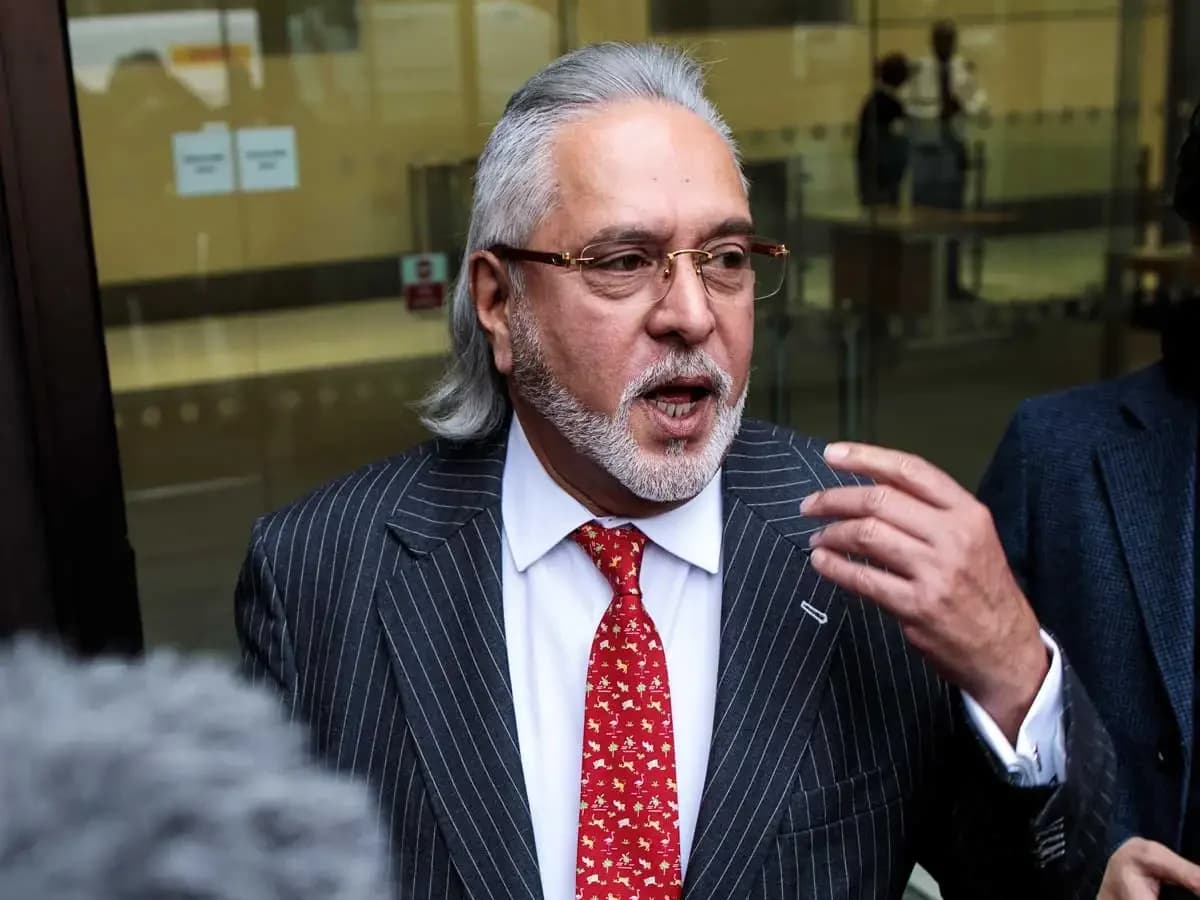
SBI-led lenders claim ₹8,752 crore still recoverable from Mallya
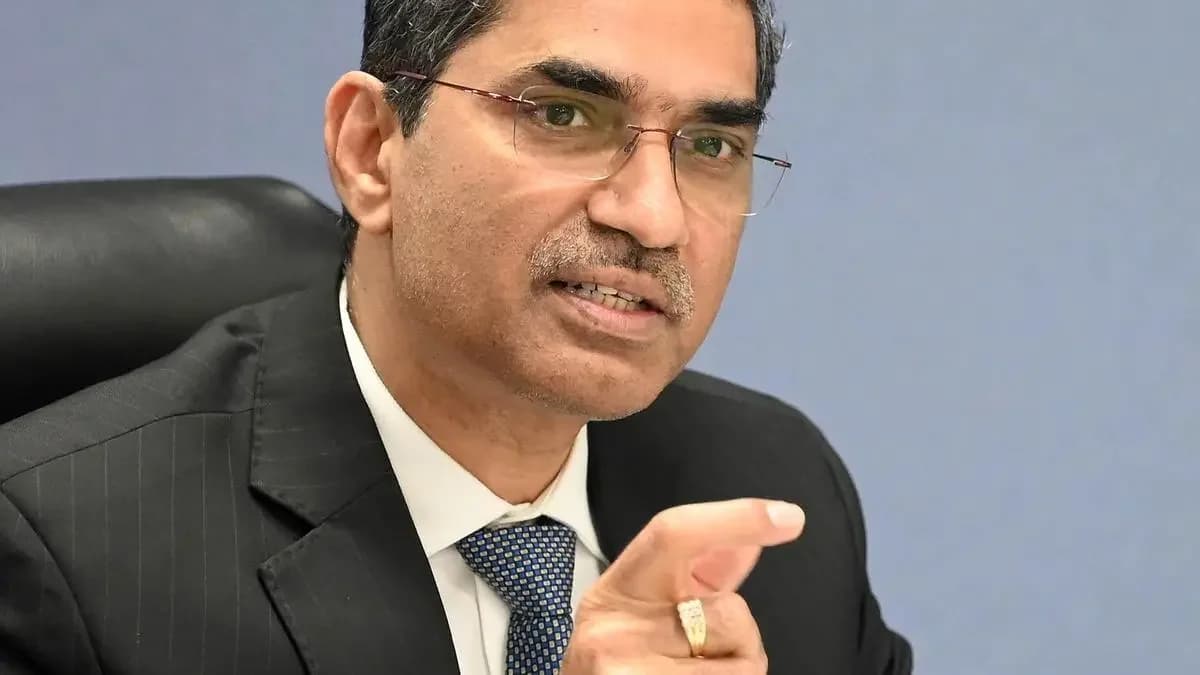
UPI MDR Implementation Begins October 15: Cost Comparison Analysis

SBI seeks clarity on FCRA account handling rules

SBI Chairman Sets ₹200 Trillion Target by 2030, Expands Overseas

Maharashtra drought: 265 talukas hit, ₹36,585 cr farm relief impacts banks

Allahabad HC rules banks can't recover loans from life insurance

Bank strike deferred: SBI, HDFC banks open Oct 29-30

US Treasury Yields Hit 5.23%: Fed Rate Hike Bets Rise to 70%

UPI MDR 2026: Global expansion to 11 countries, MDR applies worldwide

Banks, NBFCs set for strong Q2 growth as RBI clarifies CD ratio concerns
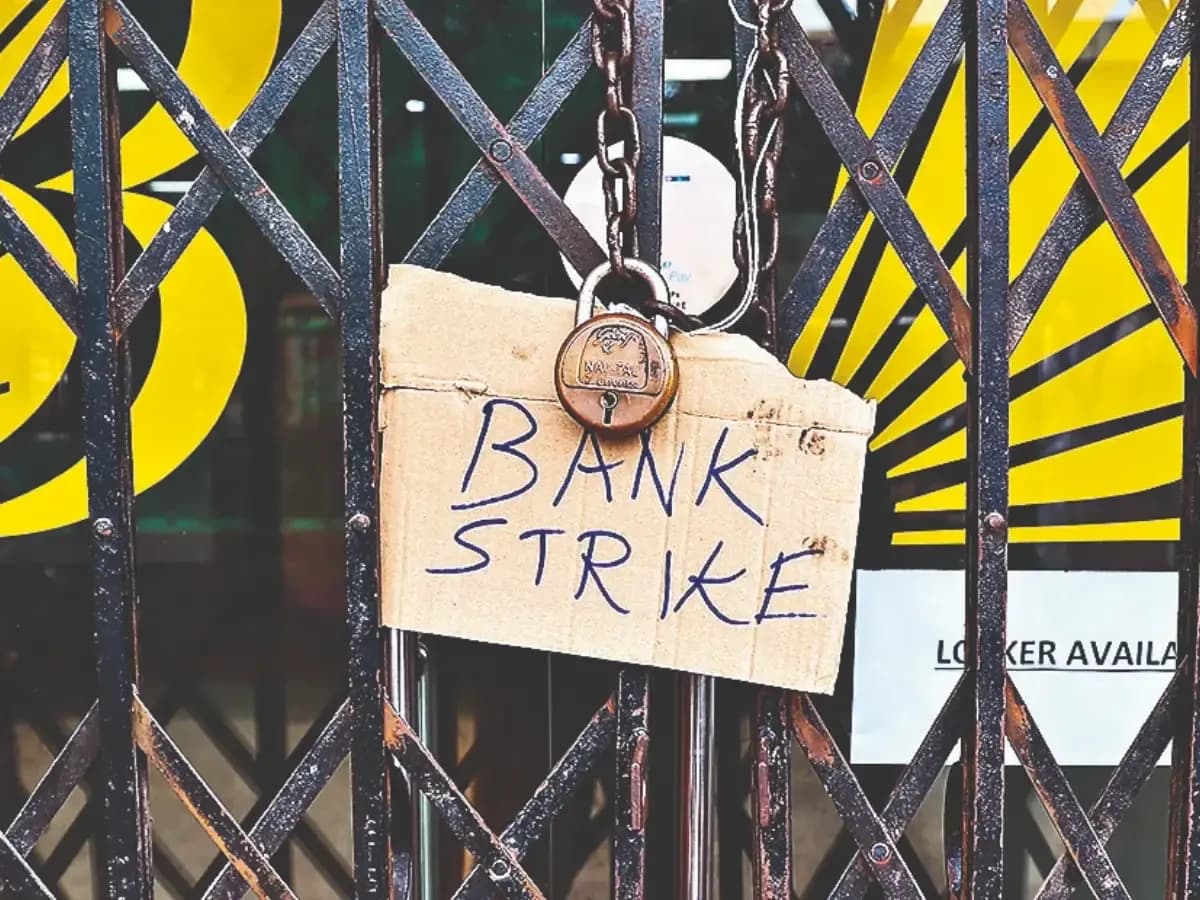
Bank Strike September 28-30: PSBs Open Sunday, Govt Advances Salaries
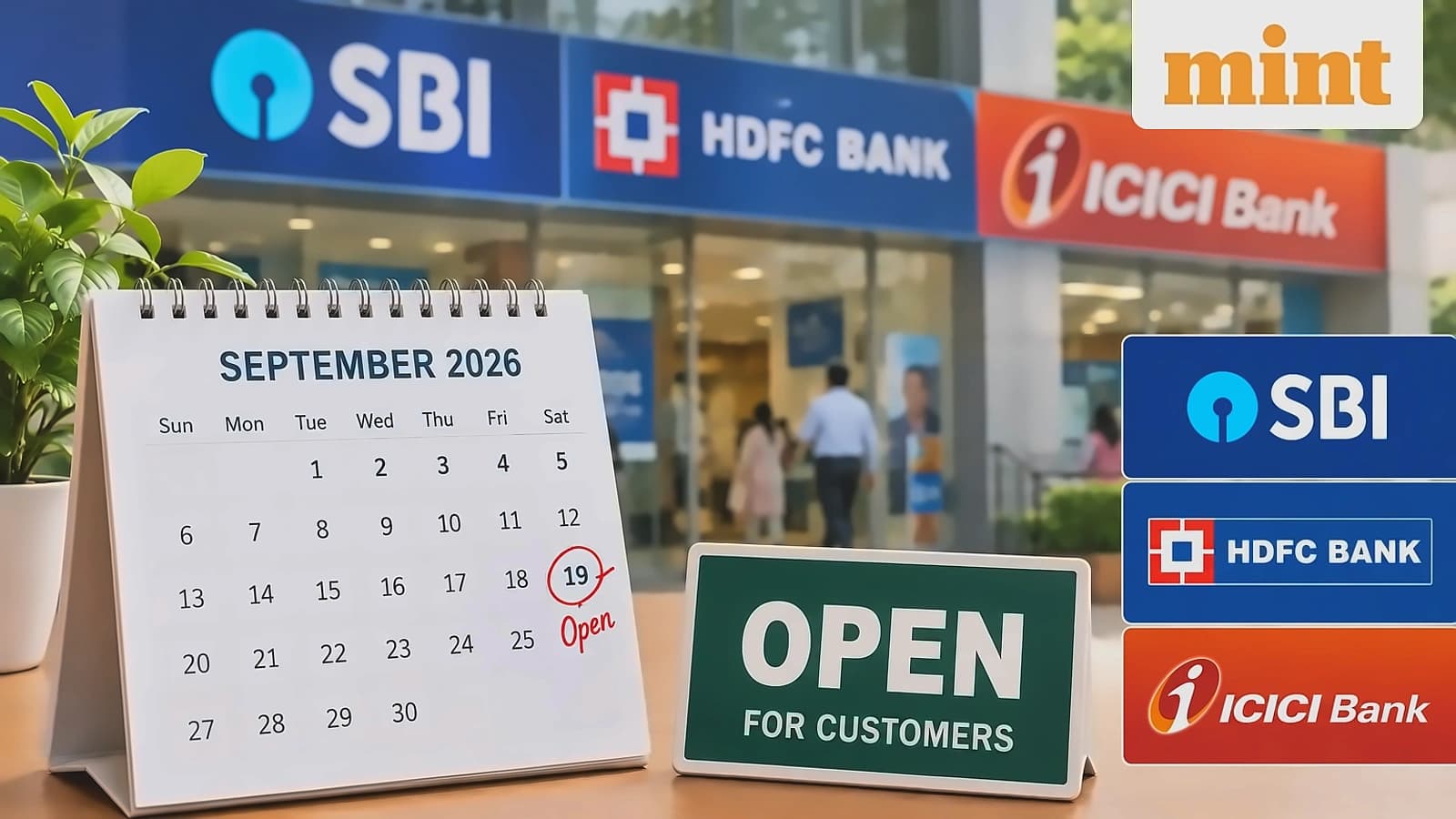
Banks closed 4 days this week (Sep 21-27): SBI, HDFC, ICICI affected
The Quarter story
The two most recent quarterly results, compared side-by-side.
SBI sustains strong credit growth and funding efficiency, though digital engagement and capital buffers need monitoring.
Domestic advances grew from ₹36,19,671 Cr to ₹42,76,648 Cr from Q1 FY26 to Q1 FY27 — fueling core lending expansion.
Active internet banking customers dropped from 14.8 Mn to 12.6 Mn from Q3 FY26 to Q1 FY27 — signaling declining digital engagement.
CASA deposits increased from ₹20,68,527 Cr to ₹22,60,926 Cr from Q1 FY26 to Q1 FY27 — lowering overall funding costs.
AT-1 ratio fell from 1.35% to 1.01% from Q1 FY26 to Q1 FY27 — indicating erosion in the regulatory capital buffer.
Credit cost declined from 0.47% to 0.27% from Q1 FY26 to Q1 FY27 — reflecting disciplined underwriting and recovery.
Consolidated gross NPA ratio rebounded from 0.15% to 1.48% from Q3 FY26 to Q1 FY27 — requiring closer asset quality monitoring.
Retail personal banking advances expanded from ₹15,39,878 Cr to ₹17,73,147 Cr from Q1 FY26 to Q1 FY27 — capturing steady consumer demand.
SBI Funds Management market share slipped from 15.80% to 15.12% from Q1 FY26 to Q1 FY27 — losing ground to competing asset managers.
SBI Life assets under management rose from ₹4,75,813 Cr to ₹5,24,850 Cr from Q1 FY26 to Q1 FY27 — strengthening the insurance franchise.
Treasury modified duration extended from 2.27 years to 2.78 years from Q1 FY26 to Q1 FY27 — increasing sensitivity to interest rate shifts.
Company insights, generated from the most recent coverage.
DRTs are designed for 6-month resolution but actually take 2+ years — only 33 DRTs and 5 DRATs nationally, plus a 25% deposit to appeal — which is why the Mallya case has dragged in DRT since 2013.
The consortium's ~81% recovery on Mallya is exceptionally high for a wilful-defaulter case, which is the core justification for keeping the exposure alive rather than writing off the residual.
Pursuing the ₹8,752 Cr Mallya residual carries a real capital cost — if redeployed at 8-10% returns it could generate ~₹700-875 Cr annually, so continued pursuit must clear this opportunity-cost hurdle, not just legal fees.