The United Forum of Bank Unions (UFBU) has agreed to defer its proposed three-day strike from September 28-30 following successful negotiations with the Indian Banks' Association (IBA). According to Mint, banks across India remained open today, on Monday, 28 September after the Indian Banks' Association (IBA) and the United Forum of Bank Unions (UFBU) reached an understanding on Sunday night, September 27. The UFBU's proposed 3-day strike — originally scheduled from 28-30 September, has thus now been deferred. In a circular issued on Sunday, the UFBU announced that "In view of the above, it was agreed by the UFBU that the proposed agitational programmes and strike actions will be deferred." UFBU key negotiator C.H. Venkatachalam confirmed that "On five-day banking, the IBA has agreed to form a high-level committee comprising representatives of the IBA and the united forum. The committee will work towards finding a solution to our demand for implementation of five-day banking and will discuss the matter with all the stakeholders." The precise terms and modalities of the understanding reached between the two sides were yet to be formally disclosed, with the breakthrough coming just hours before the proposed strike was scheduled to begin. As per The Times of India, bank unions on Sunday called off their planned three-day nationwide strike after the Indian Banks' Association (IBA) gave assurances on their key demands, including the long-pending demand for a five-day working week. Had this understanding between bank managements and bank unions not been reached in a late evening meeting on September 27 (Sunday), branches of public sector banks (PSBs), regional rural banks (RRBs) and old generation private sector banks across the country would have been closed for three-days (from September 28 to September 30), causing inconvenience to the public.
The most significant breakthrough came with both sides agreeing to form a high-level committee to examine the issue of declaring the remaining Saturdays as holidays. As per Mint, a high-level committee of both bodies has been formed to deliberate on the issue, explore all possible alternatives, discuss with all stakeholders, and work out a solution acceptable to all, including the customers. According to The Hindu BusinessLine, "Today (September 27th) at 9:30 pm there was a meeting between IBA and UFBU After due deliberations, it was decided that a high-level committee of IBA and UFBU will be formed immediately to deliberate on the issue of declaring the remaining Saturdays as holidays. This committee will explore, all possible alternatives; discuss with all the stakeholders, and work out a solution acceptable to all the stakeholders and, more importantly, the customers," the UFBU stated. According to The Times of India, "A high-level committee of the IBA and UFBU will be formed immediately to deliberate on the issue of declaring the remaining Saturdays as holidays. This committee will explore all possible alternatives, discuss with all the stakeholders, and work out a solution acceptable to all the stakeholders, more importantly, the customers," the UFBU stated. According to Mint, the committee will explore all possible alternatives, discuss with all stakeholders, and work towards a solution while keeping customers' interests in mind. The committee is mandated to examine all possible alternatives, engage with all stakeholders and work towards a solution at the earliest, as noted in the UFBU statement. The committee will examine possible alternatives, consult stakeholders and work towards a solution while keeping customers' interests in mind, as noted in the UFBU circular. As regards the PLI scheme for Scale IV and above officers, the discussions can start with the IBA to propose modifications in the scheme to the government to address the observations of the unions/associations, the UFBU added. The outstanding matters enumerated in the minutes dated March 8, 2024, shall be subject to deliberation among all parties to facilitate prompt resolution, as noted in the UFBU statement.
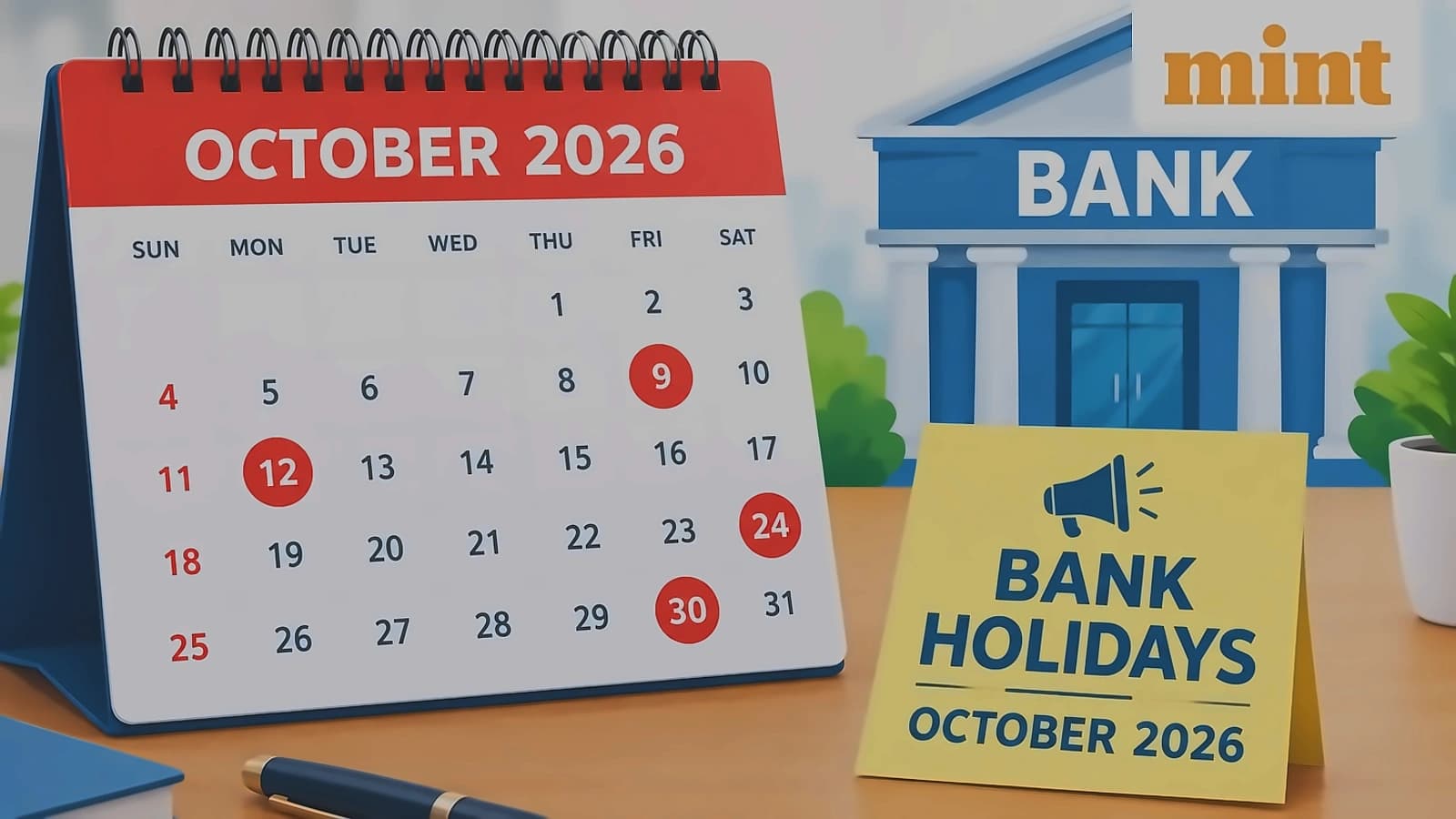
With the strike deferred, public sector banks such as the State Bank of India (SBI), Canara Bank, Punjab National Bank (PNB) and other PSBs will remain open this week on Tuesday and Wednesday, 29-30 September. According to Mint, further, private sector banks such as HDFC Bank, ICICI Bank, Yes Bank and Axis Bank among others will also remain operational throughout the week, with usual working hours for customers. The strike being deferred was notified in a UFBU circular on Sunday, which said the union met and had discussions with the IBA. Since the strike has been deferred, customers are expected to be able to access regular branch services this week. With the proposed September 28-30 bank strike now deferred, branches of State Bank of India (SBI) are expected to operate normally on Monday, September 28, instead of being affected by the proposed strike. All state-run and private lenders will function as per normal working hours on Monday following the deferment of the strike. With the proposed September 28-30 bank strike now deferred, customers would be able to access regular branch services from Monday, September 28. The timing also coincides with September 30, the half-yearly closing day for banks, when lenders typically carry out reconciliation, settlements and other financial work, which could add to the pressure on branch operations. After the strike was called off, banks will remain open for five days this week, since 2 October is a gazetted holiday for Gandhi Jayanti.
Online financial services will not be impacted by the bank strike as they work round the clock, whether banks are operational or not. According to Mint, individuals can continue to use UPI or their respective bank's app to make payments and receive money. Digital wallets will also continue to work as usual, with services temporarily unavailable only if a bank takes them offline for scheduled maintenance. Customers can continue making scheduled payments without visiting a bank branch during the strike period. ATMs and Automated Deposit and Withdrawal Machines (ADWMs) will also remain available for customers who need cash, with ATMs continuing to operate round the clock subject to cash availability and scheduled maintenance activities. RTGS services will remain available 24x7x365, including bank holidays, allowing customers to transfer funds electronically. SBI has advised customers to use Customer Service Points (CSPs) and prefer Internet Banking, YONO, Mobile Banking, UPI & other digital channels during the strike period. A bank holiday or branch closure does not mean that all banking services will stop, as digital and online banking facilities, including net banking, UPI, mobile banking apps and ATMs, will continue to function normally, allowing customers to carry out essential transactions. Since the all-India bank strike has been postponed, private, public and all-regional banks are operational as usual. Customers can carry out transactions through regular branch operations, though they should check their respective bank's communication for any changes.
The unions said that employees who worked on Sunday, September 27, when banks were kept open following RBI's directions, would receive compensation. According to Mint, workmen employees would be paid overtime wages at double the rate under the bipartite settlement, while officers who attended office would receive one day's wage. The UFBU stated that employees who worked on Sunday would receive compensation as per the bipartite settlement. The UFBU said it would monitor implementation of the commitments and review its organisational action based on progress within a time-bound process. The unions said that the deferment does not mean withdrawal of their demands and will monitor progress before deciding on further action. The proposed memorandum of understanding (MoU) on five-day banking provides for the immediate constitution of a high-level committee comprising representatives of the Indian Banks' Association (IBA) and UFBU to examine the issue of declaring the remaining Saturdays as holidays. The UFBU has made it clear that the deferment is linked to the commitments recorded in the proposed MoU and is not a withdrawal of its demands.