The Maharashtra government on Saturday declared 265 of the 358 talukas in the state as drought-affected, covering 74 per cent of the state. According to a government resolution issued on September 26, 2026, this decision follows Chief Minister Devendra Fadnavis's recent visit to drought-affected parts of the state. The state government has activated 'Trigger-1' under its manual for drought management 2016 (updated in 2020) and Drought Management Code to declare drought conditions and initiate relief measures. As per PTI, the declaration follows the state's drought management manual, which triggers when a region records a rainfall deficit exceeding 25% combined with a continuous dry spell of at least 21 days during the monsoon.
As reported by the state government, Maharashtra recorded an 18.8 per cent rainfall deficit, receiving actual rainfall of 755.9 mm from June to September 18 compared to its average of 932.3 mm, amid the El Nino phenomenon. The Chhatrapati Sambhajinagar division recorded the highest deficit at 30.8 per cent with 424.5 mm rainfall against normal expected rainfall of 613.1 mm. At least six districts recorded a rainfall deficit of 40-50 per cent, including Amravati, Solapur and Latur. The Pune and Nashik divisions also recorded around a 30 per cent rain deficit, while the Amravati and Nagpur divisions recorded a 27 per cent rain deficit. According to the latest government data, Chhatrapati Sambhajinagar division has the highest number of 74 drought-affected talukas, followed by Amravati with 56, Nashik with 49, Nagpur with 39, Pune with 35 and Thane with 12 talukas.
Maharashtra has initiated the implementation of a ₹36,585 crore farm loan waiver scheme covering approximately 56 lakh farmers, with the scope set to expand following Chief Minister Devendra Fadnavis's statement on September 24. In July, the state government announced that ₹13,000 crore would be credited to around 17 lakh farmers in the first phase, extending relief to farmers who were excluded from the 2016–17 waiver. This comprehensive relief package includes a full waiver of land revenue for affected farmers and concessions on electricity bills for agricultural pumps, which could further reduce state revenue collections. The government has also announced restructuring of crop loans and a stay on recovery of agriculture-related loans, creating significant implications for financial institutions dependent on agricultural lending.
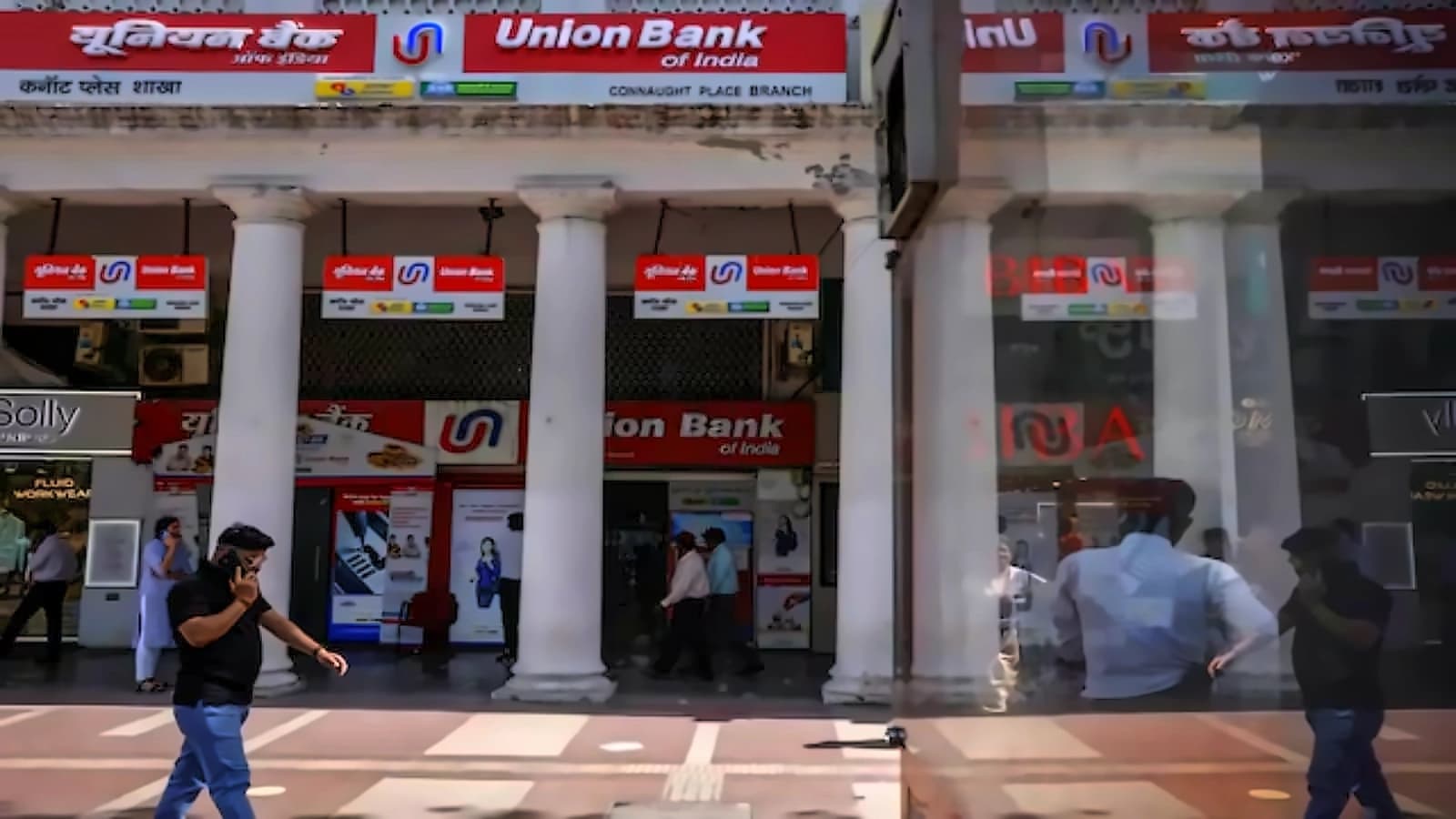
The drought relief measures create varying financial impacts across different banking institutions based on their geographic concentration and existing asset quality profiles. State Bank of India has the largest absolute stressed pool in Maharashtra with ₹7,819 crore in NPAs, representing approximately 8% of its national agricultural portfolio. Bank of Maharashtra holds the largest agricultural exposure at ₹27,422 crore, with agriculture accounting for 65% of its total ₹42,290 crore agricultural book. Bank of India has the highest absolute agricultural NPAs at ₹3,487 crore, while Union Bank of India shows 27% state agricultural NPA ratio. Private lenders including HDFC, ICICI, and Axis maintain lower agricultural NPA ratios of 2%-4%, though they have substantial agricultural loan volumes. The government's direct cash injection mechanism for state debt waivers involves banks recording cash recoveries, reducing agricultural NPAs, and releasing corresponding loan provisions, with amounts from previously written-off accounts contributing directly to net profit.

The drought-related relief measures could significantly impact agricultural credit availability during upcoming seasons. Following the 2017 program's ₹34,000 crore relief, ₹18,062 crore out of ₹43,074 crore in pending farm credit was waived by February 2019, with disbursements reaching ₹18,761 crore across 44.4 lakh farmers by August 2019. However, a report presented to the Legislative Assembly in February 2026 indicated that 6.56 lakh eligible beneficiaries from the 2017 scheme had yet to receive settlements. Fresh agricultural lending has already decelerated, with banks disbursing ₹43,044 crore against an agricultural credit target of ₹87,322 crore in FY20, down from ₹67,914 crore disbursed in FY19. The upcoming Kharif and Rabi seasons remain critical metrics for regional agricultural credit availability, as successive debt waivers frequently coincide with delayed borrower repayments and heightened risk aversion among lenders prior to account settlement.