Sign in to fuzzto save your conversations, follow your research and come back anytime.

Tata Steel is one of the world's largest steel companies with a global annual crude steel production capacity of 34 million tonnes. It operates manufacturing units in 26 countries and has a commercial presence in over 50 countries. The company is involved in the entire steel manufacturing value chain from mining iron ore and coal to producing and distributing finished steel products. Its main operations are in India, Europe and South East Asia. Tata Steel produces a wide range of steel products including hot rolled, cold rolled, coated steel, rebars, wire rods, tubes and wires. The company has introduced several branded steel products and is engaged in various other related businesses like mining, equipment manufacturing, and production of ferro alloys and refractories. Over the years, Tata Steel has expanded through acquisitions, joint ventures and capacity expansions at its plants. It has also invested in research and development to launch new steel products for various industries.
In the news
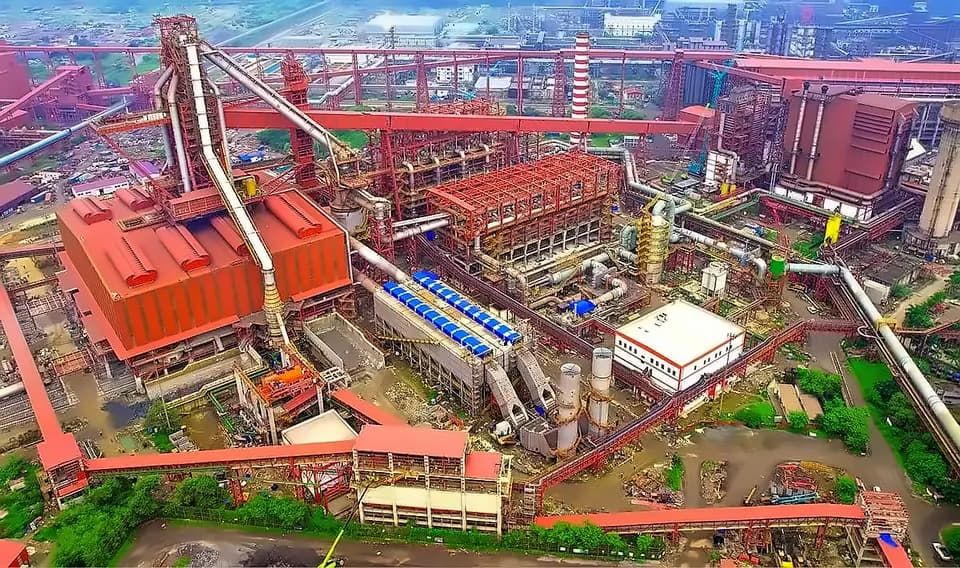
Tata Steel commissions ₹9,067 cr facilities at Kalinganagar plant
Tata Steel Q2 FY27 results to be announced on Oct 27
Policy, Profit and Power: How India Inc Is Navigating Change
India targets 604M ton steel capacity by 2047 with clean tech focus
Tata Steel Q2 update: Production up 10% YoY, shares down 1.71%
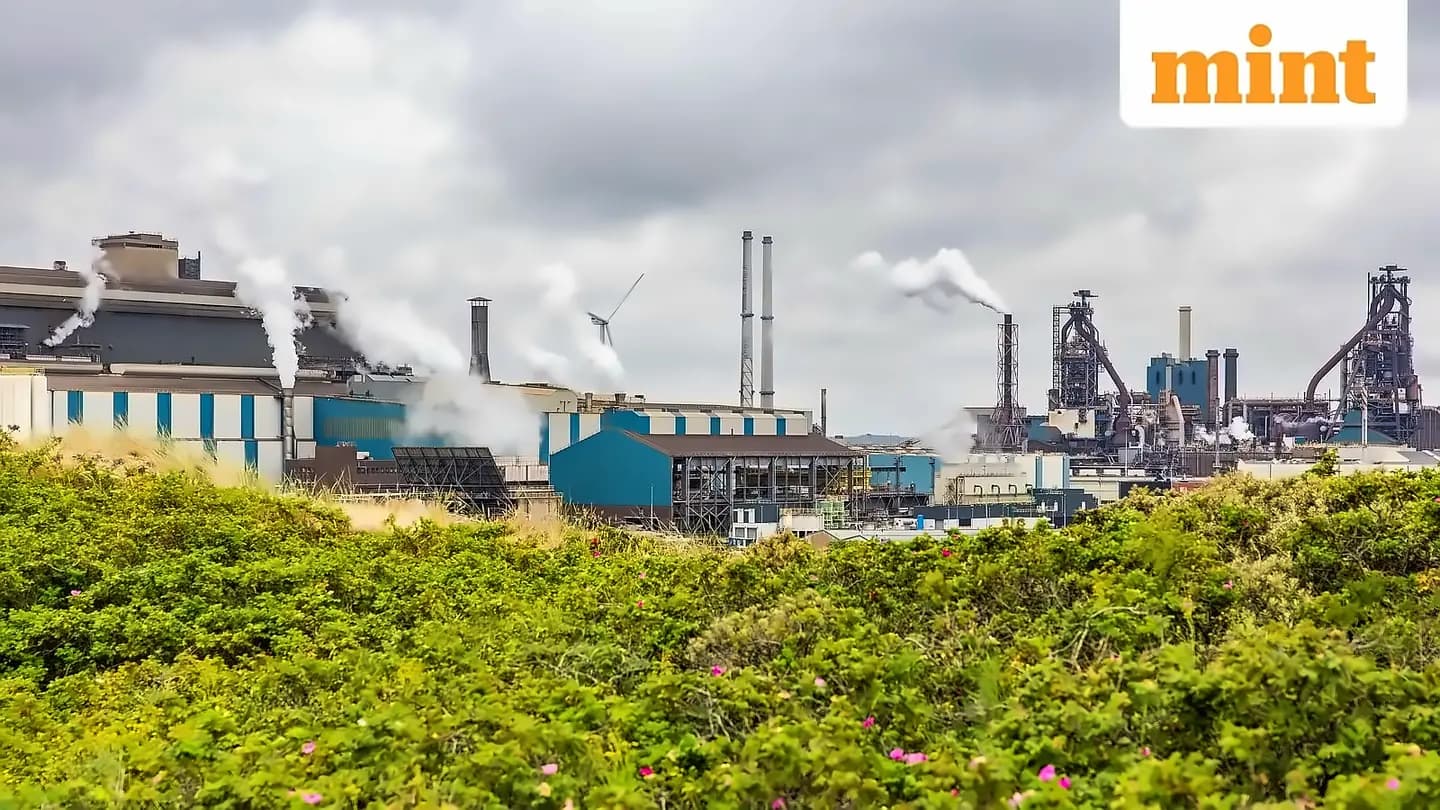
Tata Steel advances cleaner steelmaking with Hisarna technology
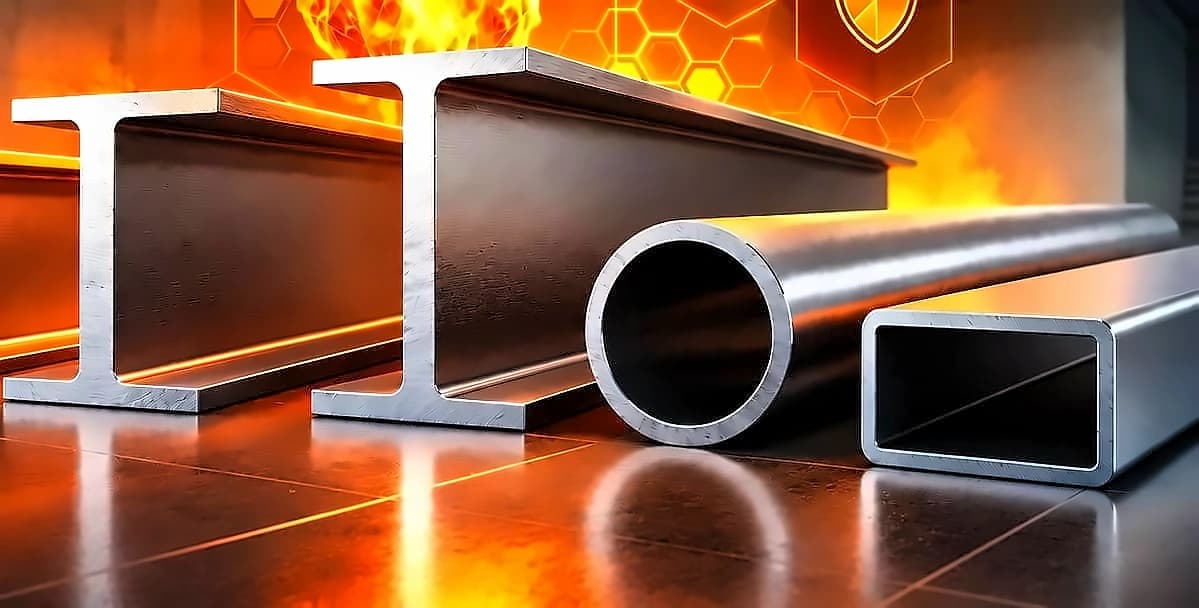
Tata Steel launches fire-resistant E350 steel for safer buildings
Tata Steel's Strategic Restructuring: Merger Wins and Tax Relief
Steel sector eyes stronger quarters as domestic demand grows 8-10%

20 stocks in focus: Tata Steel, KPI Green, Inox Green, Urban Company

Tata Steel tax dispute reduced to ₹1,259 crore after ITAT relief
Steel prices hit import parity boosting Tata Steel, JSW Steel stocks

Stocks in Focus: Coal India, Aurobindo Pharma, Coforge, HCL Tech
Tata Steel extends Dutch green steel project JLoI to 2027
5 Stocks Show Consistent Score Improvement with 22% Upside Potential
Calcutta HC blocks ₹2,970 cr SDF loan fund utilization for Tata Steel
India outpaces China in steel growth: Tata Steel, JSW Steel lead surge
Tata Steel scales AI safety systems, cuts ESC spending
Copper Hits 3-Week Low Despite Supply Shortage as AI Demand Rises
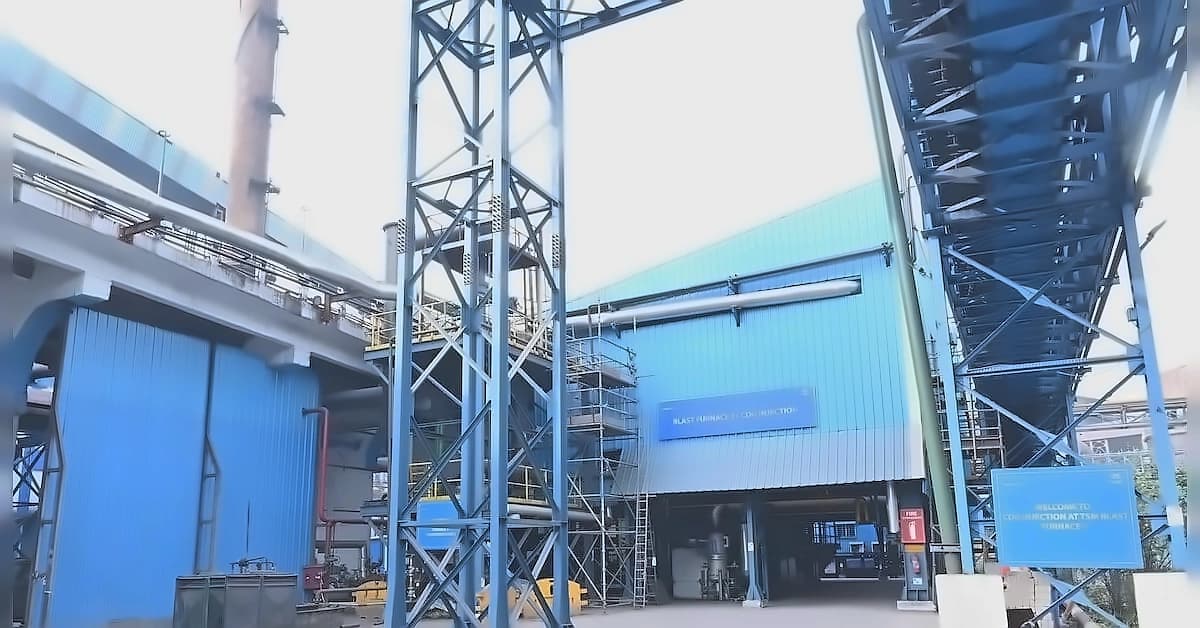
Tata Steel commissions India's first COG injection project
The Quarter story
The two most recent quarterly results, compared side-by-side.
India operations drive strong margins and cash flow, while European restructuring weighs on consolidated volumes and profits.
India EBITDA margin expanded from 23% in Q3 FY26 to 27% in Q1 FY27, confirming strong domestic pricing power.
Consolidated EBITDA fell from ₹9,439 Cr in Q4 FY26 to -₹341 Cr in Q1 FY27, weighed down by European restructuring.
India EBITDA per ton rose from ₹13,735 in Q3 FY26 to ₹19,162 in Q1 FY27, highlighting exceptional unit economics.
Netherlands EBITDA dropped from €916 Mn in Q2 FY26 to €4 Mn in Q1 FY27, reflecting severe European margin erosion.
Net debt to EBITDA improved from 3.21x in Q1 FY26 to 2.29x in Q1 FY27, reflecting successful deleveraging.
UK revenue contracted from £6,096 Mn in Q1 FY26 to £484 Mn in Q1 FY27, indicating a major market exit.
Group liquidity grew from ₹44,062 Cr in Q3 FY26 to ₹45,950 Cr in Q1 FY27, ensuring strong financial flexibility.
Fatalities spiked to 6 in Q4 FY26 before easing to 3 in Q1 FY27, highlighting ongoing safety concerns.
Automotive deliveries recovered from 0.9 MT in Q3 FY26 to 1.3 MT in Q1 FY27, signaling stabilizing demand.
Consolidated deliveries declined from 8.21 MT in Q3 FY26 to 0.48 MT in Q1 FY27, indicating severe volume contraction.
Company insights, generated from the most recent coverage.
Management flags an effective tax of about 65% on raw materials and says every producer is buying iron ore at high premiums — Tata Steel's ore advantage is cyclical, not structural.
Tata Steel's expansion is skewed toward long products — ₹33,873 crore approved for 4.8 MTPA of wire rods and rebars at NINL — which are commodity-like and dilute the value-added mix the steel policy pushes.
Tata Steel has the largest product-mix headroom of the three large makers — value-added gains hinge on downstream execution, including converting about 2 MT of UK slabs into higher-priced plates.