Tata Steel, the Dutch government and the Province of North Holland have agreed to extend the Joint Letter of Intent (JLoI) for the Green Steel Project until March 1, 2027. According to Business Standard, the five-month extension will provide the parties with additional time to address a number of outstanding matters and work towards a realistic approach to the integrated health and decarbonisation project. The shared ambition remains unchanged, with the extension allowing the parties to address recently changed circumstances and topics necessary to reach a final tailor-made agreement and come to a final investment decision. A non-binding JLoI had been signed between Tata Steel, the Dutch government and the province of North Holland in September 2025 with a potential state backing up to 2 billion euros.
The 3.2 million tonne electric arc furnace project is being constructed at an investment of ₹1.25 billion pounds (approximately ₹10,000 crore). According to PTI reports, Narendran confirmed there is no delay from Tata Steel in the construction of this project. The company had previously indicated that it expects to secure access to electricity for the EAF by 2029. In May 2024, Tata Steel signed a connection offer with the Electricity System Operator (ESO), with National Grid building new electrical infrastructure capable of powering the furnace by the end of 2027. The project is being built with ₹500 million pounds of government support from the £500 million grant approved in 2023. However, the fresh approach and funding request indicate that the original funding envelope may no longer be enough to absorb the impact of delays and rising costs.
The project, which is being built with ₹500 million pounds of government support, aims to reduce site-level CO2 emissions by 90 per cent - equivalent to 5 million tonnes annually. As reported by PTI, Narendran emphasized that the project represents a significant environmental initiative in the steel sector. The furnace is designed to process scrap steel, contributing to more sustainable steel production methods. The project is intended to secure a long-term future for steelmaking in Britain while lowering emissions, but the economics have worsened as the timeline slipped and commissioning dates have been pushed back.
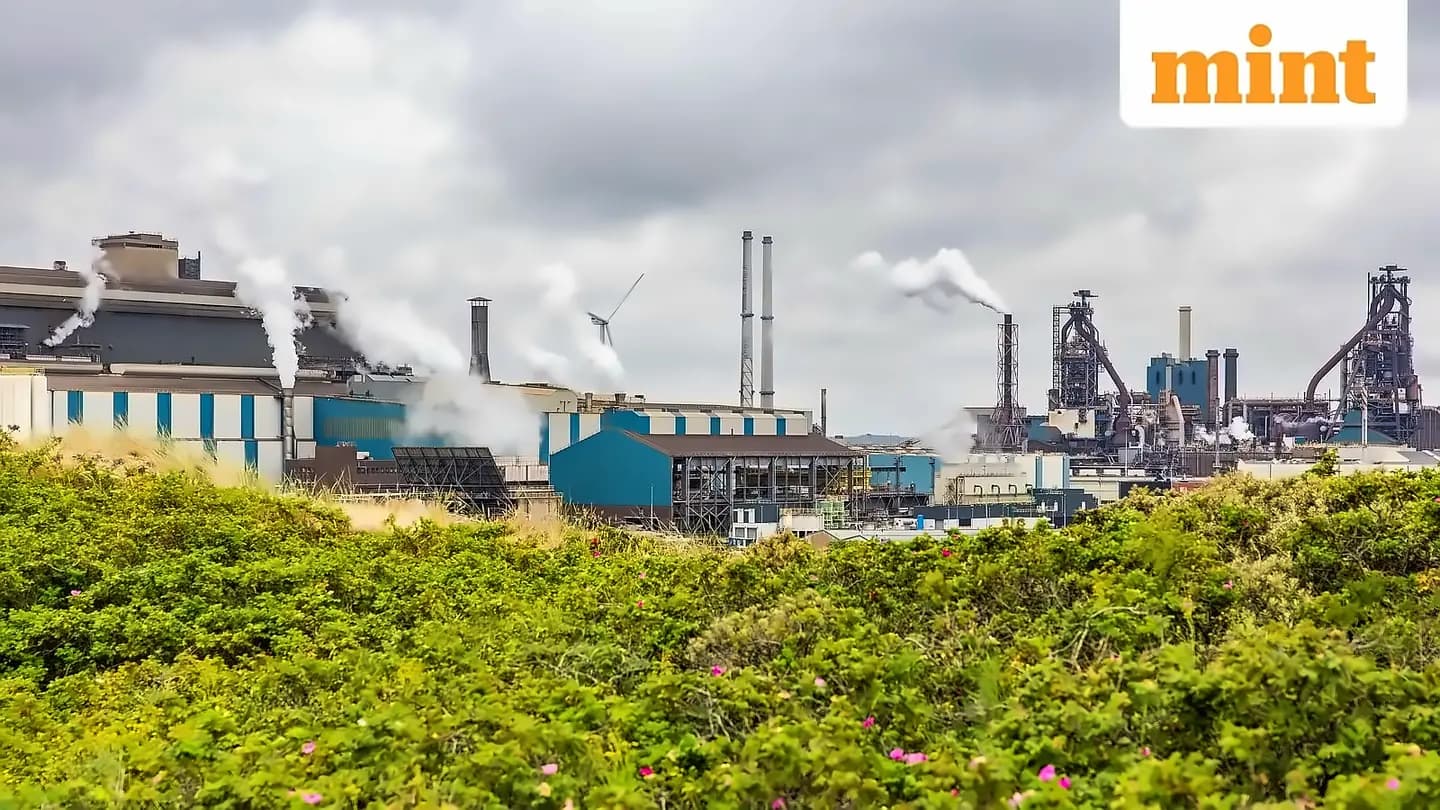
Tata Steel Nederland is engaging with the Province of North Holland and the Environmental Agency for exploring options for the safe, responsible and controlled closure of both its coke and gas plants. According to Business Standard, the Dutch regulatory framework governing the production, storage and transportation of steel slag has become increasingly complex, with implications for steelmaking given. The company stated that a sustainable and workable solution is therefore required to provide the regulatory certainty and clarity needed to support future investment decisions. The plants are part of the existing steelmaking operations, making their closure an important consideration in the transition to cleaner production. Dutch public prosecutors have earlier summoned executives of Tata Steel's Netherlands arm over a case of "intentional and unlawful" pollution, nearly four years after the country first started a probe to ascertain if the steel maker's business was a danger to residents in Holland.
As the basic engineering phase approaches completion, Tata Steel Nederland is working on optimisation and prioritisation on the spending and execution of the Green Steel Project, including on account of changed circumstances. According to Business Standard, key permitting procedures have been initiated, including the wind barrier, coverages and the Green Steel Project installations. The company is also implementing its cultural transformation programme, improving management, governance and compliance functions. Regarding potential fresh funding from the UK government, Narendran indicated that it is too early to say where the company is in terms of seeking additional support, noting there is a conversation to share with the government regarding concerns about the project delays. The project's objective remains unchanged: to make steel production at IJmuiden cleaner, healthier and more sustainable while protecting the economic importance of steelmaking in the Netherlands and improving the living environment around the plant.