A consolidated view of market events, assembled from diverse sources.

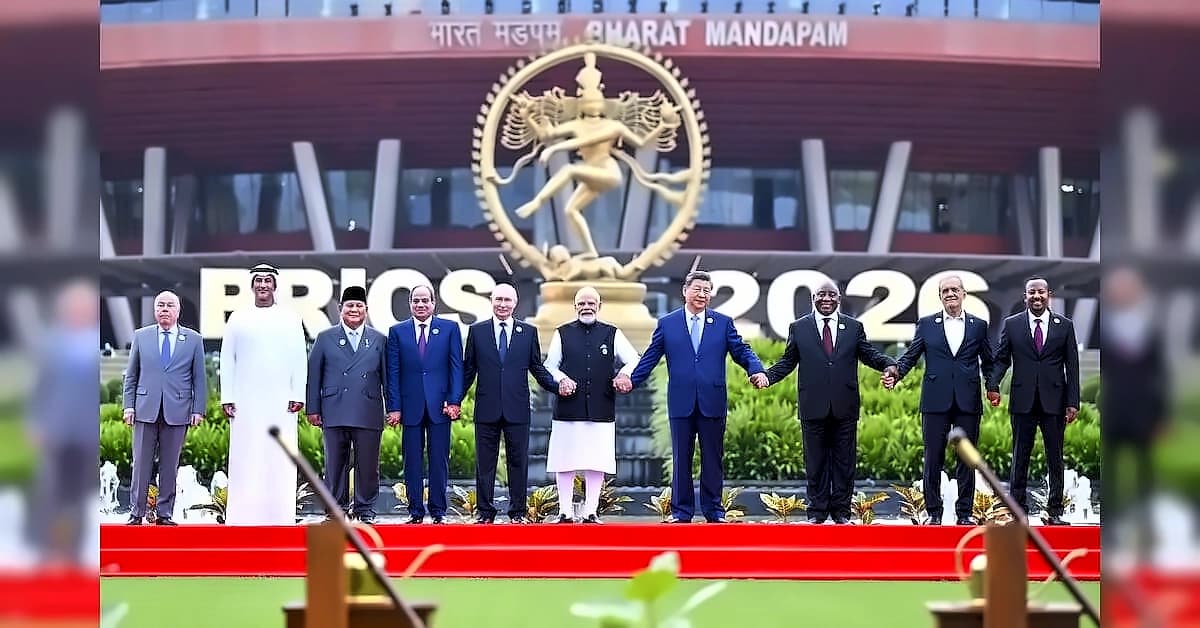
The Federation of Indian Micro, Small and Medium Enterprises (FISME) has called for practical implementation of the New Delhi Declaration adopted at the 18th Brics Summit to enable MSMEs access to trade finance, technology, and overseas markets. The organization proposes creating interoperable mechanisms for MSME trade finance, reducing cross-border transaction costs, and establishing a Brics SME Forum with annual implementation scorecards to track progress in MSME cooperation.
Uttar Pradesh has launched the ₹50 crore Footwear, Leather and Non-Leather Sector Development Policy 2025, offering comprehensive financial incentives including 20-35% capital subsidies, land grants, and research support to boost the state's footwear manufacturing sector. The policy covers leather footwear, non-leather products, and allied industries with investment thresholds ranging from ₹50-150 crore for standalone units to ₹200+ crore for clusters, targeting employment generation and export competitiveness.
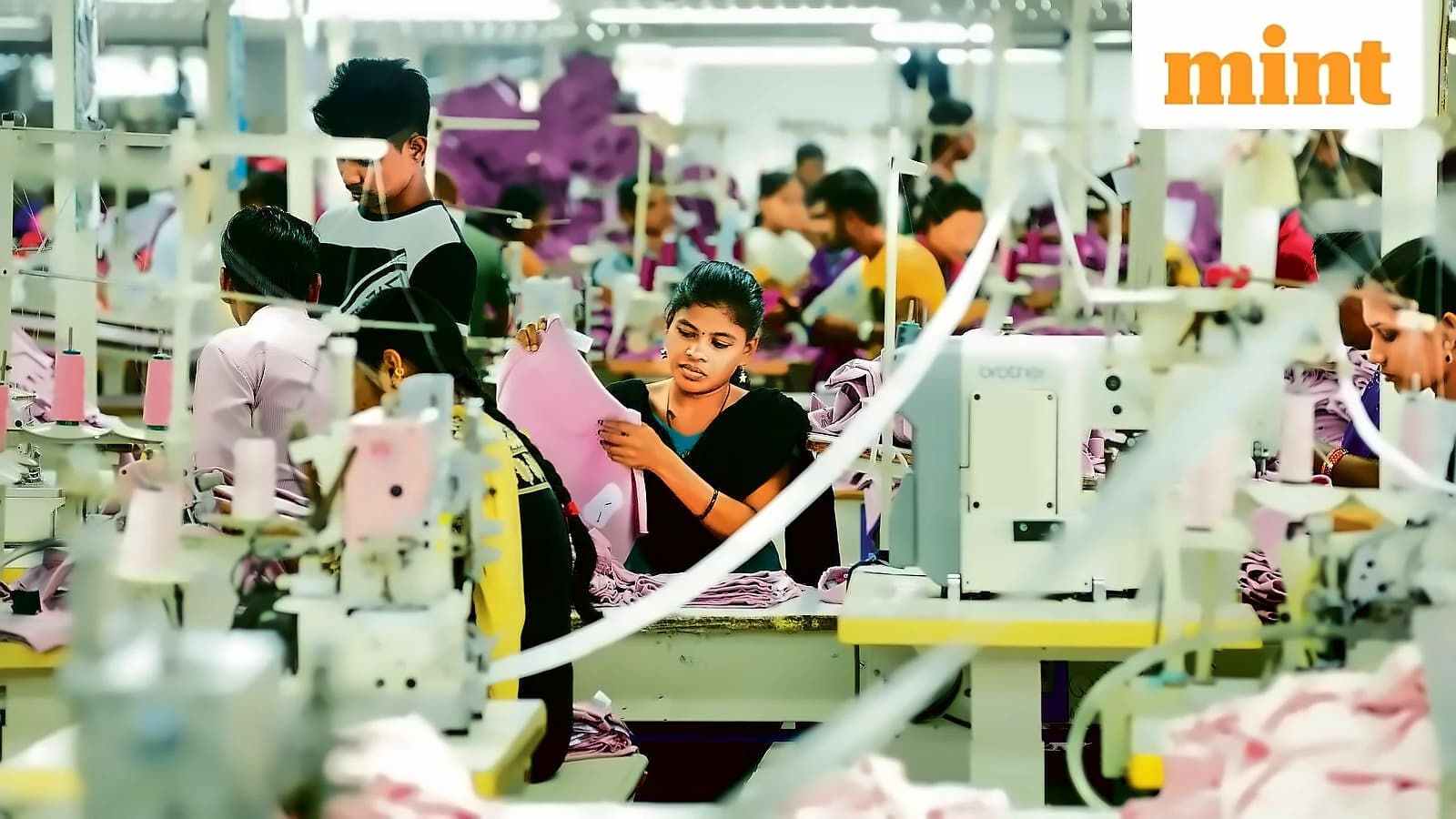
A Bain & Company-NPCI report reveals India's MSME sector faces a ₹60 trillion formal credit gap, with only 30-40% of debt demand currently met. The study proposes a centralized digital layer to bridge this gap by connecting businesses, banks, and payment providers while digitizing the order-to-cash process and addressing the ₹8 trillion in pending payments to MSMEs.

India's Civil Aviation Minister K Rammohan Naidu highlighted significant opportunities for MSMEs in the country's aerospace sector, with Indian airlines placing orders for over 1,600 aircraft. Boeing sources nearly ₹14,000 crore worth of products annually from India through around 300 suppliers, with 25% being MSMEs, while the government pushes for domestic manufacturing capabilities beyond component assembly.


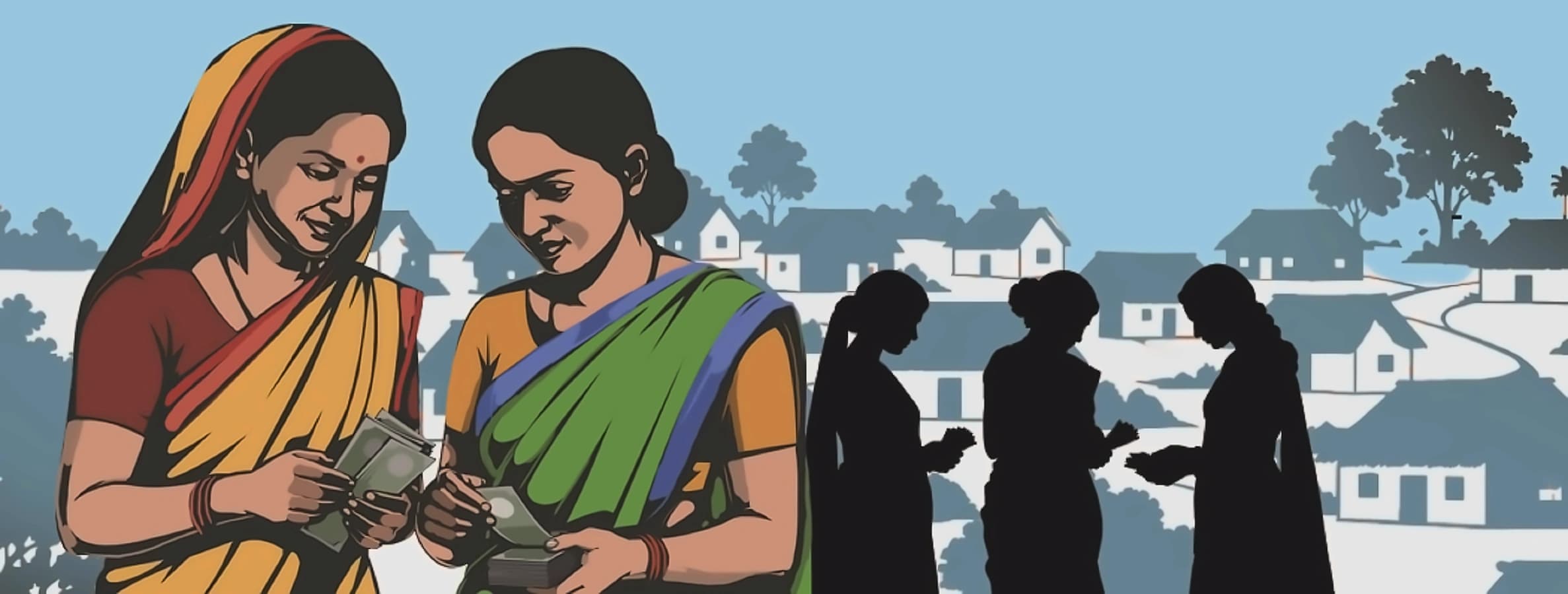
Union Commerce Minister Piyush Goyal called upon BRICS countries to work together to expand opportunities for women entrepreneurs in international trade, highlighting three key barriers - access to credit, markets, and predictable business rules. Speaking at the BRICS WBA Women-Led Development Conference in New Delhi, Goyal emphasized India's commitment to sharing its successful financial inclusion model with BRICS partners, noting that the country has opened nearly 300 million bank accounts for women and provided over 560 million loans to small entrepreneurs, with 68% going to women.

The United Nations Conference on Trade and Development (UNCTAD) warns that disruptions to the Strait of Hormuz could force 90% of global businesses out of international value chains, with small and medium enterprises facing disproportionate risks due to higher costs and limited financial access. Recent escalation of Iran-US tensions has pushed Brent crude prices above $99 per barrel, threatening to push small firms out of global supply chains and weaken international trade resilience.

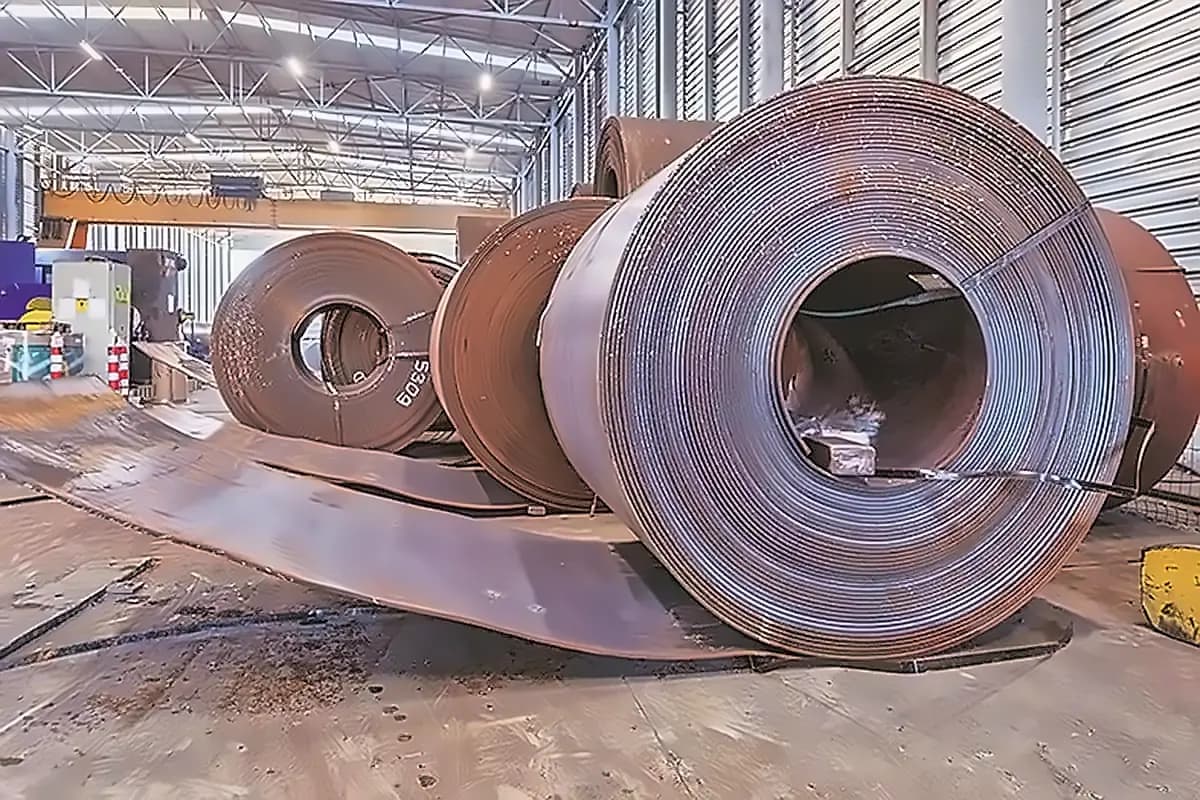
The All India Notebook Manufacturers Association has warned the government of an 'existential crisis' facing India's domestic notebook industry, citing unfair trade practices under the ASEAN Free Trade Agreement and GST framework changes that create structural disadvantages for local manufacturers. The association seeks minimum import price protection, anti-dumping investigation into Indonesian imports, and GST reforms to prevent job losses across 1,500 domestic units employing 1.25 lakh people.

A Vector Consulting Group report reveals that India's automotive component suppliers hold approximately ₹98,000 crore in inventory with potential to release ₹29,000-39,000 crore through improved management practices. The study, based on 21 senior industry executives, highlights significant operational gaps where 95% of leaders believe MSMEs are not investing fast enough in future capabilities, despite plants operating at only 75-85% capacity utilization.

RBI MPC member Nagesh Kumar praised India's 7.8% Q1 GDP growth as impressive despite global disruptions, while Finance Commission Chairman N K Singh endorsed the new GDP series as capturing structural economic changes. The growth was supported by robust manufacturing expansion of 9.2% and strong investment momentum, with Japan Credit Rating upgrading India's sovereign rating from 'BBB+' to 'A-' citing solid economic fundamentals.

India's pharmaceutical exports grew 6.8% to $8.1 billion in Q1 FY27 despite West Asia supply chain disruptions, with the US remaining the largest market at $2.50 billion. The sector demonstrated remarkable resilience through strategic mitigation measures including 60-day buffer inventory and annual shipping contracts, while domestic sales rose 10.7% to ₹23,272 crore in August 2026.