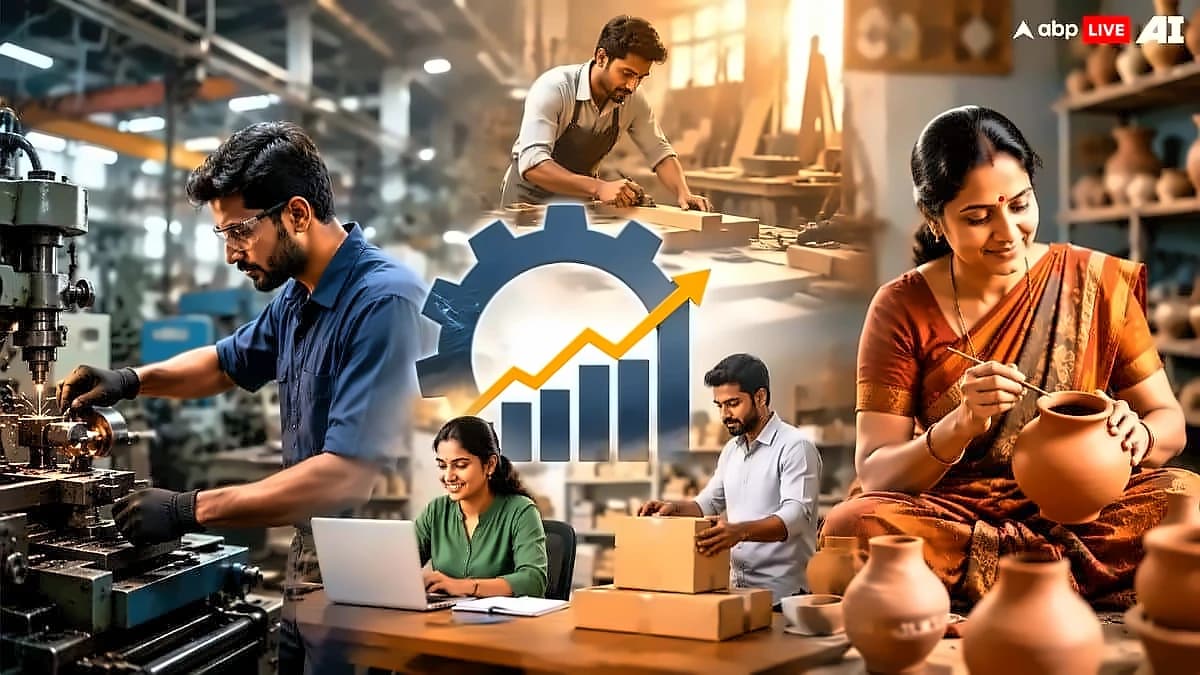
A comprehensive study by the Confederation of Indian Industry (CII) and Indian School of Business (ISB) reveals a significant gap in MSME technology adoption across India. The 'MSMEs in India: Challenges, Opportunities and the Road Ahead' study found that 65.8% of surveyed MSMEs use AI tools, while only 21% deploy ERP or customised business software to manage operations. The study, based on an analytical sample of 2,919 confirmed MSMEs across all 36 states and Union Territories and 40 industry sectors, shows that AI was primarily used for business communication (34.9%), content creation (22.3%), and training (18.9%). This gap between technology adoption and effective business software implementation highlights challenges in converting technological advancement into measurable productivity improvements.
India's micro, small and medium enterprises (MSMEs) require larger companies to do more than just purchase from them, according to Bharat Khera, secretary of the ministry of micro, small and medium enterprises. Speaking at the CII's 23rd Global MSME Business Summit 2026, Khera emphasized that larger companies must help smaller suppliers upgrade technology, develop skills, and move up the value chain. As reported by ZeeBiz, Khera stated that established enterprises can support MSMEs through innovation, technology transfer, vendor development and integration into supply chains, with 80% of CII members belonging to the MSME sector. This initiative comes as India seeks to expand manufacturing, raise export competitiveness, and help smaller businesses withstand repeated global disruptions. Khera noted that MSMEs are expanding global markets because there are a lot of new opportunities that are getting unlocked as a result of the FTAs and economic partnerships, with improving quality and competitiveness being the single most important focus for businesses looking to make the most of these opportunities.
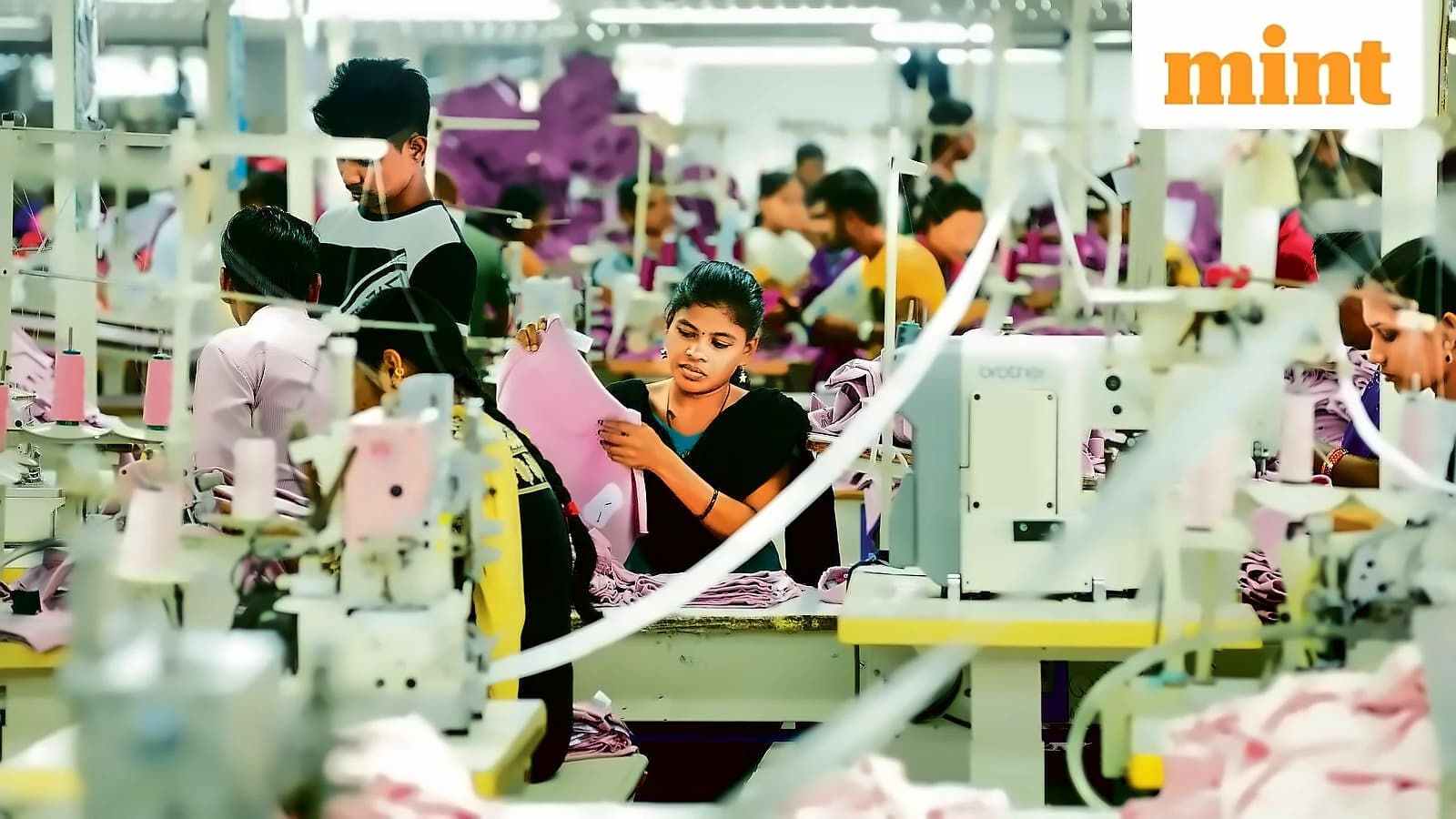
The ministry has implemented several initiatives to improve MSME access to finance and technology. TReDS discounting increased dramatically from ₹40,000 crore in 2022-23 to ₹3.5 lakh crore in the last financial year, representing a major jump in financing through this system. Initiatives such as the Credit Guarantee Scheme for Micro and Small Enterprises and the Trade Receivables Discounting System (TReDS) have improved access to finance for MSMEs. The CII-ISB study found that 74.9% of surveyed MSMEs were aware of at least one government scheme, but only 42.6% reported using one. Enterprises with recognised certifications, external credit ratings and higher turnover were more likely to access government support, indicating that smaller and less-equipped businesses may face greater difficulties navigating application and eligibility requirements. The Zero Defect, Zero Effect (ZED) scheme encourages MSMEs to adopt quality standards, with the ministry working with the Quality Council of India and the National Productivity Council to encourage more enterprises to adopt higher quality standards.
MSMEs now account for more than 50% of India's exports, highlighting the sector's role in connecting smaller businesses to overseas markets, as reported by Mint. The CII-ISB study found that 11.8% of MSMEs in its export-focused analytical sample served international markets. The study identified that use of ERP or customised business software, recognised certification, manufacturing activity and better internet connectivity were associated with higher odds of export participation, suggesting that international market access depends on a combination of operational capabilities rather than enterprise size alone. India has signed trade agreements with Mauritius (2021), the United Arab Emirates and Australia (2022), the European Free Trade Association (2024), the UK and Oman (2025), and New Zealand (2026). The India-European Union FTA was concluded in January, while a bilateral trade deal with the US is being worked out. Businesses face shifting trade routes due to the West Asia war, forcing exporting MSMEs to adjust to new routes beyond the Strait of Hormuz and the Red Sea.
The study identified working-capital constraints, delayed customer payments and difficulties in accessing finance as recurring challenges for smaller businesses. Only 32% of surveyed MSMEs held recognised certifications, with 50.9% of those without certification citing that customers didn't require it, while 30.4% cited lack of awareness. The report recommended stricter enforcement of payment timelines across public and private buyers, wider use of the Trade Receivables Discounting System (TReDS) and greater availability of loans based on verified cash flows, receivables and orders rather than collateral alone. It also called for short-term bridge credit and improved invoice financing to help businesses manage liquidity pressures. The CII-ISB report proposed five national missions focused on liquidity and payment discipline, an integrated digital journey for MSMEs, technology adoption with implementation support, skills development, and market access, quality and green competitiveness. The effectiveness of policy interventions should be assessed through outcomes such as shorter payment cycles, improved access to credit, faster scheme approvals, higher productivity and greater export participation, rather than registrations or training numbers alone.