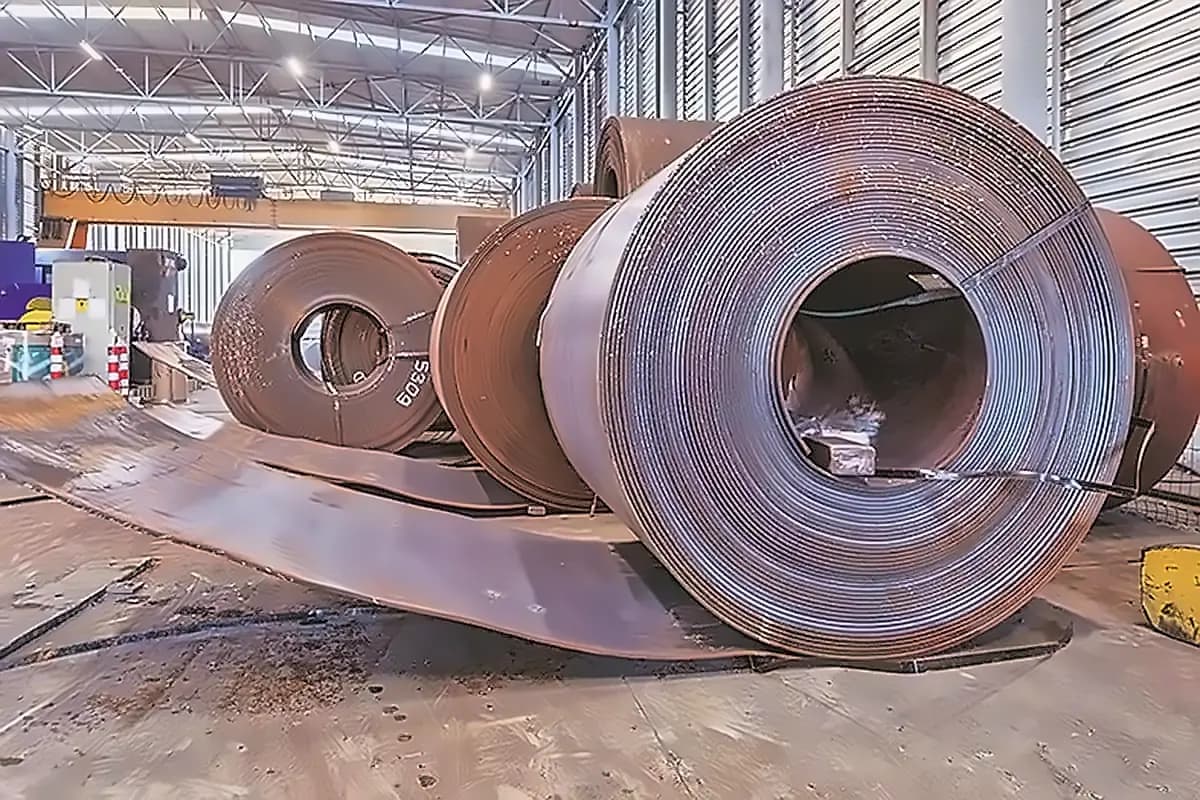
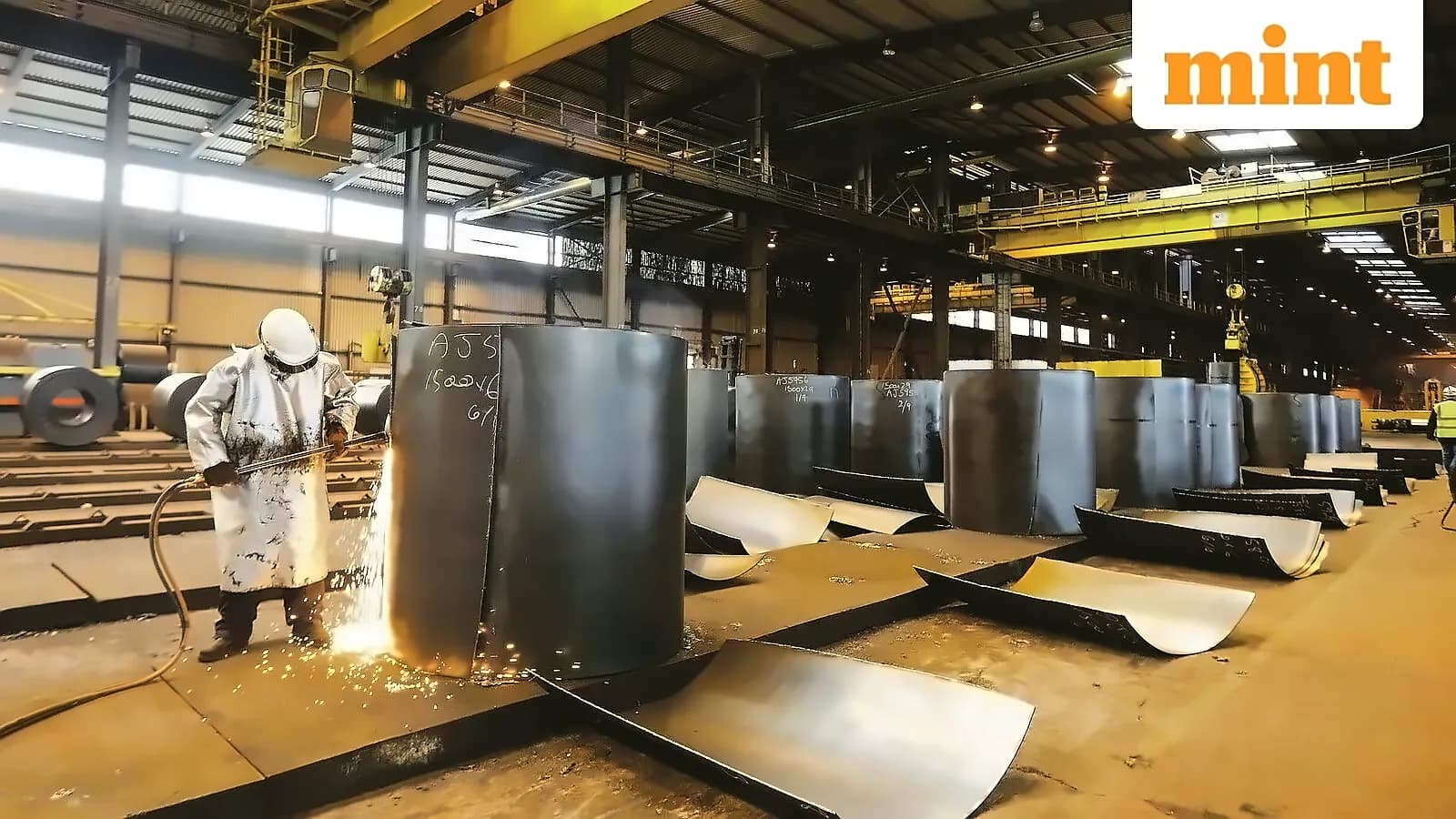
India's steel ministry is unlikely to push for new measures to curb cheap imports in the near term, turning down requests from domestic steelmakers despite a significant surge in imports. According to Business Standard, India was a net importer of 3.5 million metric tons of finished steel in April-August, up 29.5% from a year ago. China accounted for 31.8% of imports, making it the top exporter of finished steel to India during this period. This surge has occurred despite New Delhi's December 2025 imposition of import tariffs on some grades for three years, with the federal steel secretary acknowledging imports as a challenge last week.
Coimbatore-based MSME and industry associations have sought urgent government intervention to address what they described as an 'acute and unprecedented' increase in prices and shortage of essential raw materials, particularly steel, pig iron, aluminium and copper. According to reports from Business Standard, steel prices have increased by around ₹8,000-10,000 per tonne between August and September 2026, despite wholesale price data indicating fluctuations and a decline in steel prices during the period. The associations noted that while WPI comparison indicates fluctuations and a decrease in steel prices, the actual market conditions are adverse. Recent weeks have seen mills lift prices on the back of rising coking coal costs and strong demand revival after monsoon rains.
The associations have sought withdrawal of applicable import and safeguard duties on steel for six months, up to March 2027, arguing this would improve domestic availability and ease pressure on production costs arising from strong domestic demand and limited availability from domestic sources. As reported by Business Standard, they also requested deferment of applicable BIS and Quality Control Orders for imported steel for six months, up to March 2027, to ensure adequate availability of steel and prevent further supply constraints. The industry bodies have called for the constitution of a Price Monitoring Committee for steel comprising ministers, ministry officials, major manufacturers, industry associations and MSMEs to monitor steel availability and prices.
The associations have urged the government to regulate raw material prices by fixing a maximum retail price for raw materials, which would prevent local dealers from selling them at premium rates. According to Business Standard, they have also asked the government to facilitate and encourage imports of copper and aluminium scrap to address shortages of these two metals. The industry bodies have urged the government to take measures 'at war footing' to come under the OECD in order to secure copper and aluminium scrap from the European Union. Additionally, they have requested the Ministry of Steel to explore setting up a SAIL depot in Coimbatore to ensure easy and timely availability of quality steel to MSMEs in Coimbatore and surrounding industrial regions.
The representation was made jointly by multiple industry bodies including the Institute of Indian Foundrymen, Coimbatore Chapter, Southern India Engineering Manufacturers' Association, Coimbatore District Small Industries Association, Indian Pump Manufacturers' Association, Laghu Udyog Bharati, Coimbatore Tirupur District Micro and Cottage Entrepreneurs Association, Indian Chamber of Commerce and Industry, Coimbatore, and Tamilnadu Pumps & Spares Manufacturers Association. As reported by Business Standard, the associations said rising fuel costs, including diesel, furnace oil and LPG, along with higher raw-material costs, have significantly increased the overall cost of production for MSMEs. Higher imports remain the key risk to Indian steel producers' margins if competitive pressure resurges, according to Fitch Ratings in a September report.