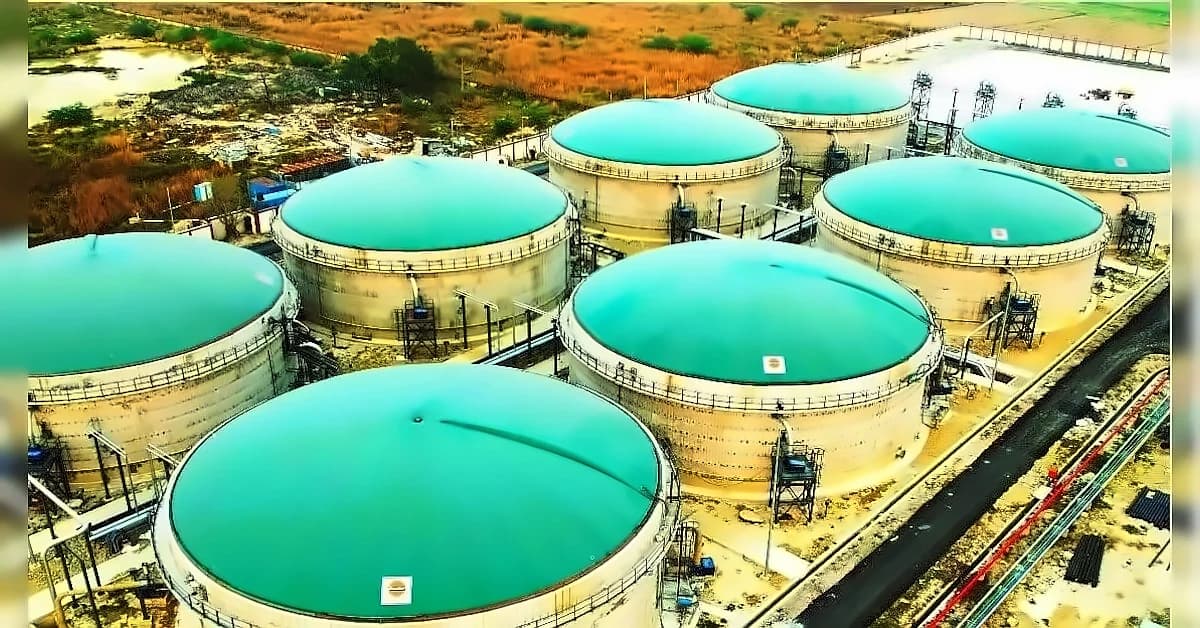
The Uttar Pradesh Footwear, Leather and Non-Leather Sector Development Policy, 2025 was officially notified and took effect from its notification date. According to the policy document from the Department of Micro, Small and Medium Enterprises and Export Promotion, the policy is designed to remain operative for five years, subject to any earlier amendment or cancellation. The policy covers a comprehensive range of products including leather footwear, non-leather footwear made from polyurethane, ethylene vinyl acetate, rubber, synthetic materials and textiles, sports and woven footwear, footwear components and ancillary products, handbags, wallets, gloves, upholstery, leather garments, saddlery and travel goods.
The policy establishes specific investment and employment thresholds for different categories of beneficiaries. Standalone footwear or leather-product units require investment between ₹50 crore to ₹150 crore with employment of 20 jobs per ₹1 crore invested. Footwear or leather-machinery units also fall under this category with similar investment requirements. Mega anchor units must invest above ₹150 crore with the same employment threshold. Clusters require at least ₹200 crore combined investment with policy documents indicating 20 jobs per ₹1 crore, though subsequent cluster notes suggest minimum investment and employment thresholds do not apply to clusters.
The policy offers comprehensive financial incentives across multiple categories. Capital subsidies range from 20% to 35% of eligible capital investment over five years, with maximum caps of ₹200 crore for Paschimanchal region and ₹600 crore for Madhyanchal, Purvanchal and Bundelkhand regions. Private industrial parks receive 25% capital subsidy for parks between 25-100 acres (capped at ₹45 crore) and 25% for parks above 100 acres (capped at ₹80 crore). Land-cost grants vary significantly across regions, with 25-35% grants in Paschimanchal, 75-80% in Madhyanchal, Purvanchal and Bundelkhand. Additional incentives include stamp duty exemptions, power tariff subsidies, and employment and training support.
The policy includes substantial support for innovation and environmental sustainability initiatives. Research and design incentives provide 50% grants for design-innovation laboratories or footwear-prototyping centres (capped at ₹1 crore) and up to 50% support for Centre of Excellence projects (capped at ₹10 crore). Sustainability incentives include 50% reimbursement for carbon-credit certification, energy audits and renewable-energy certification (capped at ₹50 lakh) and 50% subsidy for biodegradable tanning agents and bio-based alternatives (capped at ₹1 crore). An additional 75% subsidy is available for specified international environmental certifications (capped at ₹1 crore), while allied units producing plant-based, bio-fabricated or laboratory-grown leather receive an additional 5% capital subsidy (capped at ₹15 crore).
The policy establishes a comprehensive application and implementation mechanism through the Directorate of Industries as the nodal agency. According to the policy document, applications will be processed through a proposed online portal linked with Nivesh Mitra and the online incentive-management system. The policy covers principal beneficiaries including footwear, leather and non-leather product manufacturers, machinery units, allied units, clusters, mega anchor units and private industrial park developers. As reported by Invest UP, the policy was published with detailed implementation guidelines and project-level progress data, though specific implementation metrics and project outcomes were not identified in the official material reviewed.