







A consolidated view of market events, assembled from diverse sources.

The Jute Commissioner has imposed comprehensive stock limits on raw jute, restricting balers to 1,000 quintals, stockists to 100 quintals, and unregistered entities to 5 quintals, with all excess stocks required to be sold and physically delivered by December 10, 2026. The move addresses significant price volatility with raw jute prices at ₹14,700 per tonne, nearly 40-50% above fair value, amid a bumper crop of 92 lakh bales against industrial demand of less than 75 lakh bales.
OPEC+ oil producers have postponed their 2027 production target decision until June 2027 or earlier due to disputes over production capacity assessments, with Iraq and Kazakhstan challenging their assigned quotas. The delay comes amid ongoing Iran war disruptions and forecasts of a potential 5 million barrel per day global oil surplus next year, adding pressure to the 21-country alliance that pumps 35% of world oil.

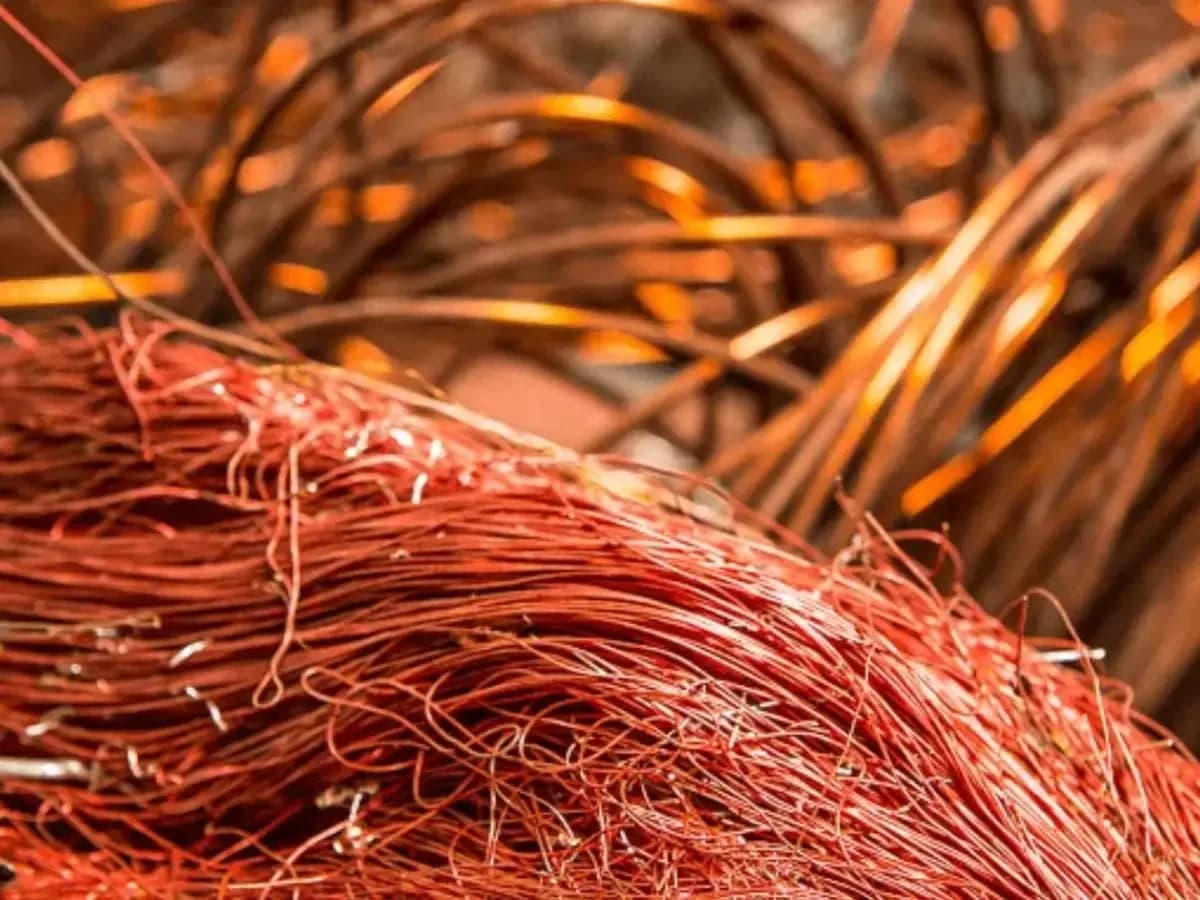
Copper prices surged 4.4% to $12,395 per ton on Friday, marking the biggest gain since February, driven by China's cabinet intervention to support stock markets and strong industrial profit data showing 20.1% growth in October. The rally was supported by China's AI-driven electronics boom and high-tech manufacturing surge, while the metal recovered from an 11-month low amid improved risk appetite and reduced AI trade concerns.

India's energy crisis has reached critical proportions with Prime Minister's adviser Tarun Kapoor revealing that high oil and gas import dependence is costing the country between ₹6-7 lakh crore annually. Despite maintaining strong refining capabilities and diversifying supply chains, the country remains vulnerable to geopolitical disruptions like the Strait of Hormuz crisis, with crude oil imports reaching 88.7% dependence and LNG costs hitting six-year highs.


The Trump administration has reportedly encouraged Venezuela and Iraq to consider leaving OPEC earlier this year, marking an unprecedented challenge to the organization. While Venezuela's membership remains blocked due to US control of its oil revenues, Iraq's Prime Minister raised the possibility of departure before oil ministry officials intervened to keep the country in the group.

Goa's mining department is preparing for its fifth round of iron ore block auctions in December, targeting ₹1,000 crore annual revenue from four to six blocks, while seeking Supreme Court permission to increase production beyond the current 20 million tonne limit. The sector, which contributed 16.33% of the state's GSDP in 2011-12, now accounts for less than 1% of the economy due to mining bans and regulatory constraints.

Russia attacked two foreign cargo ships carrying over 100,000 metric tons of grain near Ukraine's Odesa port, further disrupting the country's agricultural exports which have declined 35% to 7.6 million tons in the current season compared to 11.5 million tons last year. Ukraine's grain shipments from key Black Sea ports have effectively stopped since late July due to intensified Russian attacks on terminals and merchant vessels, forcing exports to be redirected to alternative routes including rail and Danube ports.

Tin prices have declined over 15% in the past month due to concerns about AI sector sustainability and slower data centre buildout, with three-month contracts trading at $40,900 on the London Metal Exchange. Despite the recent correction, analysts maintain tin's fundamental outlook remains strong with BMI forecasting prices at $51,500 per tonne for 2026, supported by improving supply from Indonesia and steady semiconductor demand.

India's Russian crude oil imports have declined from a July peak of 2.8 million barrels per day to around 1.65 million bpd in November, driven by higher shipping costs and reduced discounts making Russian barrels less attractive to Indian refiners. The shift reflects a broader diversification strategy as refiners increase purchases from traditional West Asian suppliers like Saudi Arabia and Iraq, with Indian refiners maintaining a more balanced approach across Russian, Middle Eastern, and Atlantic Basin crude sources.

US soybean futures rebounded to one-month highs on Wednesday driven by strong soymeal demand and reduced China trade tensions concerns, while wheat markets showed mixed signals ahead of the US Thanksgiving holiday. The recovery came despite earlier overnight declines following President Trump's tariff proposals, with soymeal prices rising on EU demand expectations and improved biofuel demand.