The Jute Commissioner has imposed comprehensive stock limits on raw jute held by balers, stockists, traders and jute mills, directing those holding stocks above prescribed limits to sell surplus and physically deliver it to buyers by December 10, 2026. According to reports from Rediff Moneynews, the order was issued on Saturday under the Jute and Jute Textiles Control Order, 2016, addressing concerns over price volatility and speculative increases in raw jute prices that could threaten the industry and disrupt production and employment. The restrictions have come into immediate effect and will remain in force until further orders.
Under the new norms, raw jute balers with baling press on the same premises can hold up to 1,000 quintals at any time, provided they are registered with the Office of the Jute Commissioner or applied for registration by the notification date. As reported by Rediff Moneynews, other registered stockists and those who applied for registration by the notification date are permitted to hold 100 quintals. The maximum permissible stock has been restricted to five quintals for unregistered stockists, balers without registration, and registered entities not submitting stock returns on the Jute SMART portal. The order also makes it mandatory for all covered entities to declare and update their stock positions every fortnight through the Jute SMART portal.
Jute mills and manufacturing units producing jute goods from raw jute can hold stocks equivalent to a maximum of 90 days' consumption based on their current production rate. According to the Textile Ministry, the volatility in prices and speculative increases have the potential to threaten the jute industry and disrupt production and employment. The order requires all covered entities to immediately stop purchasing fresh stock until their existing holdings fall within prescribed limits, with all persons covered by the order required to declare and update stock positions every fortnight through returns on the Jute SMART portal. Entities holding stocks beyond prescribed limits must sell excess quantity and physically deliver it to consignee by December 10, along with submitting compliance reports and documentary evidence of sale and delivery to the Jute Commissioner's office.
To prevent circumvention of limits, raw jute stored at a single premises will be treated as one stock regardless of whether it is held in different traders, stockists, or balers' names. As reported by Rediff Moneynews, where entities share a godown or baling press, the aggregate quantity held at the premises cannot exceed the applicable ceiling. Authorised representatives of the Jute Commissioner and State Police officials can enter and search premises, inspect books and records to verify stock declarations, and seize raw jute reasonably believed to have been stored in violation of the order. Any contravention is punishable under Clause 11 of the Jute and Jute Textiles Control Order, 2016, read with Section 7 of the Essential Commodities Act, 1955. The order also includes a provision that raw jute contracted for sale will continue to be treated as the seller's stock until it is physically delivered to the buyer, aimed at preventing transactions without actual movement of the commodity.
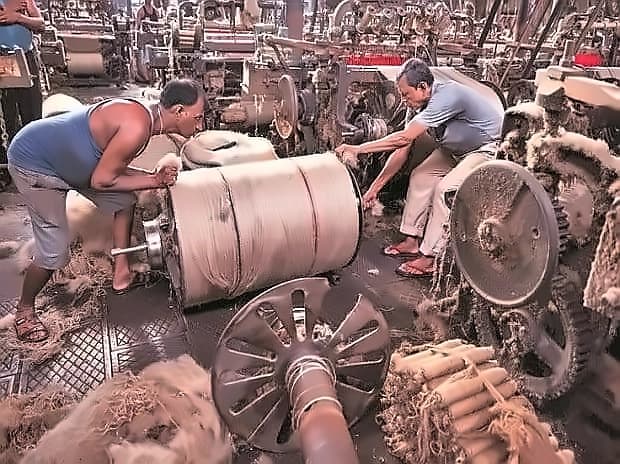
The intervention comes amid significant price volatility, with former Indian Jute Mills Association chairman Sanjay Kajaria stating that raw jute prices are 40-50 per cent higher at ₹14,700 per tonne than the estimated fair price, given the bumper crop this crop year. According to Rediff Moneynews, the issue was discussed at the sixth meeting of the Jute Advisory Group on November 5, where estimates indicated raw jute production of around 92 lakh bales against anticipated industrial consumption of less than 75 lakh bales. Government field surveys reportedly suggested that a substantial portion of the new crop remained with farmers, while industry representatives flagged accumulation of stocks by intermediaries and delays in physical deliveries despite forward contracts. This contrasts sharply with the previous season when a shortage of raw jute forced several mills in West Bengal to suspend operations, with prices climbing to around ₹17,100 per quintal in May 2026 from approximately ₹11,600 in January.