OPEC+ oil producers have delayed their decision on 2027 output targets until June 2027 or earlier, according to The Times of India reports. The group had planned to use the findings of its first-ever review of members' production capacity to help set 2027 targets at Sunday's meeting, though disagreements over some estimates have complicated the process. In a statement, OPEC said some members had requested further discussions with the consultants conducting the capacity review by the end of March. OPEC+ delegates confirmed they will maintain existing oil output targets for the first quarter of 2027, as reported by multiple sources, though the official statement did not specify any production quotas for next year.
The capacity review has become a source of significant tension among some members, with Iraq and Kazakhstan challenging the production capacity assessments as too low, according to Reuters sources familiar with the discussions. Additionally, Iraq dissatisfied with preliminary findings that assessed its production capacity at 4.9 million barrels per day. The dispute comes as OPEC+ faces uncertainty over oil supplies and the impact of the Iran war on Gulf exports. The capacity review, conducted by Dallas-based consultancy DeGolyer & MacNaughton, was intended to guide 2027 output targets and avoid the kind of quota disputes that have prompted some countries to leave OPEC. The ability of the OPEC+ alliance to function may be tested next year, when global oil markets are on track for a renewed supply surplus that could put further downward pressure on prices.
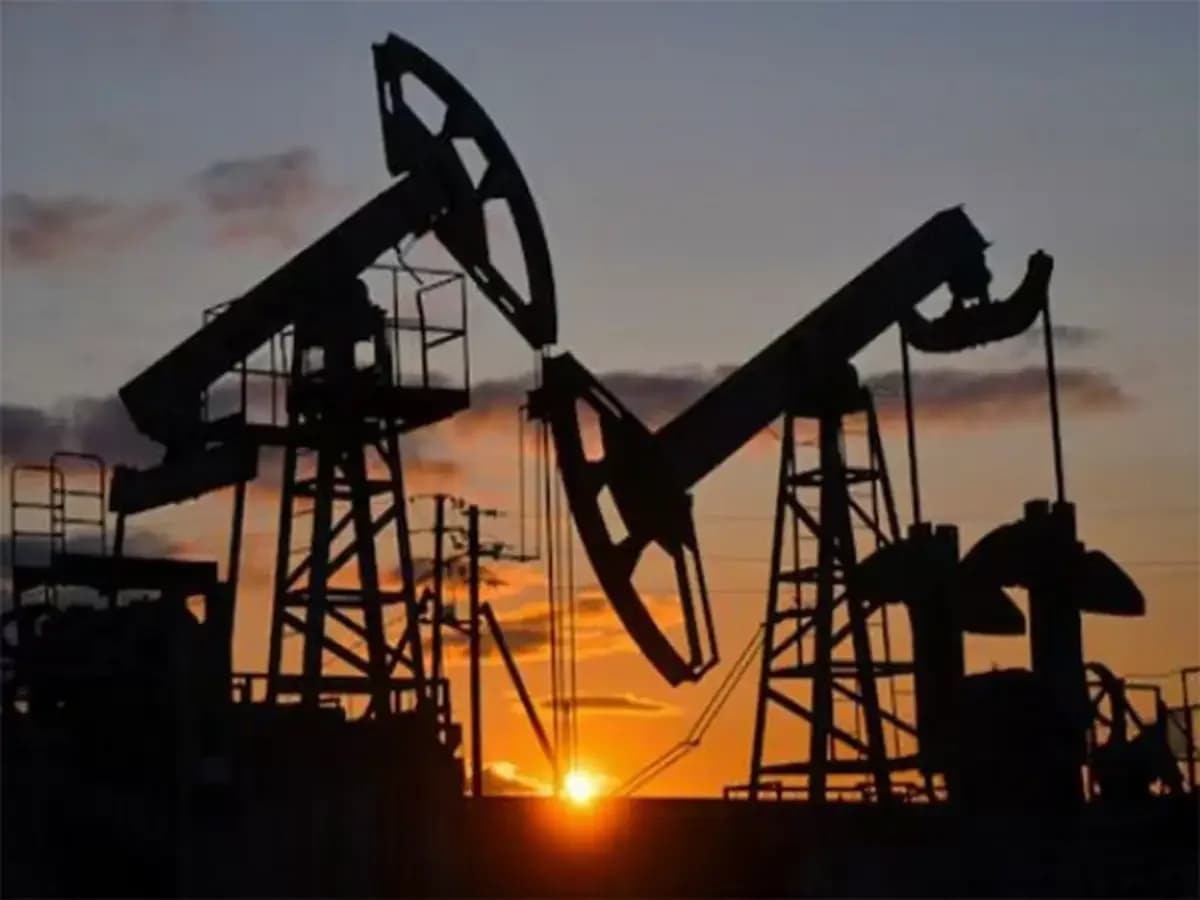
Rapidan Energy Group also expects no changes to production targets, citing uncertainty over the duration of the Iran war and its effect on crude output and exports. Rystad Energy forecasts a global oil surplus of about 5 million barrels per day next year, equivalent to roughly 5% of worldwide demand, even if Gulf supplies recover only partially. This outlook underscores the pressure on OPEC+ as it weighs production policy for 2027, with actual output from oil-rich Gulf states having been severely disrupted since the US–Israel–Iran war began on February 28. As per The Times of India, oil prices had climbed above $100 per barrel amid the Iran war and supply disruptions this year, but eased in recent weeks as Gulf exports increased and expectations of a crude surplus in 2027 returned.
Sunday's meeting comes months after the United Arab Emirates left OPEC and OPEC+ in order to pump more oil after years of arguing that its quota did not reflect its investment in capacity. Angola quit OPEC at the start of 2024, and Iraq has warned it may leave if its quota is not raised, indicating internal frictions within the 21-country coalition that includes the Organization of the Petroleum Exporting Countries and allies including Russia. OPEC+ pumps around 35% of the world's oil and sets production quotas for individual members without publishing a single output target for the group. The outlook for oil markets remains clouded by ongoing disruptions from the Iran war, with the Iran war disruptions continuing to cloud the oil market outlook.
The OPEC+ decision comes as crude prices remain sensitive to developments in West Asia and expectations of a global supply surplus. As per Choice Broking, it expected a "moderately bearish trend in crude oil futures in upcoming sessions in both domestic and international markets". Religare Broking's Ajit Mishra said Brent crude could test 98-100 per barrel if supply disruptions intensified, while easing geopolitical tensions could bring prices towards 90-92. The Strait of Hormuz, a key route for global oil shipments, remains a particular concern, with analysts noting that any fresh disruption to shipping or energy infrastructure could trigger a sharp recovery in prices. Analysts expect crude prices to remain volatile as traders assess the group's production plans alongside geopolitical risks and the possibility of excess supply.