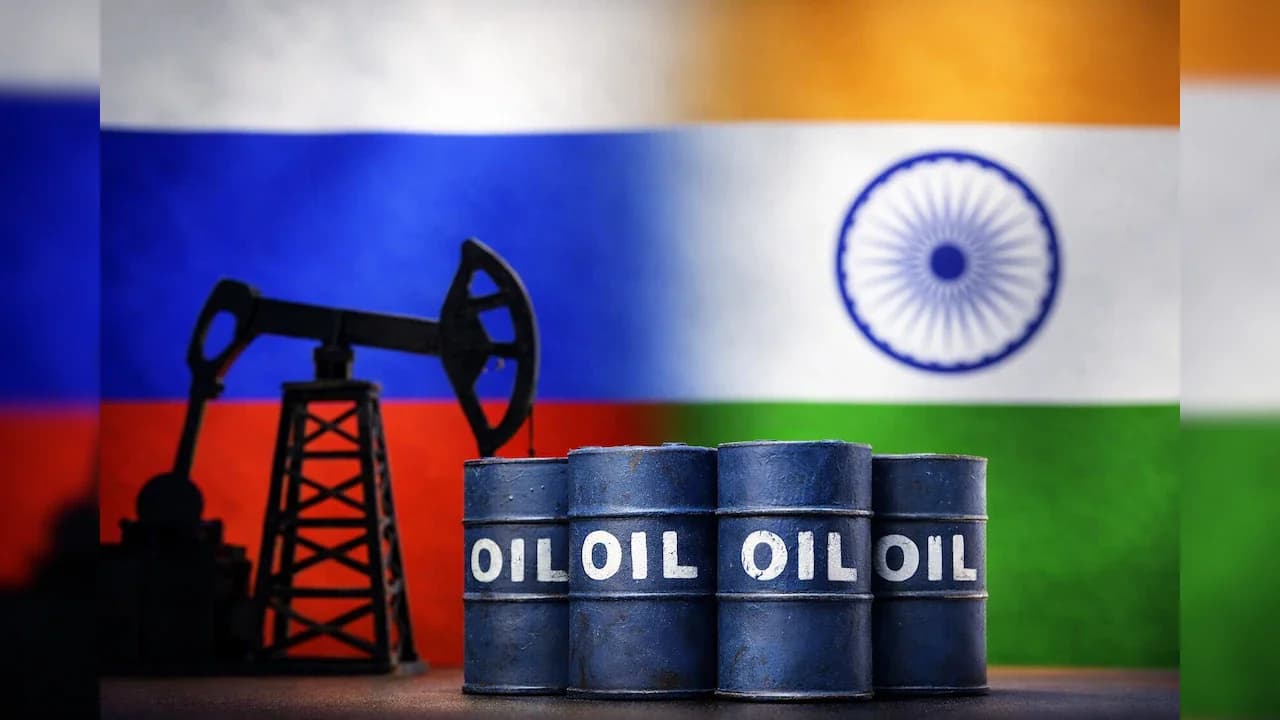
India's Russian crude oil imports have declined sharply in November from their mid-year peak, falling to around 1.65 million barrels per day (mbd) from a peak of approximately 2.8 mbd in July, according to Kpler data. This represents a significant shift as the country moves away from its heavy reliance on Russian barrels. The decline has coincided with a sharp recovery in purchases from traditional West Asian suppliers, particularly Saudi Arabia and Iraq, whose combined imports rose to around 1.61 mbd in November from about 1.03 mbd in October. Indian refiners have also increased purchases from Brazil and Venezuela, indicating a broader effort to diversify supplies across different producing regions. As reported by The Hindu BusinessLine, Sumit Ritolia from Kpler noted that "Russia continues to be India's largest individual crude supplier, but its dominance has been declining since the middle of the year." The improvement in crude flows through the Strait of Hormuz has allowed Indian refiners to increase their intake of Middle Eastern barrels, strengthening their negotiating position and enabling more balanced procurement strategies.
The shift in crude sourcing is being driven largely by changing economics rather than weak demand, with higher shipping expenses and smaller discounts on Russian crude making it less attractive to Indian buyers. According to commodity intelligence firm Kpler, India's Russian crude imports had dropped to 1.87 mbd in September before rising to 2.05 mbd in October before the November decline. Concerns over geopolitical tensions and uncertainty surrounding shipments from the Black Sea have also added to supply risks, influencing procurement decisions beyond just cost considerations. The changing import mix reflects a shift in the economics of crude procurement rather than a structural reduction in India's oil requirements, with refiners increasingly weighing the delivered cost and reliability of supplies against headline discounts offered by producers.
The national decline in Russian crude imports masks significant differences among individual refiners, with Reliance Industries increasing its Russian purchases even as the country's overall intake has fallen. Reliance's Russian crude imports rose from around 364,000 barrels per day in September to nearly 500,000 bpd in November, while the company's overall crude imports remained elevated at about 1.48 mbd in November, up around 4 per cent year-on-year and 7 per cent month-on-month. In contrast, Nayara Energy remains substantially more exposed to Russian supplies, with Russian crude accounting for virtually all of its tracked imports at the Vadinar refinery, averaging around 407,000 bpd in November. Kpler's tracking shows no recorded arrivals of crude from Iraq or Saudi Arabia since August 2025, with the refinery's ownership structure and exposure to Russian supply chains making sanctions-related restrictions particularly significant. State-owned refiners Indian Oil Corporation, Bharat Petroleum Corporation Ltd and Hindustan Petroleum Corporation Ltd are expected to maintain a more diversified procurement strategy, balancing Russian supplies with West Asian and other international grades, leveraging their established supply relationships and term contracts with Middle Eastern producers to adjust purchases as crude availability improves.
Kpler expects India's Russian crude imports to remain around 1.5-1.7 mbd in December, significantly below the exceptionally high levels recorded in June and July. The firm does not anticipate an uninterrupted month-on-month decline, as import volumes can fluctuate depending on cargo scheduling, loading dates and refinery procurement decisions taken several weeks before shipments arrive. Middle Eastern suppliers, particularly Iraq and Saudi Arabia, are expected to remain competitive as flows through the Strait of Hormuz improve. Indian refiners are also likely to continue exploring supplies from Brazil, Venezuela, West Africa and other Atlantic Basin producers. India imports more than 88 per cent of its crude requirements, and although Russian oil became a major supplier after Western sanctions redirected discounted barrels towards Asia in 2022, its future market share will depend on competitive pricing, freight costs and geopolitical risks. As reported by The Hindu BusinessLine, Sumit Ritolia noted that "Russian barrels could regain some market share if discounts widen sufficiently to offset higher freight costs," but refiners remain commercially driven and will continue to balance purchases across Russian, Middle Eastern and Atlantic crude depending on prices, availability and security considerations.