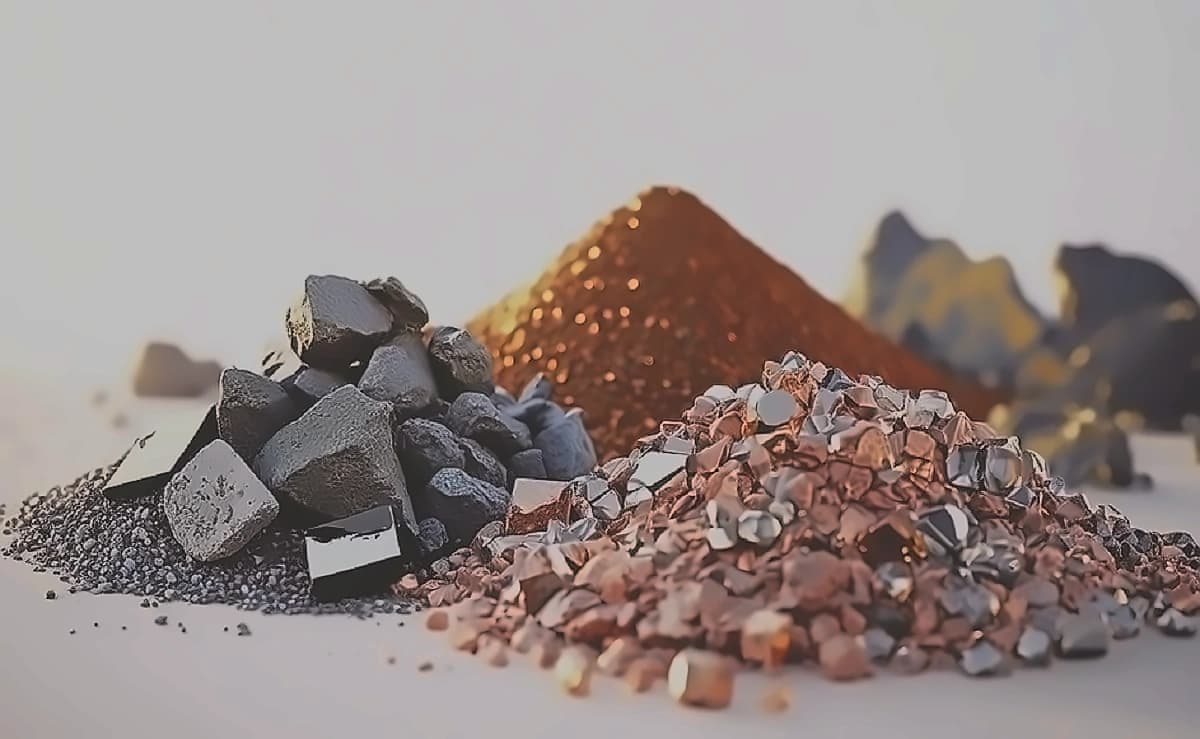
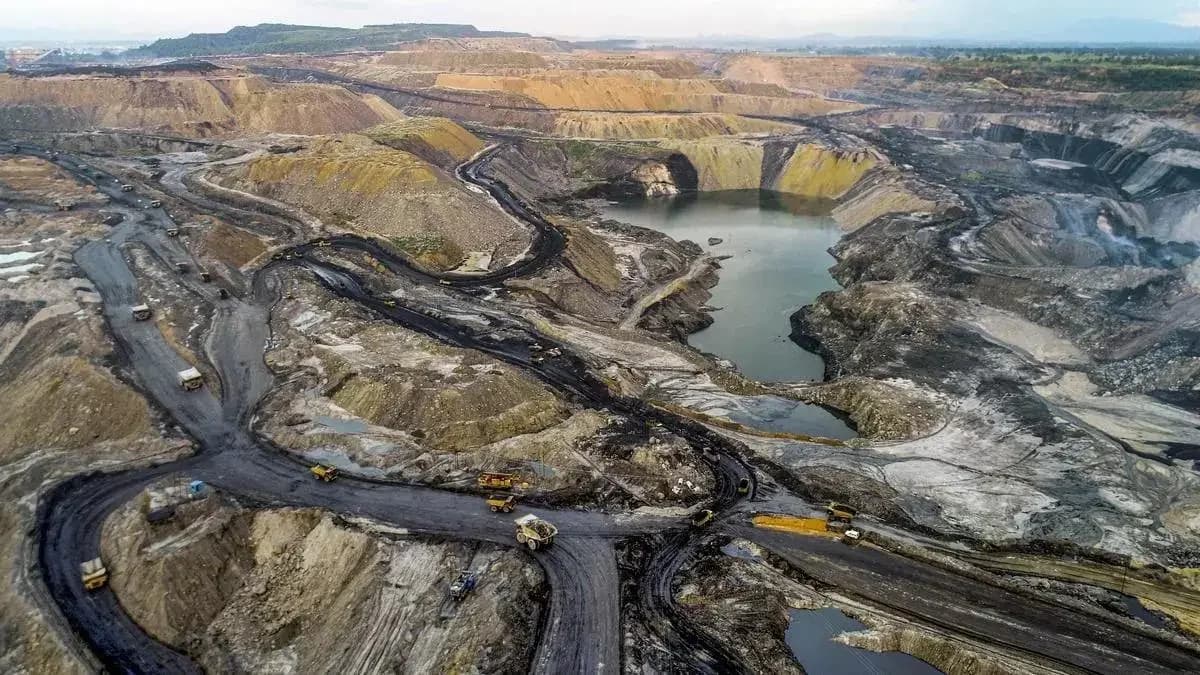
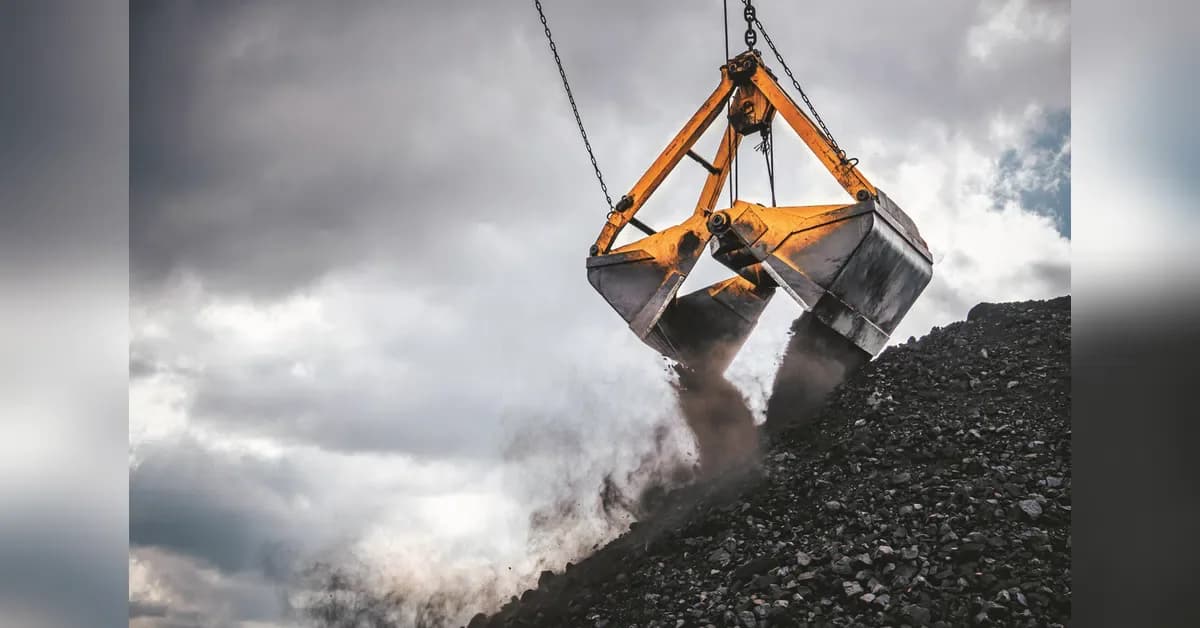
Goa's mining department is preparing for the fifth round of iron ore block auctions in December, targeting four to six blocks for bidding according to government sources. The state aims to generate ₹1,000 crore in annual revenue from these auctions, which officials describe as a conservative estimate. Industry experts suggest that if all blocks resume operations, total revenue could reach approximately ₹4,000 crore annually. As reported by Business Standard, the state government is also planning to approach the Supreme Court to seek permission to increase production beyond the current 20 million tonne annual limit.
Of the 18 blocks auctioned since FY22, only six have managed to start operations with a combined capacity of around 5 million tonnes. According to Business Standard, the Supreme Court had ordered the suspension of mining activities on October 5, 2012, following the Justice MB Shah Commission report on illegal mining, and later lifted the ban in April 2014 with the current production cap. Director Narayan Gad of the Directorate of Mines and Geology noted that achieving the 20 million tonne capacity should not be difficult as the 17 blocks alone have a capacity of 19 million tonnes. The state has been working closely with other departments including forest and environment to facilitate faster clearances for leaseholders.
Mining and quarrying, which contributed 16.33% of Goa's gross state domestic product (GSDP) in 2011-12 at the sector's pre-shutdown peak, now accounts for less than 1% of the state's economy. As reported by Business Standard, the sector's share has declined to 0.61% in 2024-25. The mining sector's contribution to state non-tax revenue has declined dramatically from 46% in 2010-11 to less than 4% in the 2025-26 Budget estimates. A senior industry official noted that while allocating blocks, the government did not take into account that several blocks are in forested areas, often on private land, which has contributed to delays in starting mining operations.
Beyond iron ore, Goa is also looking to auction around 700 million tonnes of low-grade coal lying in dumps after the Indian Bureau of Mines allowed sale of these resources in April. According to Business Standard, the state conducted an e-auction of 20 dumps in August and allotted eight to previous leaseholders. Additionally, the state is auctioning around 24 million tonnes of processed iron ore that could not be sold after the Supreme Court ban. The mining department has offered lower premium payments for five years to expedite operations.
Despite the expansion plans, several challenges remain including environmental concerns among locals and pending forest clearances. As reported by Business Standard, Goa Foundation has already challenged three leases granted in the village of Sirigao. On the employment side, while the mining department has put a condition that all leaseholders must provide local employment, it has not prescribed any minimum limit. The main beneficiaries are truckers, but with full-scale operations yet to start, there is a lot of idle capacity. Industry expert Glenn Kalavampara noted that while the mining department requires local employment from leaseholders, no minimum limits have been prescribed, with benefits currently unevenly distributed among truckers.