Sign in to fuzzto save your conversations, follow your research and come back anytime.

Tata Power Company Limited is India's largest integrated private power company. It operates across the entire power sector value chain, including generation, transmission, distribution, trading, and renewable energy. The company has an installed generation capacity of 13,515 MW, with 4,655 MW from clean and green sources. Tata Power has a significant presence in thermal, hydro, solar, and wind power generation. It also engages in power trading, coal mining, logistics, solar PV manufacturing, and engineering services. The company has operations in India and international investments in countries such as Indonesia, Singapore, South Africa, and Bhutan. Tata Power is actively expanding its renewable energy portfolio and developing electric vehicle charging infrastructure.
In the news

Tata Power shares rise 1.20% on 2.8 GW data centre pipeline amid Goldman Sachs sell rating
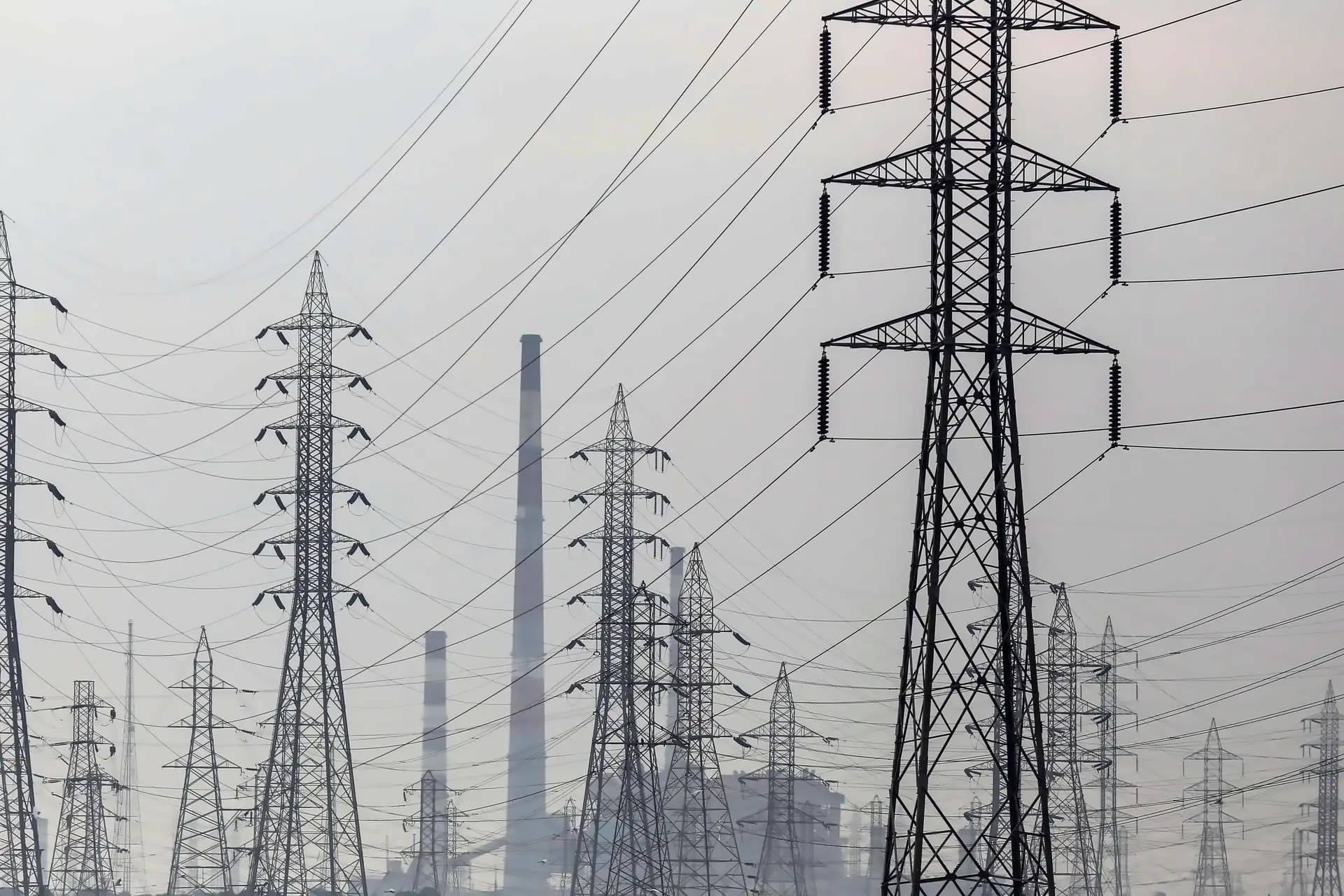
Tata Power shares rise as renewable arm logs 130% Q2 growth

Adani Group stocks crash 6-10% on RBI rate hike; investors lose ₹24,400 crore

Tata Power shares hit 52-week low after Ocean Sun floating solar deal
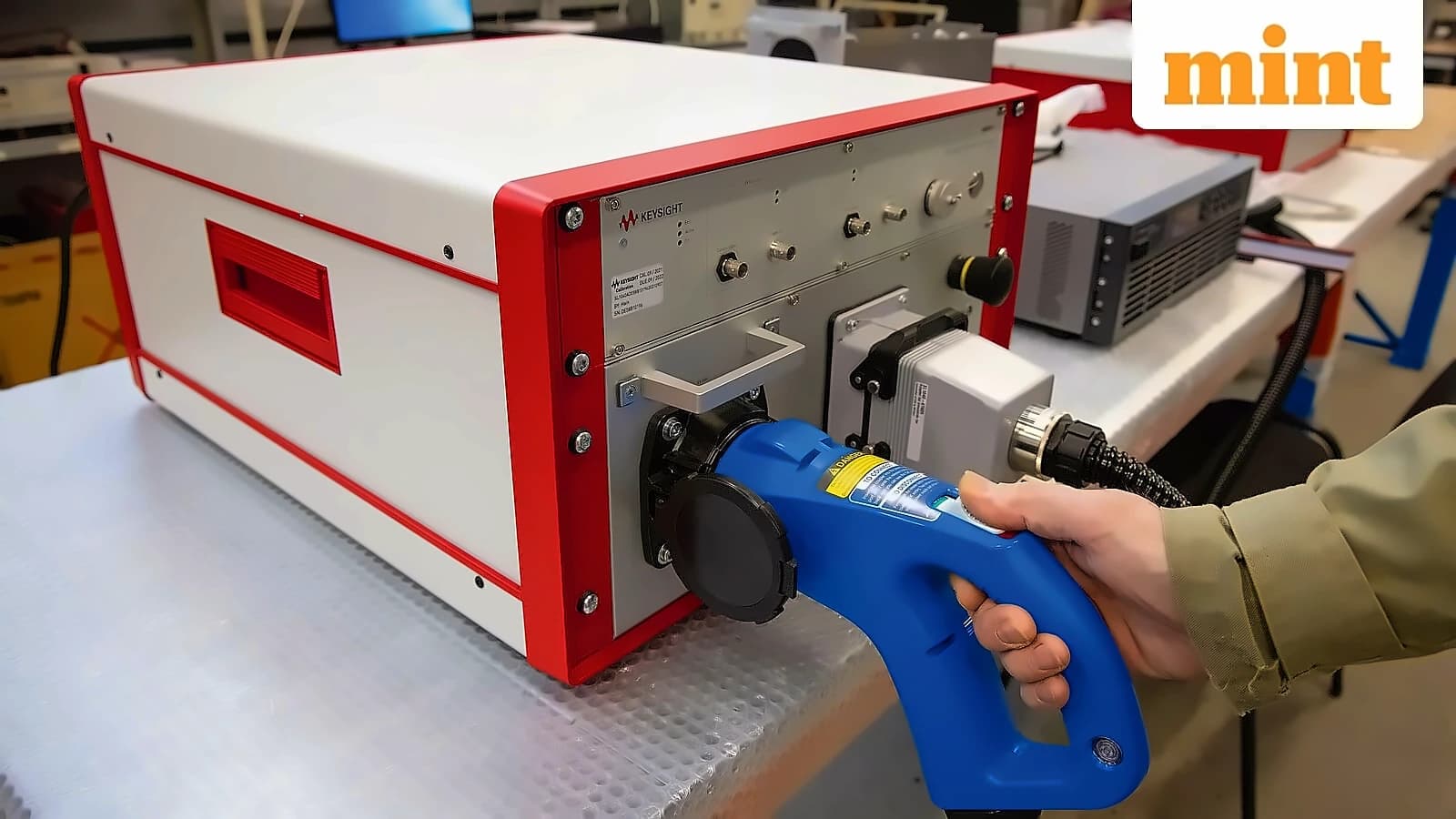
Four EV Battery Stocks with Strong Growth Roadmaps

5 Stocks Show Consistent Score Improvement with 32% Upside Potential

Bernstein Picks Tata Power as Solar Winner Amid Capacity Gap

Tata Sons board unanimous on RBI compliance panel, divided on listing

Tata, Adani, Reliance triple EV charging points to 19,000

5 Stocks Show Consistent Score Improvement with 23% Upside Potential

Tata Power Q1 Results: 11% Profit Growth Drives Stock to ₹421 Target

Tata Power commissions 100 MW solar project, 400 KV transmission corridor

Tata Power's $490 Million Russian Coal Gamble Backfires Spectacularly

Tata Power commissions 190.5 MW solar FDRE and 72.5 MW captive projects in Rajasthan

Tata Power launches digital command centre for renewable assets

Tata Power leads renewable expansion amid India's 500 GW race

PM Surya Ghar hits 50 lakh mark: Waaree Renewable secures 210 MWp order

India's Power Consumption Surge: What It Means for NTPC, Tata Power, and the Grid

Tata Power Q1 FY27: 11% profit growth, ₹485 target price

Tata Power's Strategic Expansion: Odisha Manufacturing and Nuclear Ambitions
The Quarter story
The two most recent quarterly results, compared side-by-side.
Tata Power’s renewable and manufacturing arms drive profit growth, while distribution rebounds and EV charging scales, though rising debt and EPC order slowdowns warrant attention.
Renewable capacity grows from 5,634 MW to 6,734 MW from Q1 FY26 to Q1 FY27, lifting sales to 3,425 MUs and PAT to ₹612 Cr.
Total debt expands from ₹60,148 Cr to ₹74,069 Cr from Q1 FY26 to Q1 FY27 as capital expenditure funding accelerates.
Solar manufacturing PAT surges from ₹100 Cr to ₹371 Cr over five quarters, supported by a stable 25% EBITDA margin.
Solar EPC order book shrinks from ₹1,242 Cr to ₹639 Cr over five quarters as new tender wins slow and large projects delay.
Home chargers expand from 1,51,657 to 2,46,065 units from Q1 FY26 to Q1 FY27, reflecting strong residential EV adoption.
Australian thermal coal prices rise from $106.52 to $143 from Q1 FY26 to Q1 FY27, increasing input costs for power generation.
Distribution sales climb from 2,826 MUs to 3,165 MUs in TPCODL over the period, driven by peak-season demand recovery.
TPCODL PAT collapses from ₹69 Cr to ₹6 Cr in Q1 FY27 as exceptional charges and cost pressures impact earnings.
Thermal EBITDA rebounds from ₹295 Cr to ₹1,027 Cr by Q1 FY27 as generation volumes peak and coal costs stabilize.
Large project EBITDA drops from ₹165 Cr to -₹57 Cr over five quarters as execution delays and cost overruns bite.
Company insights, generated from the most recent coverage.
Softer international coal prices have pulled Mundra's power cost down the merit-order stack, making it attractive to the five procurer states for several years — this weakens their incentive to walk away from a supplementary PPA.
Tata Power has already collected ~₹332 crore of long-pending Mundra regulatory upside, while the earlier six-month shutdown cost roughly ₹800 crore at the PAT level in lost capacity charges — recovery of blocked dues is now flowing through.
Mundra ran at 94% plant availability under Section 11, and moving from 4 units in FY25 to all 5 in FY26 is what lifted FY26 financial performance — availability, not tariff, is the swing variable on capacity-charge recovery.