Sign in to fuzzto save your conversations, follow your research and come back anytime.

In the news
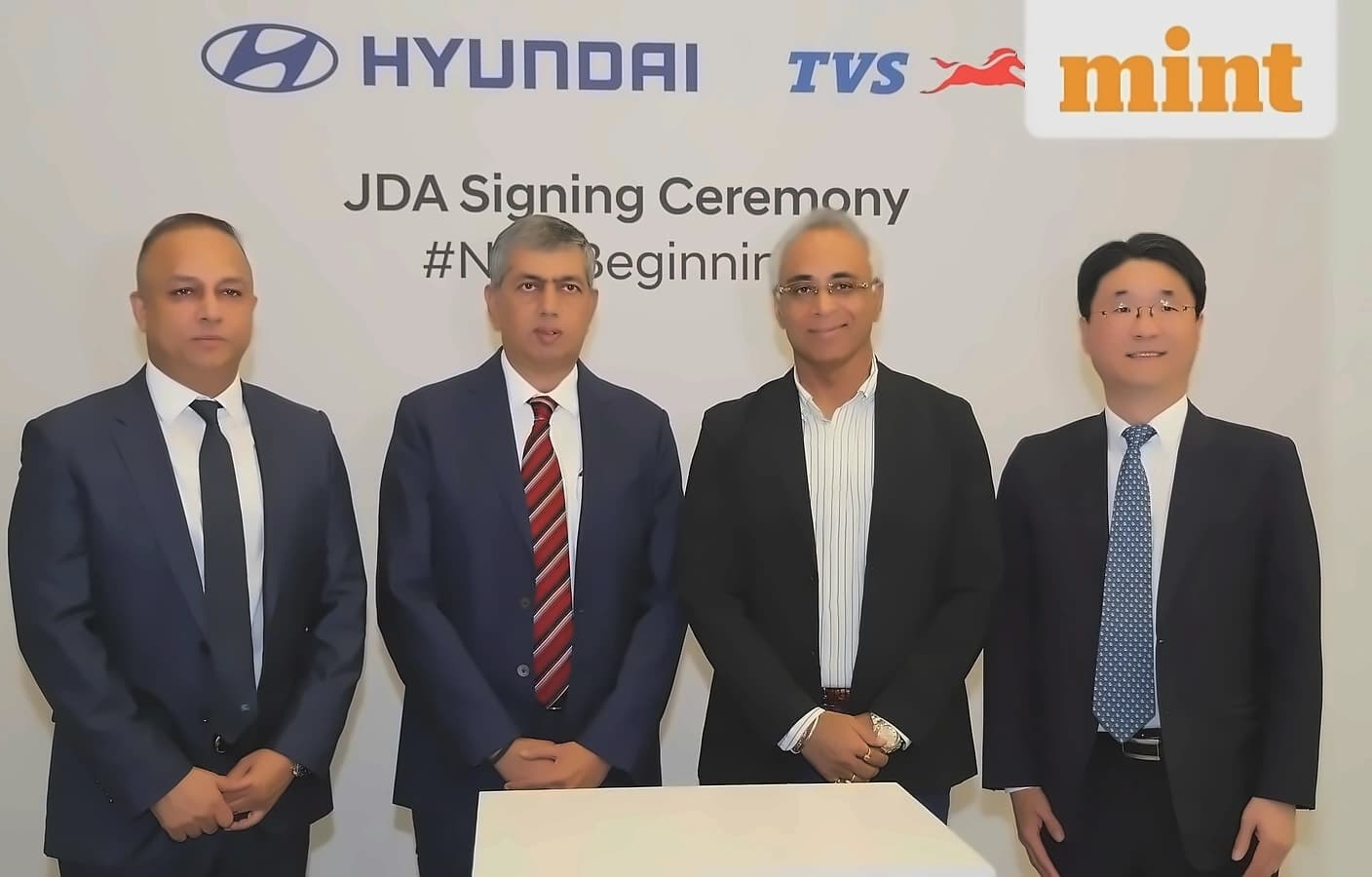
Hyundai-TVS electric mini-truck launch confirmed for 2027
Hyundai Motor India invests ₹15,000 cr total in Pune plant, capacity to hit 3.2L by 2030
Hyundai Motor India posts record 77,916 units in September, third monthly record

Hyundai Motor India shares surge 3.5% amid 22.55% OI spike

GAIL, Texmaco Rail, HBL Engineering: 3 stocks to buy today
Hyundai India launches localised EV SUV with ₹2 crore training investment
Hyundai Motor India targets 20% women execs by 2030
Hyundai targets 30% rural sales by 2030, EVs to hit 7-8% by FY27

Auto chiefs warn of tech import vulnerability, call for deeper localisation
Hyundai India sales jump 8.8% in August on record domestic demand

Hyundai Plans 1.27M Unit Capacity Expansion, 100+ New Models by 2030

Emkay Global raises Hyundai Motor India target to ₹2600
Hyundai appoints new global head as part of 2030 expansion strategy
Hyundai Motor India integrates Jio-bp EV charging network via myHyundai
Crisil reaffirms Hyundai Motor India's 'AAA' ratings at stable outlook

Hyundai's Price Hike Strategy: Margins Under Pressure

Hyundai shares gain 1.15% on 1% price hike, Nomura maintains 'Buy'

Hyundai Motor India's Q1 FY27: Fire, War, and the Road to Recovery

Hyundai Motor India: Fire, Fallout, and the Road to Recovery
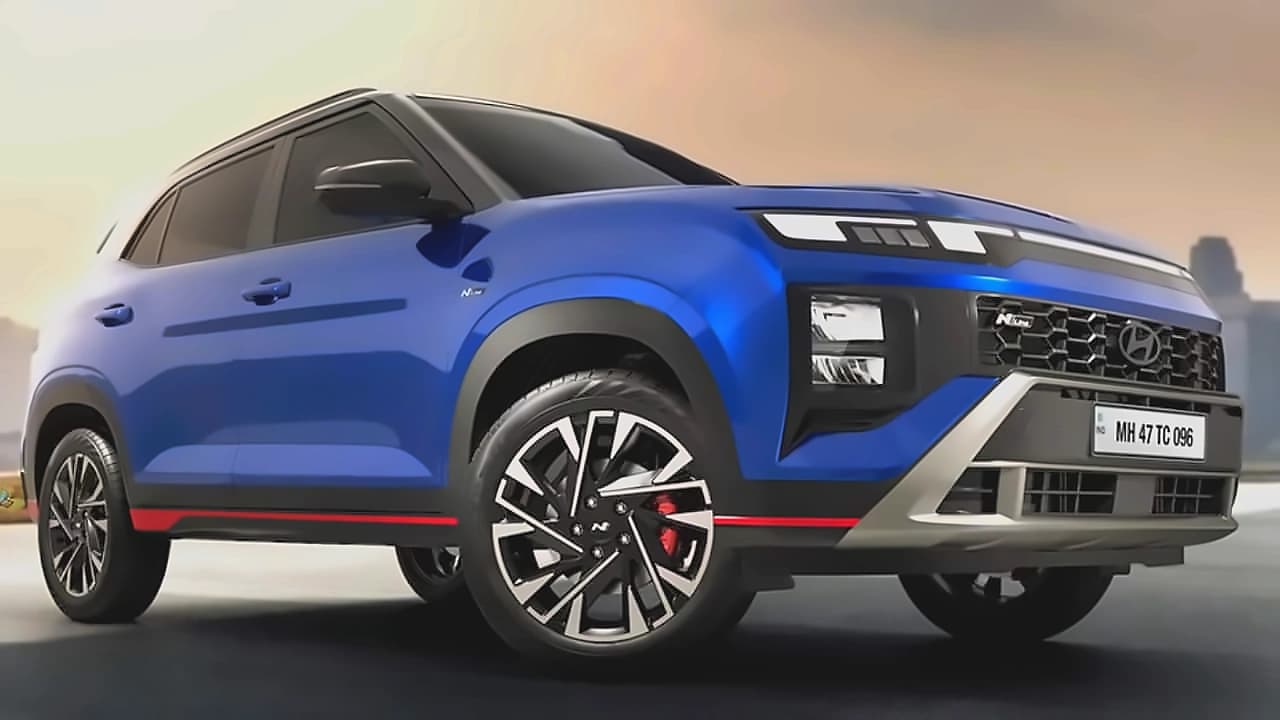
Hyundai Creta N Line gets price hike up to ₹1,300
The Quarter story
The two most recent quarterly results, compared side-by-side.
Hyundai Motor India sees strong domestic SUV demand and rising net worth, but faces margin compression from higher input and labor costs.
Domestic sales share grew from 72.4% in Q1 FY26 to 76.2% in Q1 FY27, showing strong local demand.
EBIT margin fell from 10.1% in Q1 FY26 to 5.8% in Q1 FY27, indicating pricing pressure.
SUV sales volume climbed from 90,531 units in Q1 FY26 to 97,456 units in Q1 FY27, confirming strong segment growth.
PAT margin dropped from 8.2% in Q1 FY26 to 5.4% in Q1 FY27, reflecting margin erosion.
Net worth increased from ₹176,588 Cr in Q1 FY26 to ₹208,737 Cr in Q1 FY27, confirming retained earnings growth.
Export sales volume declined from 48,140 units in Q1 FY26 to 38,708 units in Q1 FY27, signaling overseas demand weakness.
CNG vehicle share rose from 16% in Q1 FY26 to 18% in Q1 FY27, showing alternative fuel adoption.
Employee expenses rose from 3.8% in Q1 FY26 to 4.6% in Q1 FY27, signaling wage inflation.
Petrol vehicle share climbed from 63% in Q1 FY26 to 64% in Q1 FY27, confirming dominant fuel preference.
Material costs increased from 70.7% in Q1 FY26 to 72.6% in Q1 FY27, reflecting input price volatility.
Company insights, generated from the most recent coverage.
Hyundai calls the $15.5bn a commitment, not a cash infusion — the new-versus-previously-announced split against HMIL's ₹45,000 Cr FY26-FY30 plan is undisclosed, and part may be funded from HMIL's own cash flow. Headline FDI-inflow impact is likely overstated.
Only 1.73% of HMIL's input material was sourced directly from MSMEs or small producers in FY25. MSMEs reach Hyundai through Tier-2/Tier-3 vendors, so 'MSME beneficiary' claims on the $15.5bn plan overstate direct linkage.
The $15.5bn plan publishes no jobs, wage-bill, MSME or GDP/tax multiplier figures, and no annual capex phasing across 2026-2032. Any employment or FDI-inflow number circulating is an assumption, not a disclosure.