Hyundai Motor India just wrapped up Q4 FY2026 with numbers that would make most competitors jealous. The company sold 1,66,578 units domestically—the highest quarterly domestic sales in its history. That's an 8.5% jump from the same period last year. March 2026 was particularly sweet, with 55,064 domestic units rolling out of showrooms, marking the best March performance the company has ever seen since inception .
Total sales for the quarter hit 2,08,275 units, growing 8.7% year-on-year. Exports chipped in with 41,697 units, up 9.4%. On paper, this looks like unqualified success. But here's the thing—sometimes the headline numbers don't tell the whole story .
The Bigger Picture: A Historic Slide
Despite that stellar Q4 performance, Hyundai slipped to fourth position in FY2026 domestic passenger vehicle rankings. This is a big deal. The company had long held onto the No. 2 spot behind Maruti Suzuki. In FY2026, Hyundai sold 5,84,906 units—actually 2.3% less than the 5,98,666 units it moved in FY2025 .
Meanwhile, competitors were busy growing. Mahindra & Mahindra posted 20% growth to 6,60,276 units, while Tata Motors grew 14% to 6,41,587 units. Hyundai became the only manufacturer among the top four to post negative growth for the full fiscal year .
What's Going Wrong?
The Indian car market has fundamentally changed. SUVs now account for over 80% of all volume growth, representing 66% of the total passenger vehicle market in CY2025. This structural shift has exposed a weakness in Hyundai's strategy .
Hyundai's diversified portfolio—spanning hatchbacks, sedans, and SUVs—became a liability rather than an advantage. While the company maintained a broad product range, this breadth "has not translated into growth in a market where SUVs now dominate wholesale volumes" .
Mahindra's SUV-heavy portfolio and Tata's SUV-plus-EV strategy aligned perfectly with market trends. Hyundai's practical but diversified approach struggled to gain traction. Industry analysis suggests Hyundai's products are seen as "practical and feature-rich, but they lack the excitement and emotional appeal that many car buyers crave." Models like Mahindra's Scorpio and Thar are perceived as "fun and adventurous," creating stronger emotional connections with buyers .
The EV Gap
Hyundai's electric vehicle strategy also lagged behind. The EV segment became a critical growth driver, with Tata Motors maintaining dominance in EV sales. Tata's combination of internal combustion engine SUVs and mass-market EVs provided a "unique advantage that few rivals currently enjoy" .
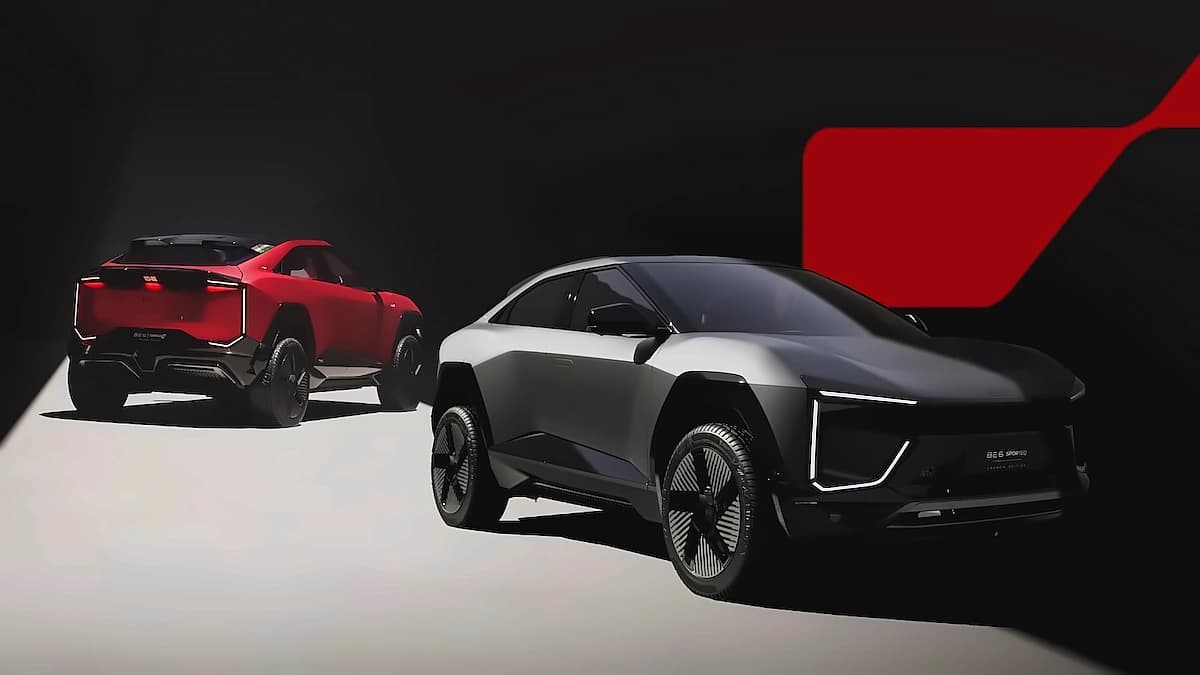
Despite having the Creta Electric, Hyundai's EV strategy was less aggressive compared to Tata's focused approach and Mahindra's "Born Electric SUV portfolio" .
Capacity Expansion Growing Pains
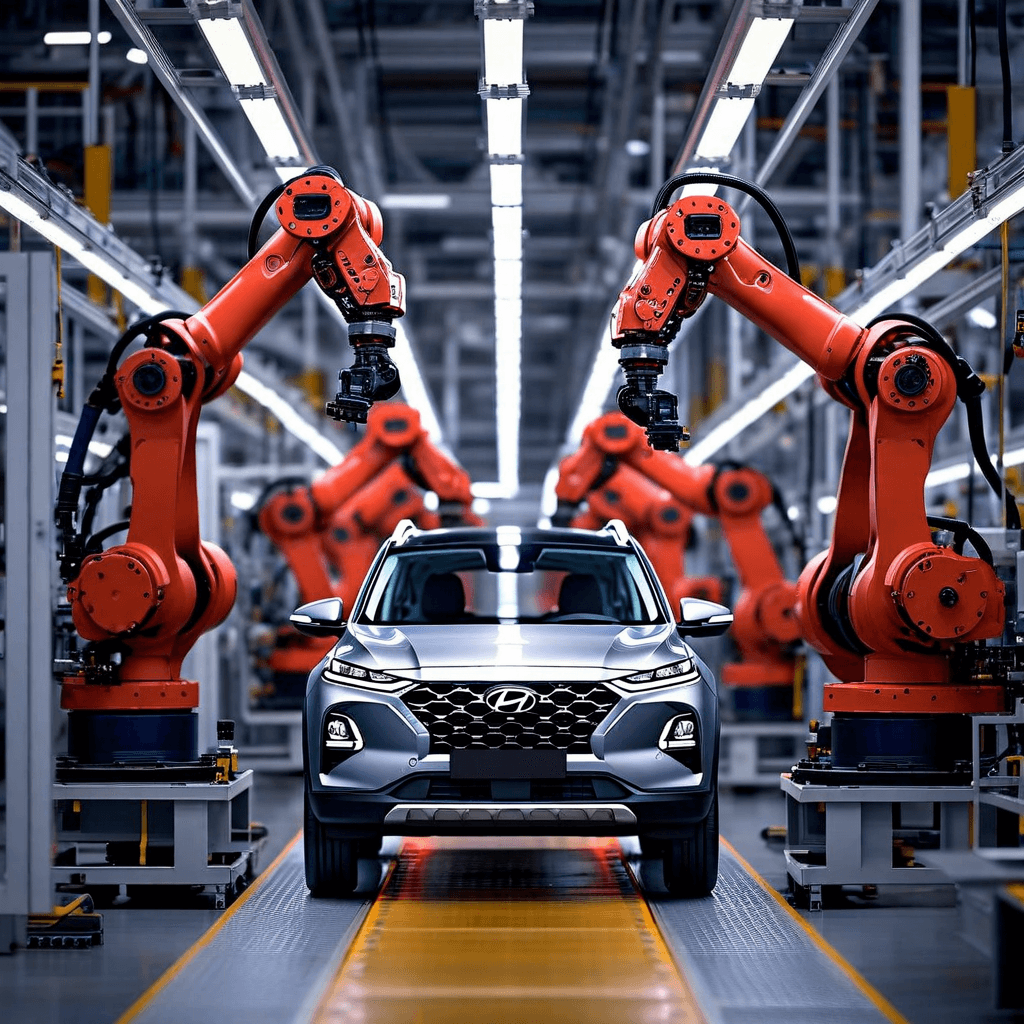
Hyundai's manufacturing footprint is undergoing significant transformation. The company has a new Pune plant that's already crossed 90% utilization following the transfer of New Venue production. This accelerated ramp-up has created both opportunities and challenges .
The positive side: production flexibility, strategic hub positioning for domestic demand and exports, and process benchmarking opportunities. The downside: the accelerated Pune ramp-up has "temporarily reduced utilisation at the Chennai plant, increasing per-unit processing costs due to partial fixed-overhead absorption" .
Management estimates this margin impact at approximately 100 basis points, with normalization expected within about a year as output volumes at both locations stabilize .
The Margin Trade-off
To achieve that 8.7% sales hike in Q4, Hyundai likely made some strategic trade-offs. The company reduced discounts from 3.2% of average selling price (ASP) in Q2 FY26 to 2.6% in Q3 FY26, likely maintaining or further optimizing these levels in Q4. This discount reduction strategy improved realizations while maintaining volume growth .
A 5% YoY ASP improvement came from strong product mix and prudent pricing. With SUVs making up 70% of domestic sales, Hyundai benefited from higher ASPs compared to hatchbacks and sedans InvestorPresentations.
But margins faced pressure from commodity price inflation—rising costs of precious metals, copper, and aluminum—along with Pune plant startup costs. The net assessment suggests the 8.7% sales growth was likely achieved with stable to slightly improved margins compared to Q3, but margins likely remained below Q2 FY26 levels of 13.9% EBITDA margin due to ongoing Pune plant costs .
What Comes Next
Hyundai isn't sitting still. The company has outlined an ambitious product roadmap with eight launches planned in FY2027 and FY2028. This includes the third-generation Creta expected in Q3 2027, an all-new MPV, and an off-road SUV entry .
By 2030, Hyundai plans 26 new vehicles including 7 all-new nameplates designed specifically for India. The final portfolio mix targets 13 ICE models, 5 EVs, 8 hybrids, and 6 CNG models—with more than 50% of the portfolio comprising eco-friendly vehicles .
The company is backing this with serious money: ₹20,000 crore for EV investments over 8-10 years, and INR 45,000 crore for a five-year growth strategy including capacity expansion to 1.1 million units by 2028 .
The Bottom Line
Hyundai's record Q4 performance proves the company can still move metal when it gets the product mix and pricing right. The strong demand validates aspects of its strategy. But the full-year slide to fourth position reveals deeper structural challenges in an SUV-dominated market where competitors have found better alignment with consumer preferences.
The company faces a dual challenge: scaling production to meet demand while managing cost structures from new plant investments and competitive pricing pressures. Management remains "mindful of prevailing geopolitical uncertainties" while being "well-prepared for a strong FY2026-27" .
The strategic imperative for FY2027 is clear: Hyundai must execute its product launch and investment strategy while managing the margin trade-offs inherent in capacity expansion and competitive positioning. The strong Q4 performance provides the foundation, but successful execution will determine whether Hyundai can regain its No. 2 market position while maintaining healthy profitability.