A consolidated view of market events, assembled from diverse sources.

HSBC reported strong Q3 results with pretax profit rising 32% to $9.63 billion, driven by higher interest rates and lower expected credit losses, though total revenue of $18.6 billion missed analyst expectations of $19 billion. The bank maintained its $1 billion share buyback program and declared a $0.10 interim dividend, while demonstrating cost discipline with 12% year-on-year reduction in operating expenses.
JPMorgan warns that AI companies can no longer rely solely on their business model to secure financing, as lenders demand concrete evidence of financial viability amid surging credit default swap costs. Record-high CDS spreads for major AI firms like CoreWeave and Oracle signal near 50% default probabilities, with companies like Amazon and SoftBank facing billions in debt obligations tied to AI investments.

China's central bank has launched the Bond Market NBFI Swap Facility (BNSF) to help nonbank investment firms manage large redemptions during systemic stress periods. The facility allows eligible institutions to borrow central bank bills and use them to purchase bonds or fund units facing redemptions, which can then be pledged to the PBOC for additional support.

The S&P 500 has reached record earnings of $414.41 per share driven by AI boom and Iran war benefits, with forward estimates of $424.56 for 2027, though analysts warn of narrow concentration risks and consumer sector pressures from inflation outpacing wage growth.


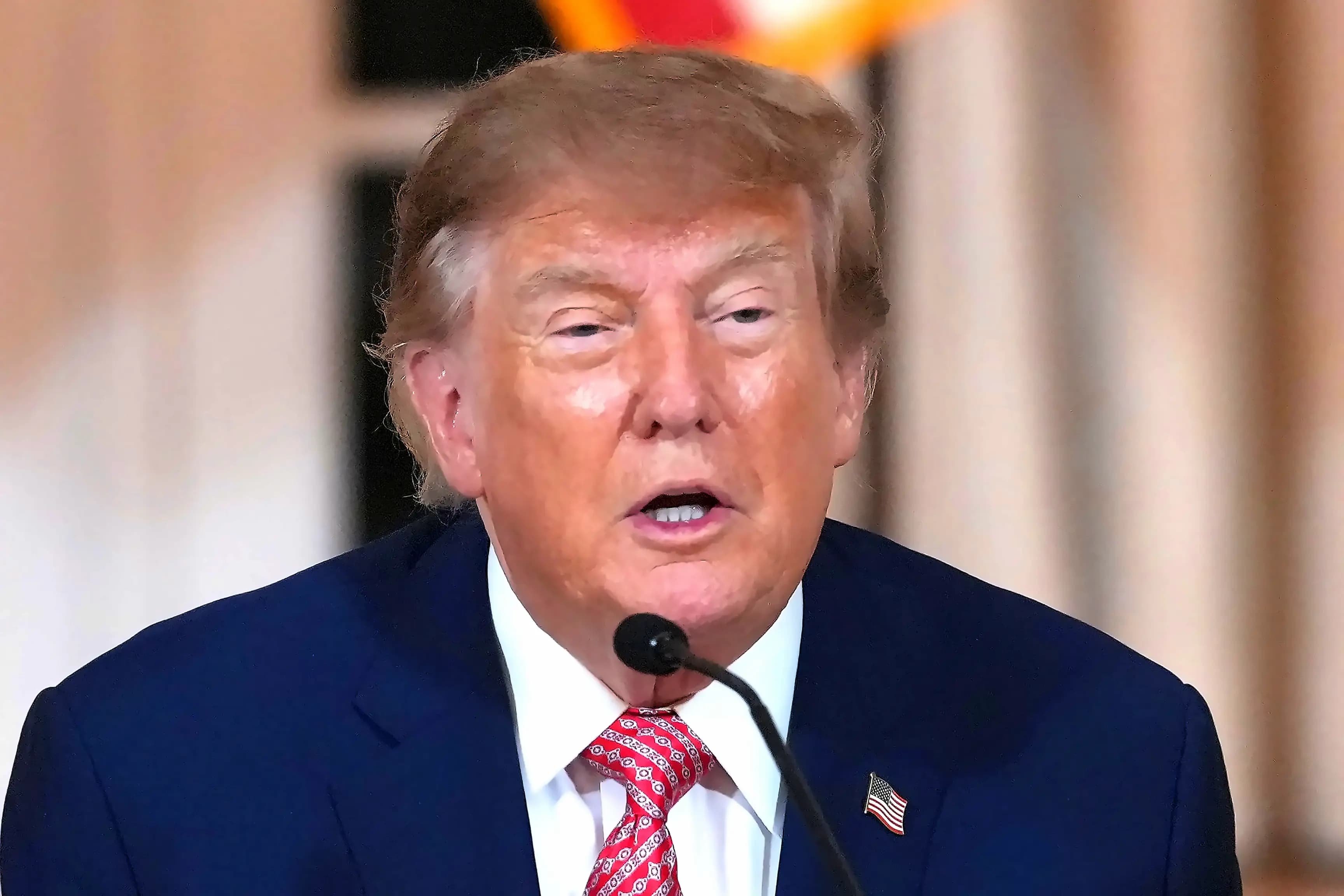
President Trump predicted a quick resolution to the US-Canada tariff dispute during a Michigan rally, claiming Canada has been 'ripping off' the US with $90 billion in annual trade advantages. The comments came amid growing concerns from Michigan Republicans about the impact of tariffs on the state's auto industry, which has felt the effects of the trade standoff between the two countries.

Brazil's stock market crashed over 23% at opening following President Luiz Inácio Lula da Silva's surprise reelection to a historic fourth term, with trading halted for 30 minutes due to circuit breaker rules. The selloff was driven by investor concerns over Lula's fiscal discipline commitments, with Brazil's sovereign debt facing pressure as the country's public debt exceeds 82% of GDP and household defaults at record highs.

The Federal Reserve's September rate hike to 3.75%-4.00% has pushed 10-year Treasury yields above 5.3%, the highest since 2007, while strong economic indicators show ISM Services PMI at 54.9 and manufacturing at 54.5. Despite robust activity levels, the correlation between economic growth and inflation remains weak at 0.55, suggesting rising rates could trigger economic troubles between late 2027 and mid-2028, with over-tightening risks already elevated due to the bond market's aggressive tightening.
The US State Department is reducing staffing at four Middle Eastern embassies - Jordan, Lebanon, Qatar, and the UAE - following intelligence that Iran has escalated efforts to target American personnel. Director of National Intelligence Jay Clayton warned in a memo to Secretary Marco Rubio that Iranian lethal plotting against US citizens has reached advanced stages, prompting the diplomatic security measures across the region.

Prime Minister Narendra Modi and Russian President Vladimir Putin have set ambitious targets to increase bilateral trade to $100 billion and two-way investment to $50 billion by 2030, as revealed by Indian Ambassador Vinay Kumar. The leaders discussed these goals during the BRICS summit in New Delhi on September 12-13, with plans to expand cooperation in trade, commerce, and skilled labor supply.

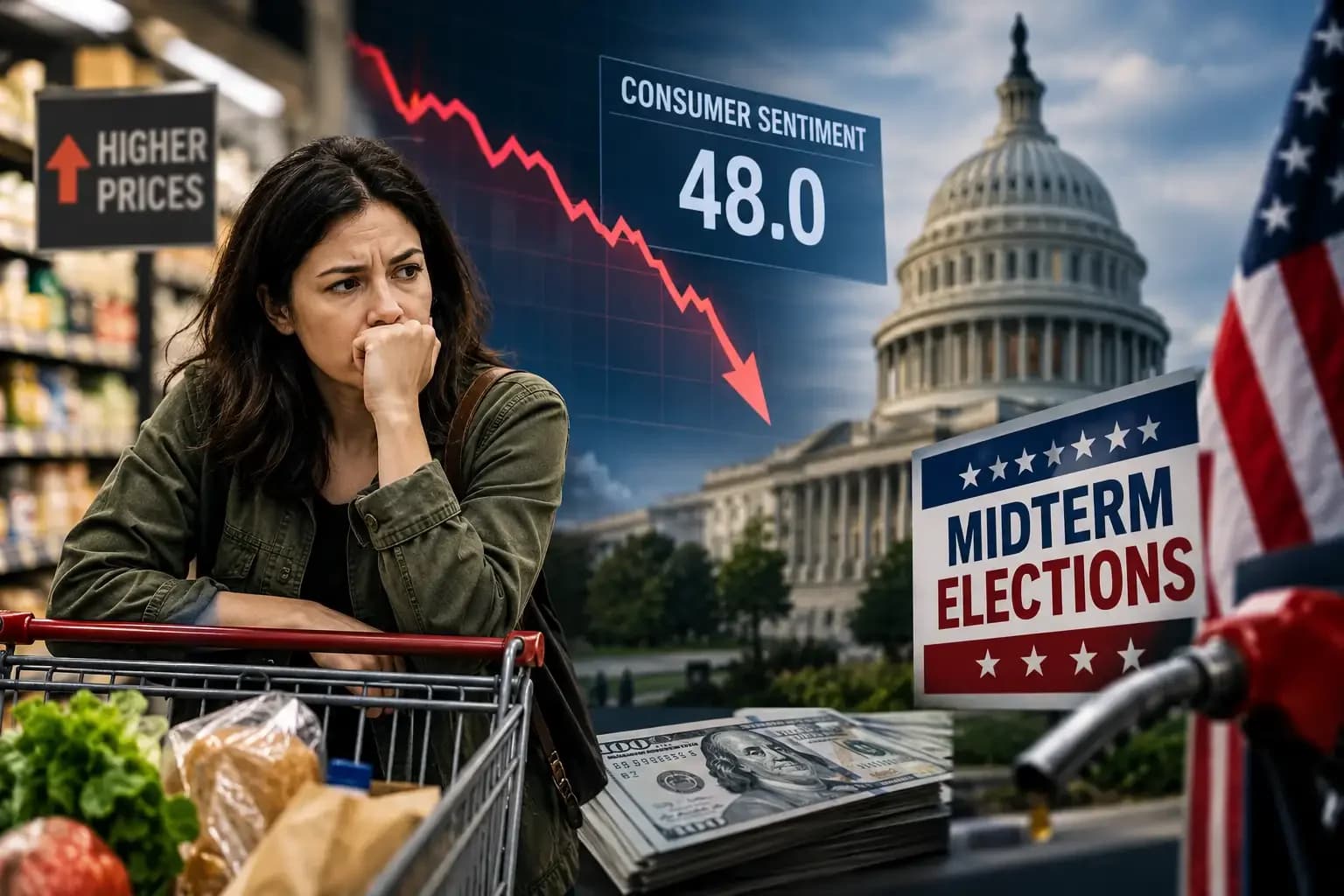
US consumer sentiment remained near record lows at 48.0 in October, just above May's record low of 44.8, as rising gas prices (now $4.29/gallon) and high borrowing costs continued to weigh on households. Independent voters showed the steepest decline, with sentiment dropping to 42.4 from 47.7 in September, while 85% of consumers view housing as a bad time to buy amid rising mortgage rates.