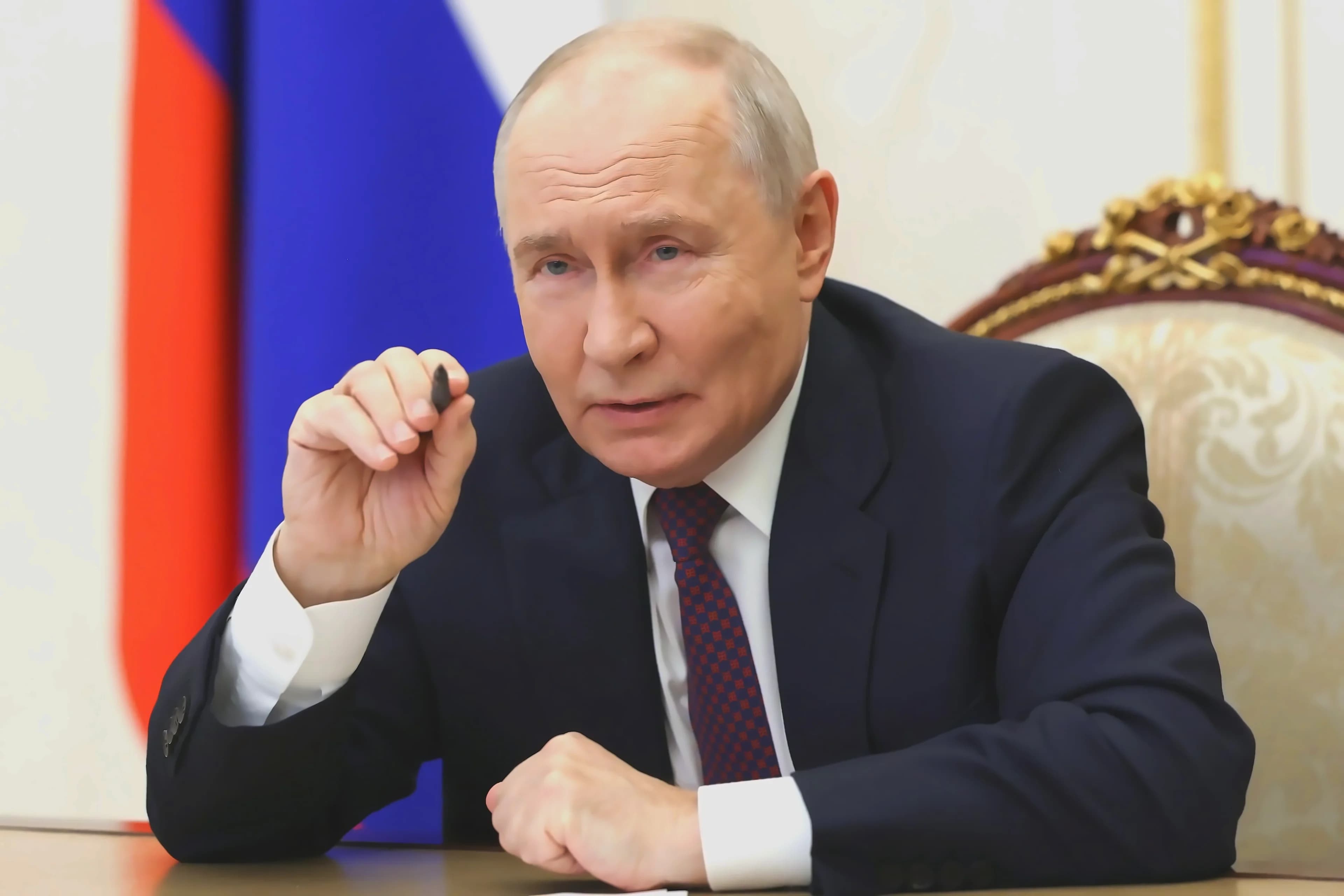
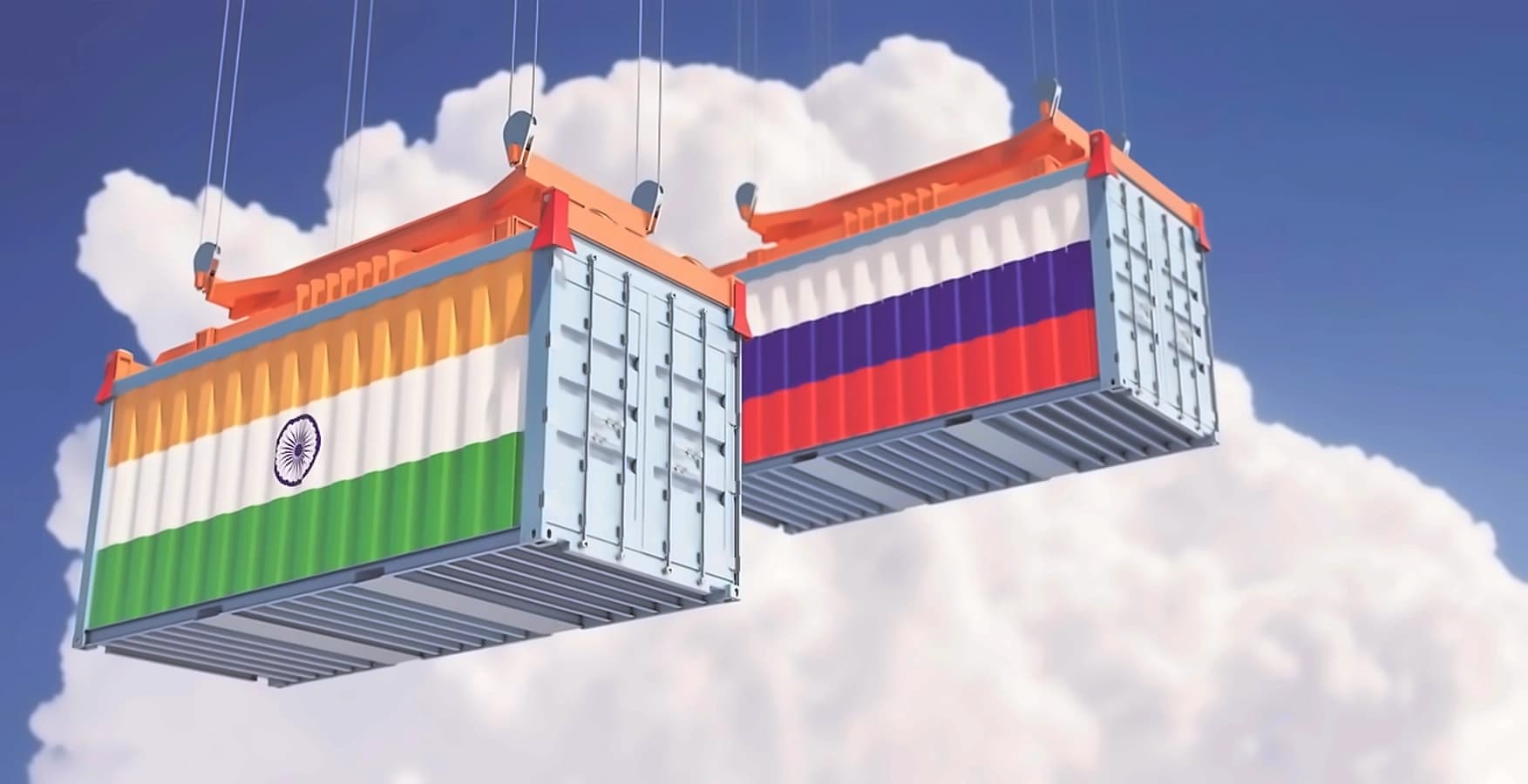
Prime Minister Narendra Modi and Russian President Vladimir Putin have directed their governments to further expand bilateral cooperation, with India and Russia aiming to increase bilateral trade to $100 billion and two-way investment to $50 billion by 2030. According to reports from Business Standard, Indian envoy Ambassador Vinay Kumar revealed these targets during an interview with Russian news agency TASS published on Saturday (October 24, 2026). The leaders discussed the full range of bilateral relations on the sidelines of the BRICS summit in New Delhi on September 12-13. Kumar emphasized that "We are continuing to deepen our relations, seeking to reach $100 billion in bilateral trade and about $50 billion in mutual investment by 2030" as reported by TASS.
As reported by Business Standard, Kumar highlighted that one of the concrete results of the cooperation was the joint participation of the leaders of our countries in the BRICS business summit. The leaders also visited the Innoprom-India exhibition - the first Russian industrial exhibition held in New Delhi. Kumar noted that the leaders had directed relevant ministries and agencies to further develop cooperation, including in trade and commerce.
According to Business Standard, on labour cooperation, Kumar said India aimed to supply Russia with the required number of skilled workers in line with its needs. Indians account for around 25 to 30 per cent of Russia's quota for foreign workers, he said. Kumar noted that India, with a population of nearly 1.5 billion, was set to become a global centre for skilled personnel. The average age of India's workforce is 29 years, and workers account for about 69 per cent of the population. As reported by TASS, India is ready to provide qualified workers to meet Russia's industry requirements by training specialists.
As reported by Business Standard, Kumar said India trains specialists for its domestic market as well as for employment overseas. New Delhi had proposed that Russia establish educational institutions in India or collaborate with existing Indian institutions to train workers needed by Russian industries. This educational partnership framework represents a significant component of the broader bilateral cooperation strategy between the two nations, with the leaders reviewing these plans during their recent meeting at the BRICS summit.