Brazilians voted on Sunday in a tense presidential runoff that will determine whether the U.S. will significantly expand its growing influence in Latin America. The election pits leftist President Luiz Inácio Lula da Silva against right-wing Senator Flávio Bolsonaro, the son of convicted former President Jair Bolsonaro. According to reports from Associated Press, Flávio Bolsonaro scored a major upset by defying pollsters to lead the voting in the first round with 47% of ballots, while Lula trailed with 45%. The younger Bolsonaro bested Lula by more than 2.2 million votes in this month's first round, but neither candidate won an outright majority, setting up Sunday's decisive runoff. Polls ahead of the vote showed the two candidates in a neck-and-neck race, with both needing more than 50% of the vote to become Brazil's next leader in January. More than 33 million voters out of nearly 160 million abstained in the first round, highlighting the polarized nature of the electorate despite voting being compulsory.
A victory for Bolsonaro, 45, would extend a wave of right-wing victories for Latin American candidates friendly to US President Donald Trump, while a fourth mandate for Lula would disappoint Washington, which has clashed with his government over trade and security. As reported by Associated Press, Trump has called the case against Jair Bolsonaro a "witch hunt" and imposed a 50% tariff on Brazil in 2025, explicitly linked to the former president's trial. Trump has also unleashed new levies against Brazil this year, citing unfair trade practices. Lula has cast the Trump administration's proximity to the Bolsonaro clan as part of an attempt to sway the election, while labelling tariffs and other punitive measures as bullying. A Bolsonaro victory would add Brazil to a list of Latin American countries – including Argentina, Chile, Colombia, Costa Rica and Peru – that have elected Trump-friendly governments in recent years. A win for Bolsonaro would signify a pivot to the right by Latin America's most populous country and its largest economy, in a year when Trump allies have notched up victories in Chile, Peru and Colombia.
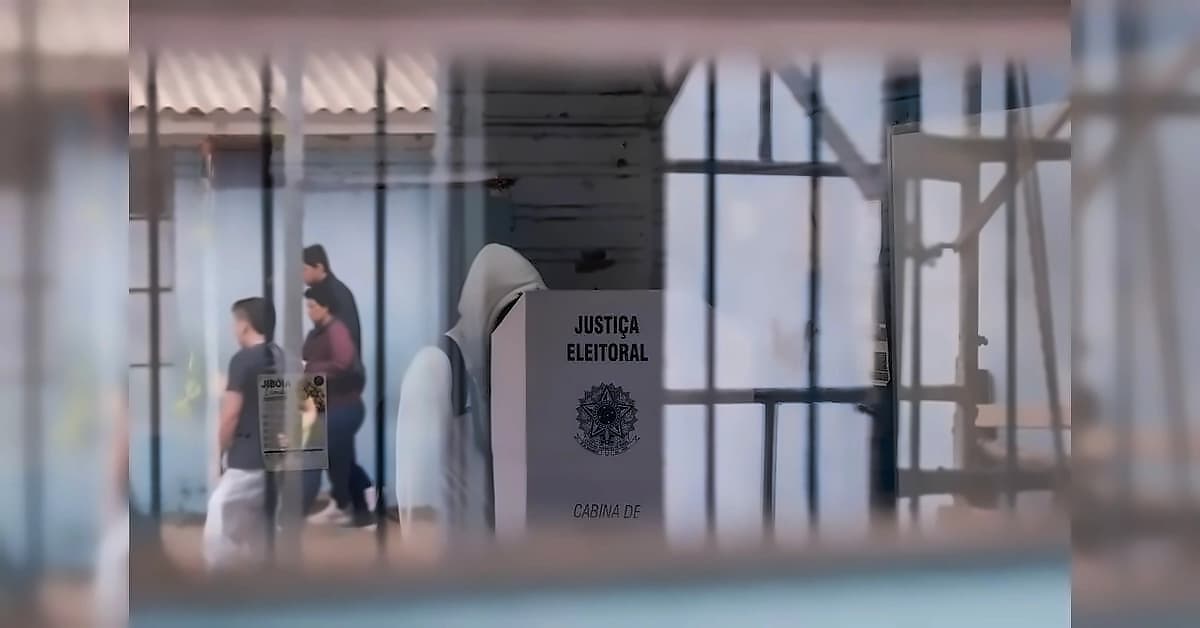
The election has been dominated by corruption scandals, economic anxiety and accusations of US meddling, which Washington denies. According to Associated Press, on economic issues, despite falling inequality and unemployment, Lula has struggled to win over an electorate grappling with high living costs and heavy household debt. Endemic gang violence also weighs on voters' minds. Bolsonaro has sought to capitalize on cost-of-living concerns and has promised a heavy-handed approach to fighting crime, pledging maximum-security jails and chemical castration for serious sexual offences. A 60-year-old lawyer in Sao Paulo who voted for Lula said his victory would be a way of standing up to Trump and what she described as a rising wave of fascism. In the lead-up to the vote, Lula frequently portrayed Bolsonaro, whose father is under house arrest for attempting a coup, as a threat to democracy. Bolsonaro has promised to seek an amnesty for his father if elected.
Environmental issues have emerged as a key campaign concern, with Brazil playing a vital role in mitigating global warming by protecting the Amazon rainforest, but deforestation hit a record high during Bolsonaro's presidency. His son has likewise denied human-caused climate change, committing only to stopping illegal deforestation. Senator Bolsonaro's admission that he accepted about $12 million from disgraced former banker Daniel Vorcaro to produce a film on his father's life has cast a shadow over his campaign. He is under investigation for corruption, money laundering and tax evasion in connection with the case. Lula has repeatedly warned the US not to meddle in Brazil's elections and has made defending Brazil's sovereignty a key campaign issue. The next president will name at least three Supreme Court justices out of 11 due to upcoming retirements, with Bolsonaro long taking aim at the country's top court and promising judiciary reform.
Bolsonaro's first-round success sent Brazil's markets and currency soaring on expectations of pro-business reforms. As reported by Associated Press, his first-round success was mirrored in congressional elections for his Liberal Party and other right-wing politicians, which could pave a legislative path for him or complicate governance for Lula. The senator's victory would bring Brazil closer to the United States as part of a broader conservative shift across the region. Trump has so far declined to endorse a candidate, telling reporters in Washington that "we are watching" but declining to say who he hoped would win. Brazil also held its first round of voting for state and federal lawmakers on October 4, with governors in five states and the federal district joining Lula and Bolsonaro on runoff ballots. In recent days, Lula has invested in costly incentives to lure undecided voters, including endorsing a debt relief program for small businesses and promising free public transportation on weekends, with the Senate's approval of the end of the six-day working week adding to his appeal.