



A consolidated view of market events, assembled from diverse sources.

Malaysian exporters are converting foreign-currency earnings into ringgit, with foreign-currency deposits falling 8.6% to 308 billion ringgit in August, signaling potential ringgit strength ahead. BNP Paribas projects the ringgit could reach 3.90 per dollar by June 2027, supported by strong semiconductor exports and foreign investment inflows into Malaysia's data center sector.
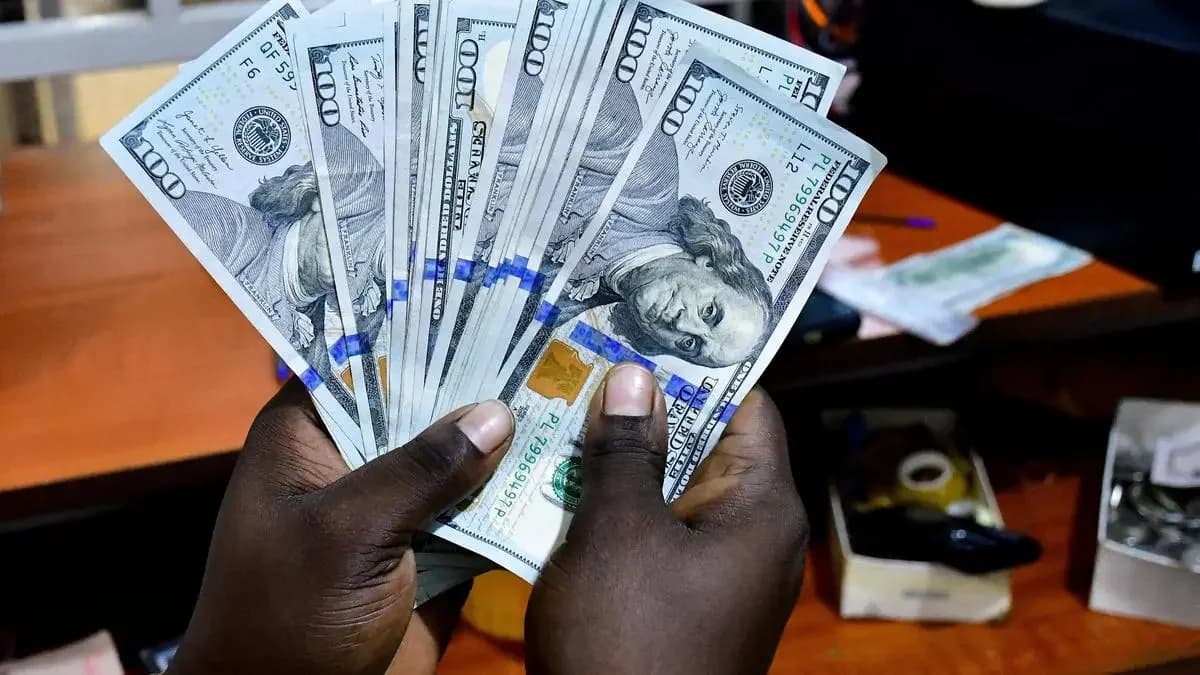
The US dollar surged to its highest level in over a year as September inflation data showed consumer prices rising 3.7% year-on-year, exceeding expectations and boosting bets on Federal Reserve rate hikes. The Bloomberg Dollar Spot Index rose 0.5% to its strongest level since May 2025, with markets now pricing in two Fed hikes by January and Citi revising its forecast to expect a December rate increase.

Venezuelan business elites oppose dollarization of the bolivar, believing it would eliminate Venezuela's ability to devalue its currency and make the country uncompetitive. However, Professor Steve Hanke argues that Venezuela's massive 99.9999% devaluation since 2007 has failed to boost competitiveness, while Ecuador's successful dollarization since 2000 has led to 7.1% annual export growth and diversified economic transformation.

The Reserve Bank of India has introduced strategic currency-stabilisation measures including a special dollar supply window for oil marketing companies and tighter forex derivative regulations to address rupee volatility. While these measures may provide temporary relief to families planning overseas education, the rupee's 4.9% depreciation against the dollar this year has significantly increased the cost of international education, with experts recommending a 5-10% currency buffer to manage exchange rate risks.


The US Dollar Index retreated from an 18-month high to 102.06 on Thursday as traders scaled back expectations of an October Federal Reserve rate hike following hotter-than-expected CPI data. GBP/USD held near 1.3200 while the euro bounced 0.3% to $1.1187, with sterling recovering from a 13-month low as Fed officials signaled patience ahead of the October 27-28 meeting.

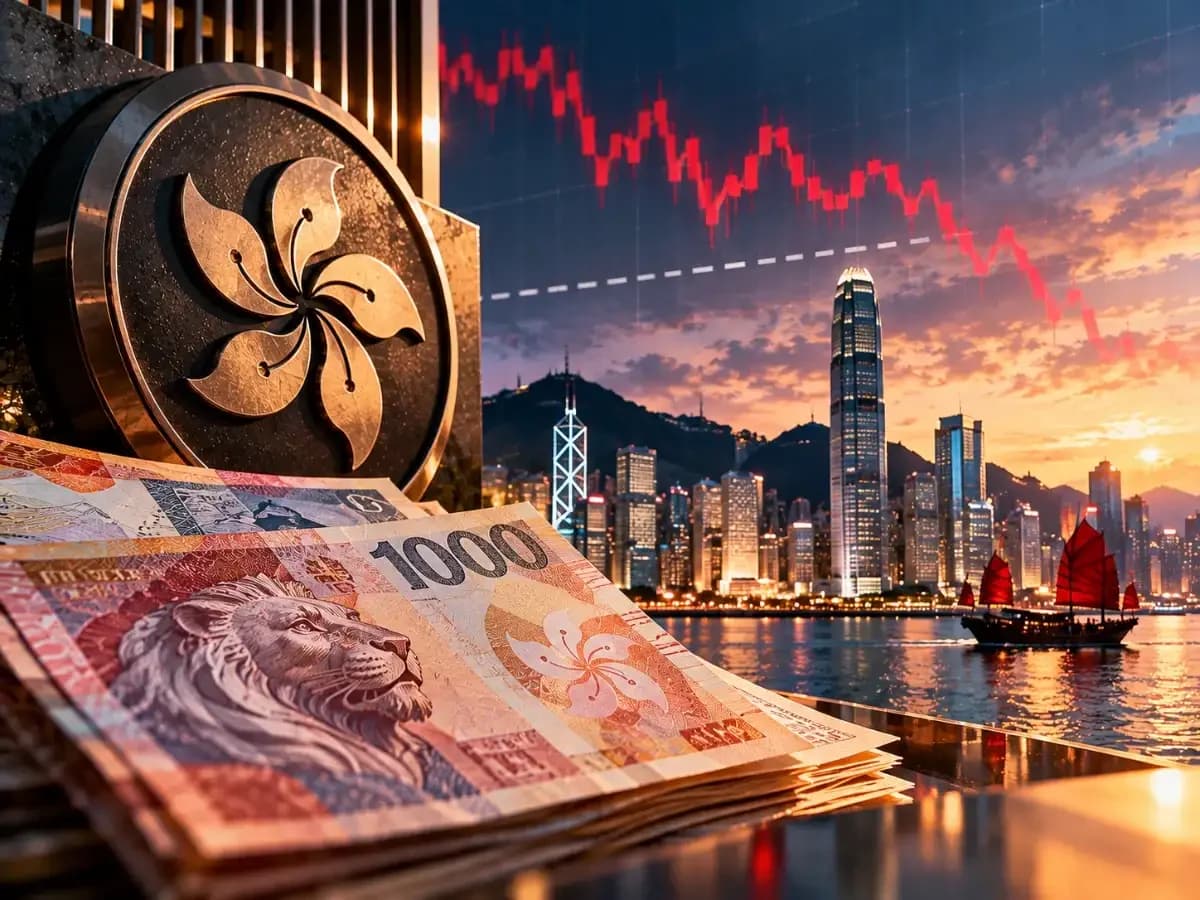
The Hong Kong dollar traded near its weak band limit of 7.85 per US dollar on Tuesday, raising intervention risks from the Hong Kong Monetary Authority. Currency defenses have drained interbank reserves to HK$54 billion, pushing up borrowing costs and creating volatility in Hong Kong's interest rate environment amid broader market pressures.

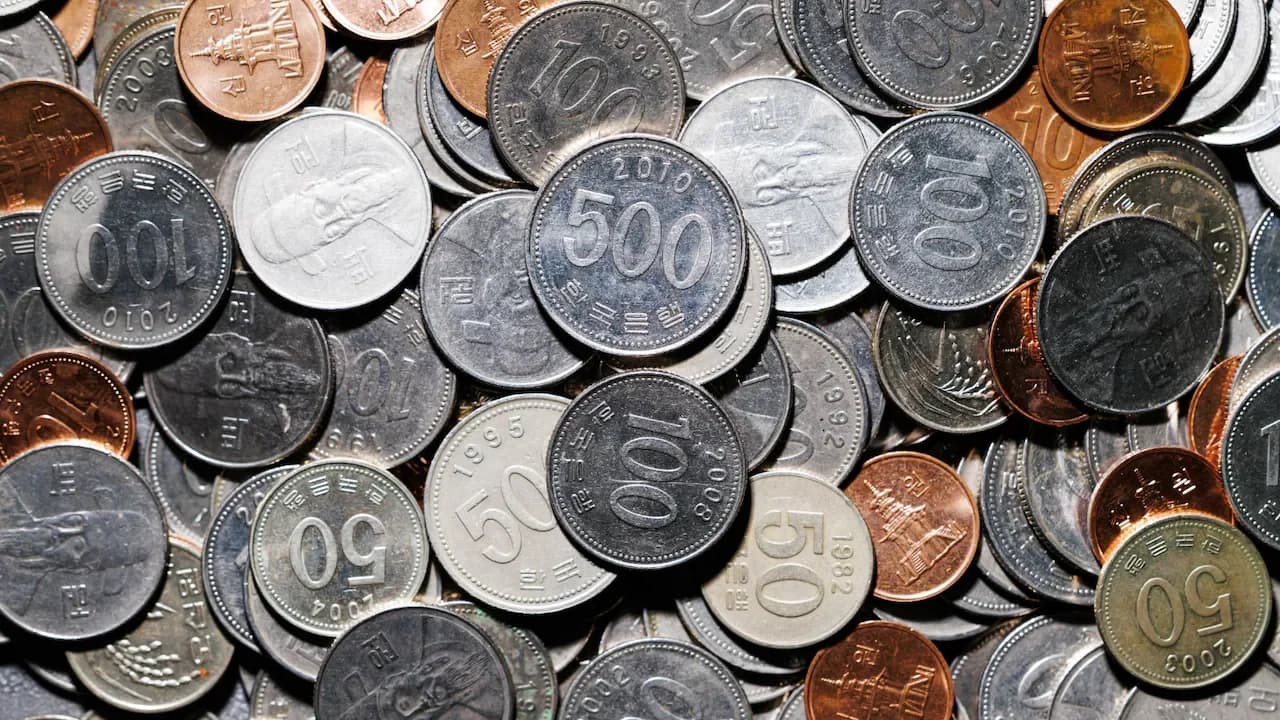
South Korea's won surged to a two-year high on Monday, rising 0.8% to 1,333.30 against the dollar, driven by lower oil prices and heavy dollar selling by local companies, particularly chipmakers. The currency has gained 7.7% year-to-date, swinging from Asia's worst-performing currency in the first half to its best in the second half on strong exports and corporate dollar selling.

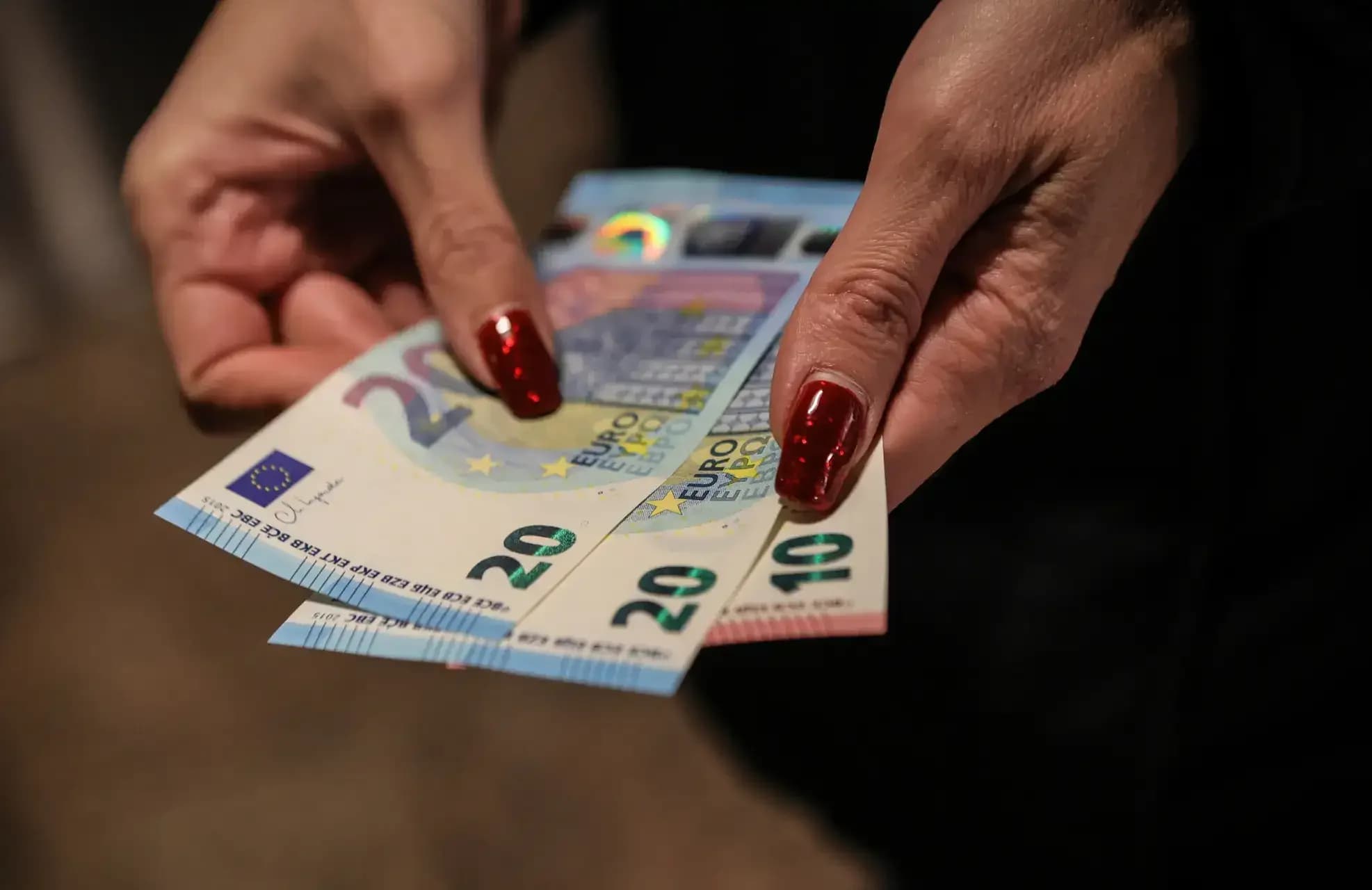
The euro is experiencing its fifth consecutive weekly decline, hitting a 17-month low of $1.1161 amid concerns over France's record debt levels and political instability, while four key pressures including oil price volatility and European fiscal challenges continue to weigh on the currency. Despite recent recovery to $1.1198, technical analysis suggests the euro remains vulnerable to further downside, with critical support levels at 1.1110 and potential decline toward 1.08 if current resistance breaks.

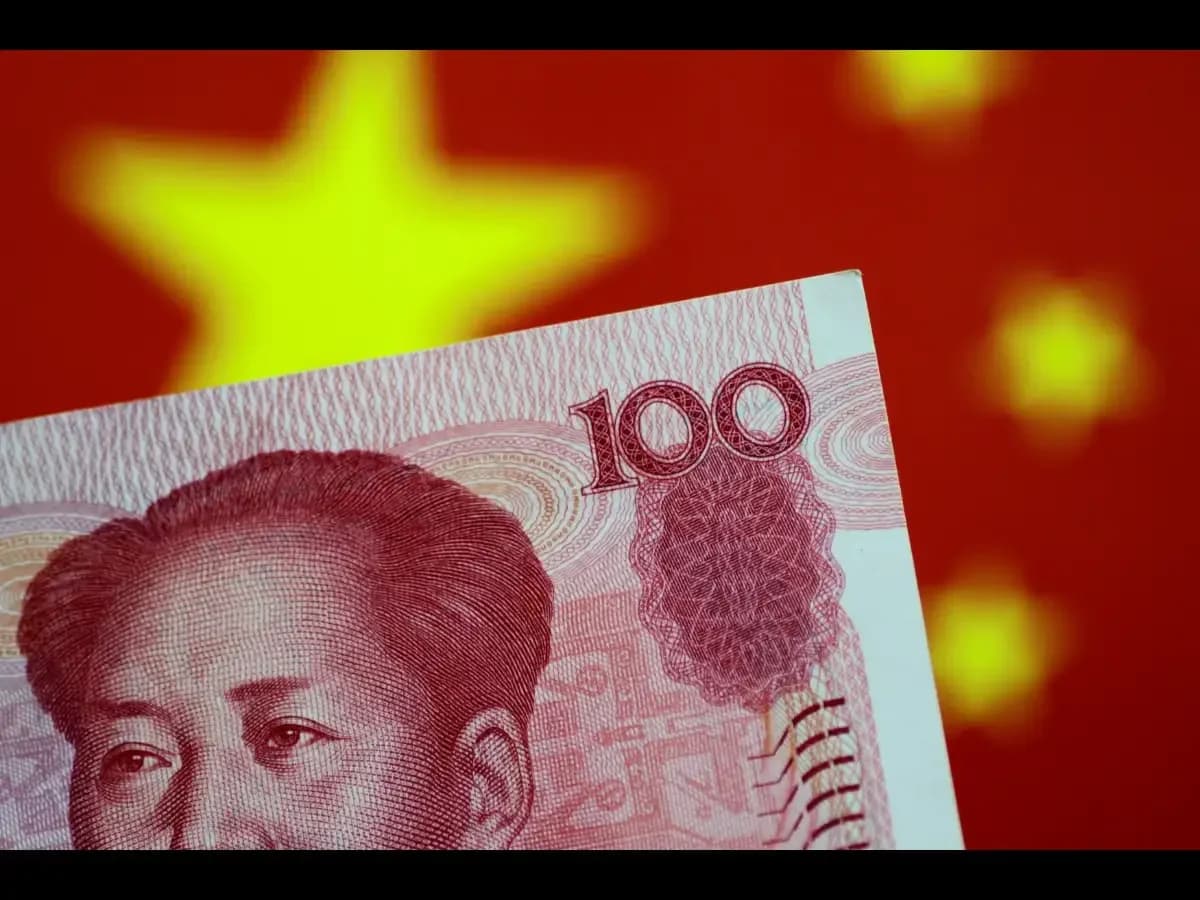
Goldman Sachs has upgraded its yuan forecast to 6.40 per dollar within a year, citing 20-25% undervaluation estimates and China's record $1.2 trillion trade surplus in 2025. The yuan has already gained over 8% against the euro this year, reaching three-year highs near 6.69 per dollar, though dollar strength and trade tensions with Europe continue to limit further gains.

The US Dollar Index reached 18-month highs at 102.58 amid rising geopolitical tensions in the Middle East and Ukraine, while the Indian rupee faces pressure from sustained foreign portfolio outflows and higher US interest rates. Market experts warn that a strong dollar could encourage foreign investors to shift capital toward US assets, potentially weakening the rupee and pressuring Indian equity markets including the Sensex and Nifty 50.