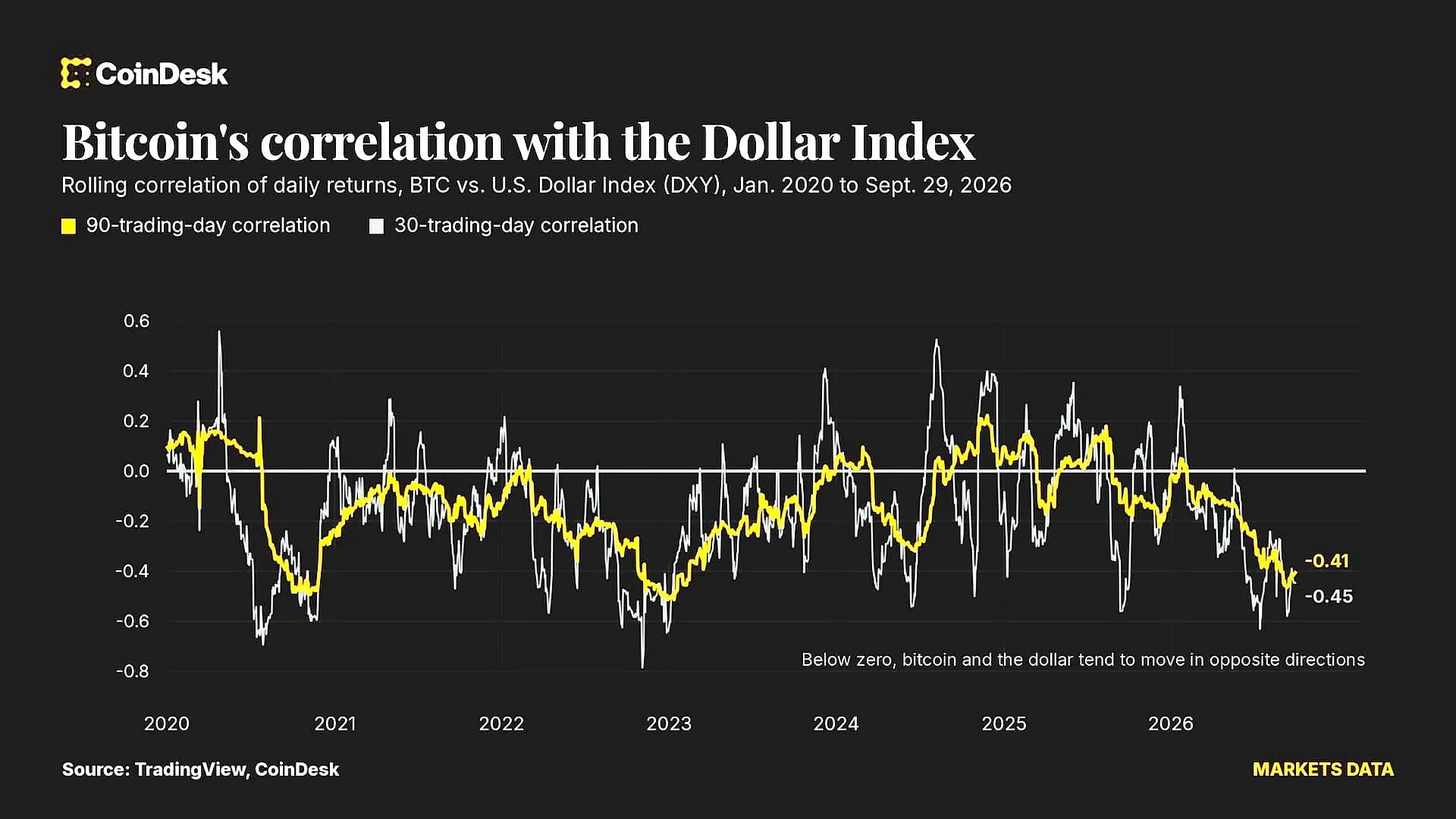
The US Dollar Index (DXY) rose 0.37% to 102.58 on Monday, maintaining its position at the highest levels since April 2025 after closing up 0.3% on Monday. According to Reuters, geopolitical risks have risen after renewed attacks on energy infrastructure in the Middle East and Ukraine, with the currency benefiting from higher relative interest rates, stronger US growth and increasing demand for defensive USD exposure. Escalating attacks in the Middle East over the weekend kept investors on edge ahead of key US inflation data due later this week. GBP/USD trades steady at $1.3209 in Asian session, hovering close to the weakest level since late June and testing the lower end of its recent consolidation range. The September meeting minutes showed broad support within the Federal Reserve for the 25-basis-point rate hike, while the majority of policymakers also saw another rate hike before the end of the year. As per Pepperstone Group Ltd head of research Chris Weston, "The combination of higher relative interest rates, stronger US growth and increasing demand for defensive USD exposure continues to provide a powerful set of tailwinds for the greenback."
According to market experts, for Indian equity markets, including the Sensex and Nifty 50, a strong dollar could pose a fresh challenge by encouraging foreign investors to shift money towards US assets, putting pressure on FPI flows and weakening the rupee. Anuj Gupta, SEBI-registered research analyst, noted that sustained foreign portfolio outflows indicate cautious investor sentiment towards the Indian market, while higher US interest rates and Treasury yields are making dollar-denominated assets more attractive. Seema Srivastava, senior research analyst at SMC Global Securities, said a sharply appreciating dollar against the Indian rupee can create significant pressure on benchmark indices such as the Sensex and Nifty. Foreign institutional investors may withdraw funds from emerging markets to invest in safer, higher-yielding US assets, triggering broad-based selling in Indian equities. Exporters enjoy margin expansions, whereas import-reliant and domestic-focused sectors absorb the brunt of rising currency and energy costs. Sachdeva added that a decisive breakdown below 101.50, particularly if accompanied by easing US bond yields and moderation in crude oil prices, could provide much-needed relief to emerging-market currencies.

As reported by Investing.com India, GBP/USD has fallen sharply from the 1.3675 August peak, with the pair's largely sideways movement over roughly the past two weeks viewed as a consolidation phase within a broader downtrend that started from the August swing high. The upper boundary of this consolidation band aligns with the 100-period Simple Moving Average on the 4-hour chart, indicating that upside attempts remain vulnerable while the broader bias tilts lower. Technical indicators show RSI at 41.7, below the 50 midline, with MACD in negative territory and slightly contracting profile. Sellers will look to break below the 1.3180 support zone, with a break below 1.3150 opening the door to 1.31 and then 1.30. Any recovery would first need to retake 1.3275, a level rejected yesterday, followed by 1.3340, 1.34, and the 200 EMA.
According to Reuters, the euro was flat at $1.1159 while the British pound remained steady at $1.3209, both showing resilience against the strengthening dollar despite shifting market dynamics. Against the yen, the US dollar was 0.1% weaker at 158.435 yen after the release of data from the Bank of Japan which showed wholesale prices rose 6.8% in the year to September, falling short of the median market forecast for a 7.6% annual increase. The Chinese yuan traded near its strongest levels in four years, holding steady at 6.6950 yuan in offshore trade. The Australian dollar was 0.1% weaker at $0.6956, little changed after the release of minutes from the Reserve Bank of Australia's September board meeting at which it voted unanimously to raise rates for the fourth time this year. The New Zealand dollar was down 0.1% at $0.5582, trading near an 18-month low. Rising energy costs and climbing US Treasury bond yields have supported the dollar against its major peers, with turmoil in French bond markets sapping the strength of the euro as the spread between French and German bonds widened on Monday.
Futures pricing indicates roughly an 87% chance of another Fed hike by December, although most traders expect no change in October, with CME FedWatch data putting the odds of a hold this month at 82.8%. The Fed raised rates to a range of 3.75% to 4.00% on September 16, marking the central bank's first hike since July 2023. Minutes from the Fed's latest policy meeting have also indicated the possibility of another interest rate hike in December, although market expectations of an October rate increase have moderated. Cleveland Fed President Beth Hammack warned that persistent inflation could become increasingly difficult to control, stating that "With each passing month, persistently elevated inflation raises the risks of an inflationary mindset becoming entrenched in the economy." The Reserve Bank of Australia's central bank said it still sees risks that inflation could prove more stubborn than assumed, leaving the door open to a fifth hike this year if needed. Barclays analysts see scope for the dollar's rally to stall, pointing to bond market volatility that has made borrowing conditions tighter worldwide.