Goldman Sachs has raised its yuan forecast to 6.40 per dollar within a year, up from the current 6.69 level, with the bank's top currency strategist Kamakshya Trivedi citing undervaluation estimates of 20% to 25% that he calls conservative. According to Bloomberg, Trivedi expressed surprise at how forward markets have not caught up to Goldman's increasingly bullish view on the Chinese currency. The bank has repeatedly moved its forecast stronger, having lifted its one-year target to 6.50 per dollar in May before the latest upgrade to 6.40. The yuan has already gained more than 8% against the euro this year, with the dollar now buying 6.6922 yuan, down 4.30% since the start of 2026. Goldman's fair-value models suggest a possible move toward 6.00 per dollar, last seen in early 2014, which would represent a gain of about 11.5% from current levels.
China's yuan held near its strongest level in three years and nine months on Tuesday, with the onshore yuan largely unchanged at 6.6972 per dollar, hovering near its strongest level since January 16, 2023. The offshore yuan traded at 6.698 per dollar, down around 0.05% during Asian trading, as reported by Reuters. The currency's strength comes as central bank guidance and strong foreign exchange settlement continue to support the Chinese currency despite broader dollar strength. The dollar index remained near an 18-month high as renewed attacks on energy infrastructure in the Middle East and Ukraine heightened concerns about energy supply disruptions, while elevated US Treasury yields also supported the greenback, limiting the yuan's advance. Before the market opened, the People's Bank of China set the daily midpoint at 6.7313 per dollar, its strongest level since February 2, 2023, with the onshore yuan permitted to trade within a 2% band on either side of the daily midpoint.
China's trade strength has reached unprecedented levels, creating significant international concerns. As reported by Reuters, China posted a record trade surplus of nearly $1.2 trillion in 2025, equivalent to about 6% of GDP. However, resilient Chinese exports and expectations among some Western banks that the currency remains undervalued have helped underpin its appreciation, according to Fan Yongjia, an analyst at COFCO Futures. China's trade surplus reached $805.5 billion in the first eight months of 2026, supporting Goldman's bullish outlook. Rising trade protectionism and potential changes in external demand for Chinese manufactured goods could interrupt the yuan's upward trajectory, as warned by analysts. European leaders have intensified calls for a stronger yuan, fearing a 'China Shock 2.0' from a fresh wave of Chinese exports. Analysts expect exports of AI-related and other advanced technology products to help keep the surplus elevated this year.
Goldman's strategist Trivedi links the stronger yuan to Beijing's goal of building a global reserve currency, with Hong Kong supporting this push through a yuan-denominated gold market and plans to grow its Shanghai-linked vault from 150 tonnes to over 2,000 tonnes within three years. As reported by Bloomberg, gradual appreciation makes returns on Chinese assets more attractive, with foreign investors gaining when the yuan they hold buys more dollars. For example, $10,000 converted at 6.69 buys 66,900 yuan, while at Goldman's 6.40 target, those yuan would be worth about $10,450, a gain of roughly 4.5%. Trivedi expects the yuan's climb to be gradual but sustained, with the next test being whether forward markets move closer to Goldman's 6.40 target. Charles Chang of S&P Global Ratings noted that gold gives yuan holders another way to use the currency, though analysts do not expect the dollar's dominance in global transactions to change soon.
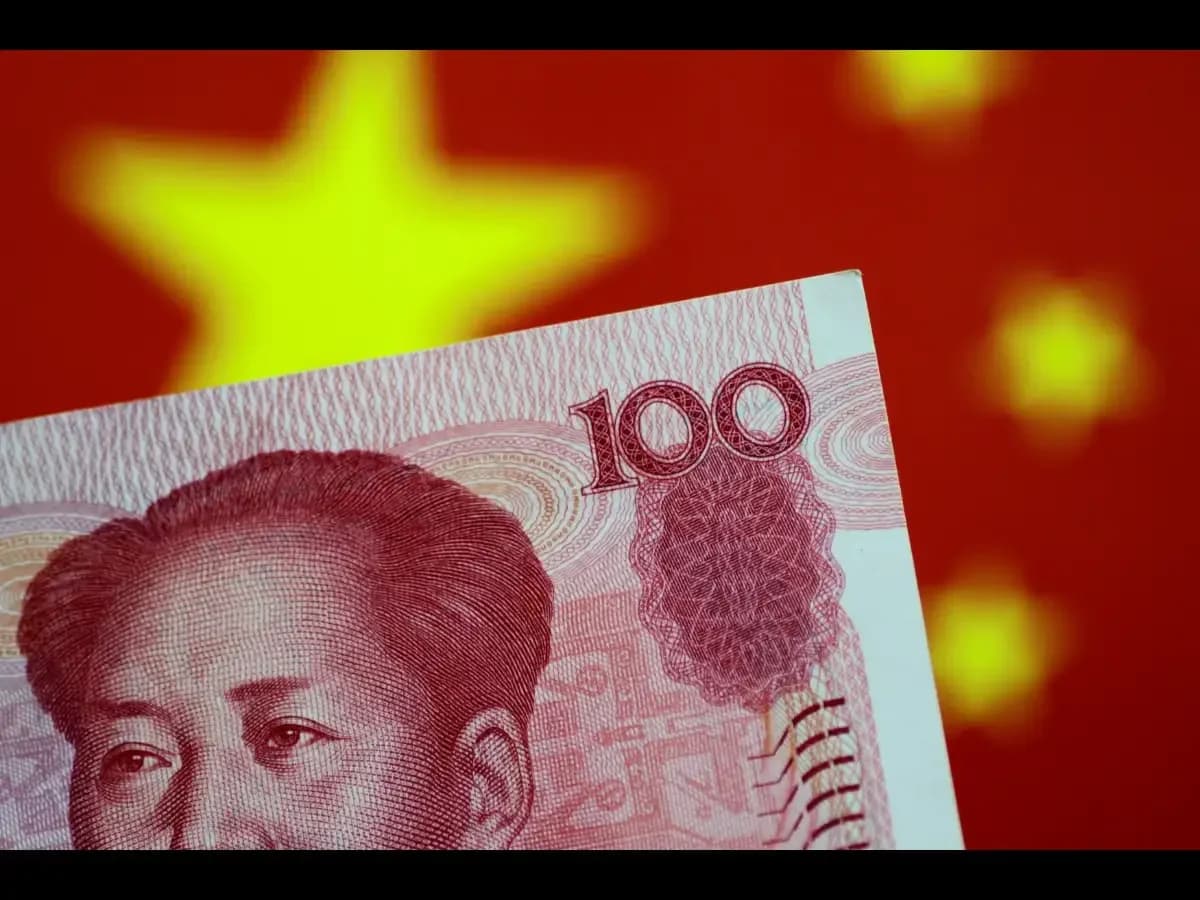
China's central bank has categorically defended its exchange-rate policy amid mounting international pressure. According to Reuters, the People's Bank of China issued a lengthy policy statement on Thursday rejecting claims that China keeps the yuan artificially weak to gain trade advantages. The central bank stated that China neither needs nor intends to obtain a trade-competitive advantage through exchange-rate depreciation, and has never engaged in competitive currency depreciation. This defense comes as trade tensions with Europe remain a particular concern, with China and the European Union reaching an agreement that could reduce Chinese hybrid-car exports to the bloc by more than half, as European Trade Commissioner Maros Sefcovic said following talks in Beijing. The negotiations follow months of discussions over the EU's goods trade deficit with China, which exceeds 1 billion euros ($1.12 billion) a day. China pushed back against foreign criticism last week, saying it had never pursued competitive currency depreciation and that market forces played a decisive role in determining the exchange rate.