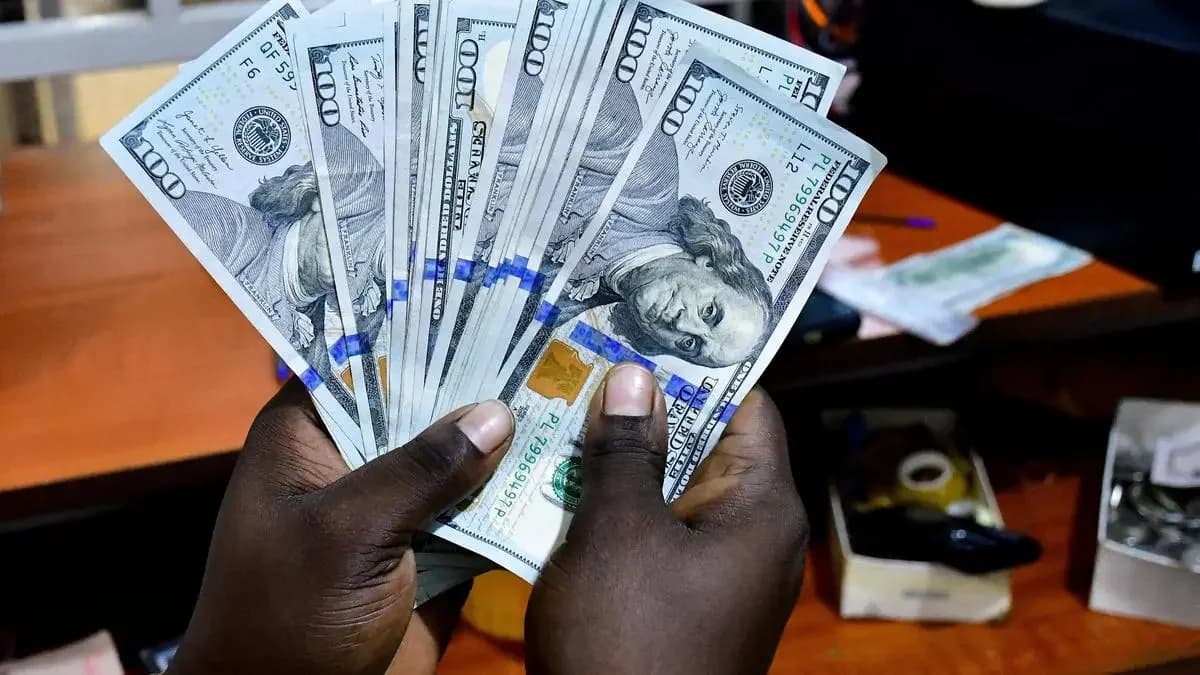
The US dollar surged past its November peak to reach the highest level in over a year as hot inflation data boosted bets on Federal Reserve rate hikes. According to Bloomberg, the Bloomberg Dollar Spot Index rose as much as 0.5% to the highest level since May 2025, extending the dollar's rally into a fifth week with gains of nearly 3.5% - its longest winning streak since early 2025. The Labor Department's Bureau of Labor Statistics reported that US consumer prices rose 3.7% year-on-year in September, accelerating from 3.4% in August and exceeding market expectations of 3.6%. On a monthly basis, consumer prices rose 0.6%, with the consumer price index advancing 0.6% from the prior month according to BLS data. As Andrew Hazlett from Monex Inc noted, "Hotter than expected CPI has given a boost to the dollar this morning as traders price in further tightening from the Fed."
The inflation report has dramatically shifted Fed rate expectations, with traders now pricing in significantly more aggressive tightening than previously anticipated. According to Bank of America's Alex Cohen, "Pricing for the October Fed meeting has swung quickly back," while the market is now pricing in about two Fed hikes by end of January, including a roughly 50-50 chance of a rate increase in October. This represents a sharp reversal from recent dovish signals, including comments from New York Fed President John Williams that had weakened the dollar in previous sessions. Markets were pricing in roughly a 94% probability of a December rate increase, reflecting growing expectations that persistent inflation could prompt the Fed to keep monetary policy tighter for longer, as reported by Reuters. Interest rate futures tied to the Fed's policy rate indicated a 47.1% probability of a hike at the October 27-28 meeting, up from about 22% before the data was released. The acceleration in both headline and core inflation has highlighted persistent price pressures as investors reassess Federal Reserve monetary policy outlook.
Citigroup now expects the US Federal Reserve to raise interest rates by 25 basis points in December following hotter-than-expected September inflation data. The revised forecast marks a shift for Citi, which had been the only major holdout expecting the Fed to leave rates unchanged for the remainder of the year, even as financial markets increasingly anticipated another rate increase in December. According to Citigroup, the brokerage forecasts rates to remain unchanged thereafter, with rate cuts unlikely before June 2027. September's inflation data showed consumer prices accelerating, driven by a surge in gasoline costs, with price pressures also broadening beyond energy, raising concerns that underlying inflation could remain persistent and complicate the Fed's efforts to bring inflation under control.
The euro fell 0.7% to $1.112, hitting a new 17-month low against the dollar and extending its decline in October. According to Credit Agricole's Valentin Marinov, "The euro could continue to bear the brunt of the dollar rally" amid clouding fiscal outlook in Europe. Elevated oil prices due to the ongoing war in Iran and heightened concern over fiscal and political risks in France have boosted demand for the haven currency. The Swedish krona was the worst performer among Group of 10 currencies, dropping 1%, while the yen declined 0.4% to trade at 158.93 per US dollar, weighed down by lower rates in Japan and high energy prices. All currencies in the Group of 10 weakened against the greenback Wednesday.
Gasoline prices were the main driver of the monthly increase, surging 9.1% and accounting for more than half of the overall advance, as reported by Anadolu. Energy prices climbed 5.2%, while shelter costs rose 0.4%. Core inflation, which excludes volatile food and energy prices, rose 0.3% from the prior month with analysts expecting a 0.2% advance, according to Bloomberg. Higher US interest rates can support the dollar by making dollar-denominated assets more attractive to investors, as the Federal Reserve's monetary policy stance becomes more hawkish amid persistent price pressures. A widening interest-rate gap is favoring the dollar, with speculative traders boosting their bullish stance on the dollar, holding more than $35 billion in wagers tied to the dollar rising according to Commodity Futures Trading Commission data.