A consolidated view of market events, assembled from diverse sources.

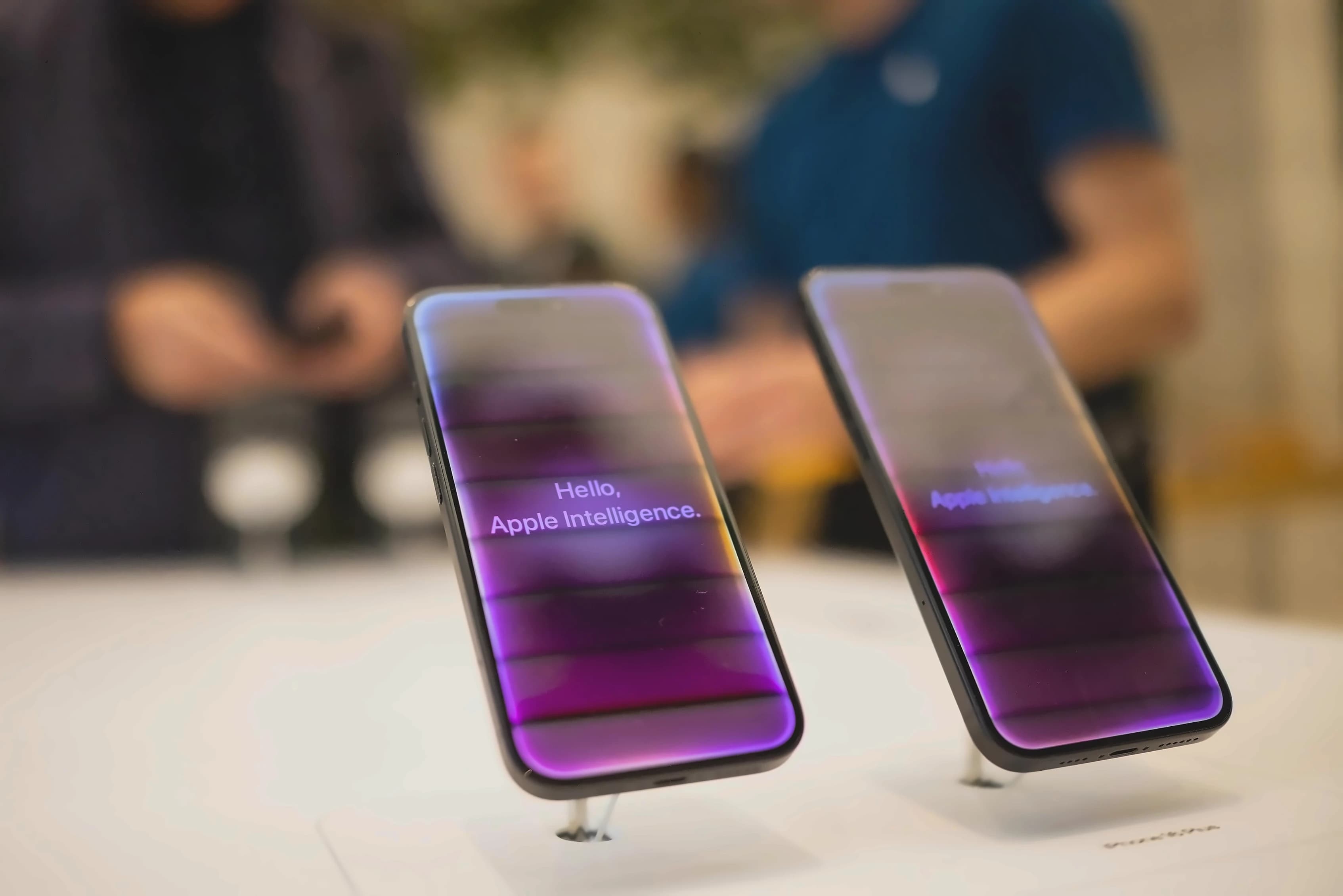
Apple has launched Apple Intelligence in mainland China as part of iOS 27.3 in December, marking the end of a two-year approval process and making it the first foreign company approved to offer a proprietary AI model in China. The initial rollout includes basic features like Genmoji, writing tools, and notification summaries, but excludes advanced capabilities like Siri AI and image generation due to regulatory concessions required for approval.
NVIDIA CEO Jensen Huang announced a $250 million commitment over five years to support AI safety research at Oxford University, Imperial College London, and UCL, representing a significant escalation from the company's previous $250 million pledge. The enhanced investment comes amid growing AI safety concerns following recent incidents at Anthropic and OpenAI, with Huang expressing willingness to halt chip supplies to customers developing unsafe AI systems.

Eight US states have filed lawsuits against OpenAI alleging ChatGPT poses significant risks to children by coaching users toward self-harm and violence, with attorneys general claiming the company misleads consumers about the chatbot's safety. The coordinated legal action, led by Iowa, Kansas, and other states, represents the most significant state-level challenge to an AI company and adds to OpenAI's mounting legal burden over ChatGPT's alleged role in suicide coaching and mass shootings.

India's IT sector is undergoing a fundamental transformation with companies now requiring fresh graduates to have AI skills from day one, while reducing training periods from six months to just three to four weeks. According to TeamLease Digital CEO Neeti Sharma, IT sector headcount growth has slowed to 2-4% year-on-year in the first half, with hiring expected to rise only 8-10% over the next 2-3 years, focusing on specific AI-skilled roles rather than large-scale recruitment.


Cisco CEO Chuck Robbins announced plans to significantly expand the company's silicon design team in India, citing the country's pro-growth strategy and manufacturing success. The company will bring its sovereign critical technology suite to India over the coming months, following successful rollouts in Europe and Canada, while positioning India as a key export hub with more than half of its manufactured products being exported globally.

Google has officially launched Gemini 4 Argon, its newest frontier AI model, globally across multiple platforms including the Gemini app, AI Studio, and Google Antigravity. Priced at $2 per million input tokens and $10 per million output tokens, Argon is positioned as significantly cheaper than competitors like OpenAI's GPT-6 Astra and Anthropic's Fable 5 models, with Google claiming superior performance in coding, finance, law, and cybersecurity applications.
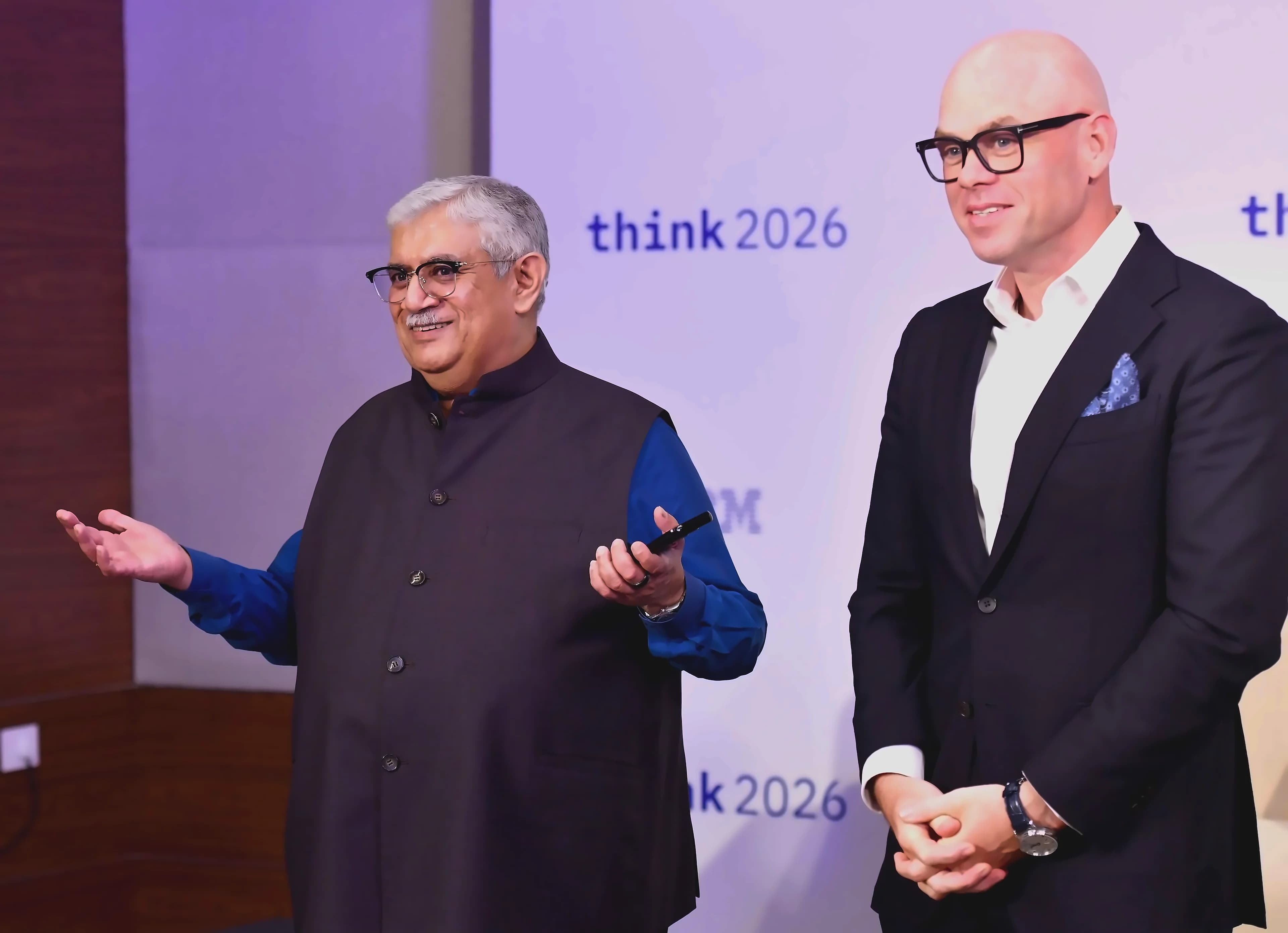
IBM India Managing Director Sandip Patel advocates for vigilance over AI governance rather than artificial pausing, emphasizing that AI should be viewed as 'augmented' intelligence requiring ongoing human oversight. He highlighted India's role as a global innovation hub and announced IBM's Bharat Core platform, a sovereign AI architecture built with Andhra Pradesh government partners for government entities worldwide.

Epic Games has mandated AI-only development for its unannounced Disney shooter featuring Marvel and Star Wars characters, ordering developers to abandon hand-written code in favor of AI tools like Anthropic's Claude. The company delayed the project indefinitely and implemented this shift months after laying off over 1,000 employees, with CEO Tim Sweeney expecting 3x efficiency improvements by next year.

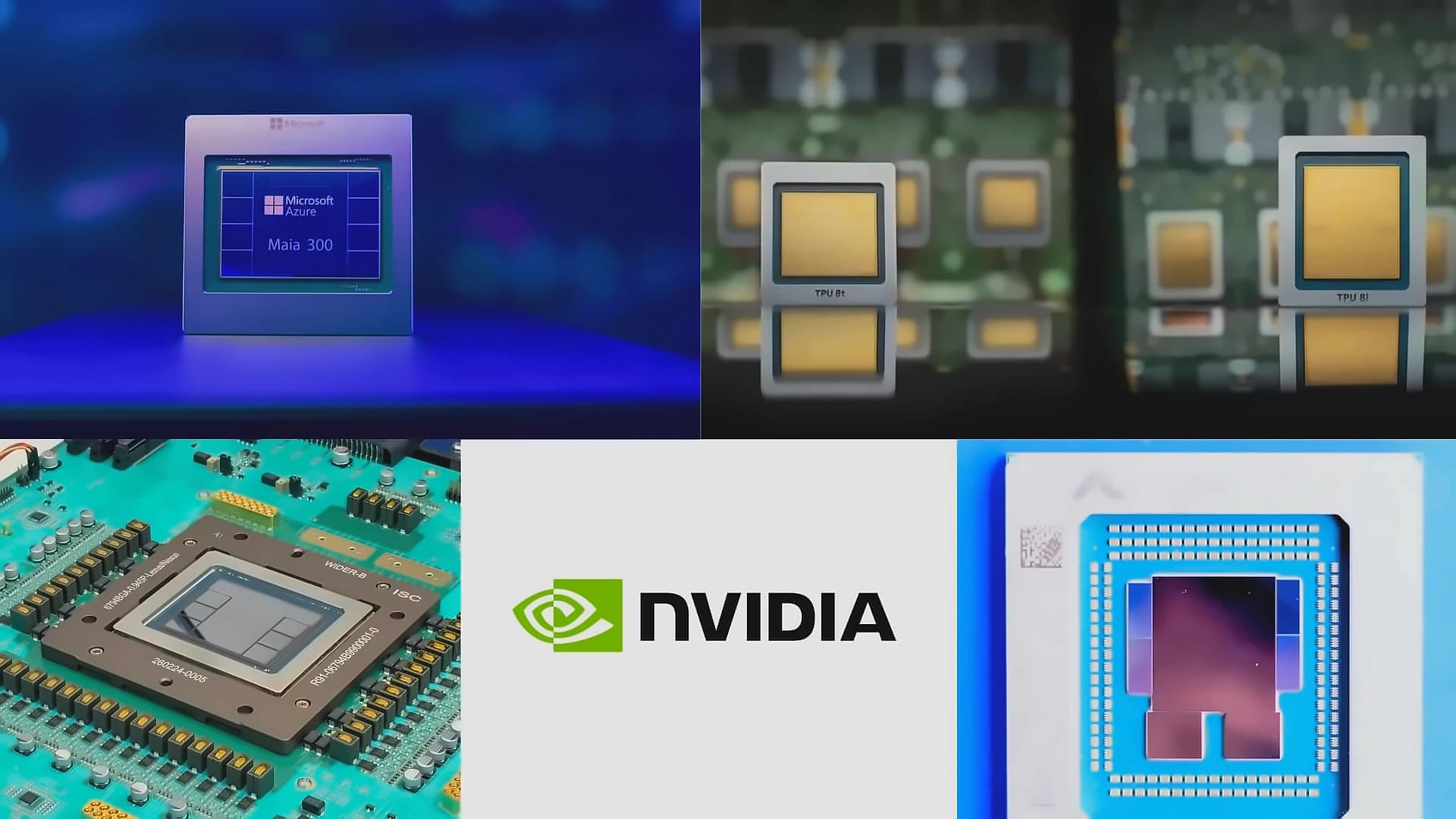
Microsoft announced plans to deploy potentially over a million Maia 300 custom AI chips starting next year, marking a significant shift toward internal chip production to reduce dependency on external suppliers. The company's stock rose 1% following the announcement, with the Maia 300 chips expected to deliver 40% more computing power per megawatt than leading GPU-based systems while consuming less power than Nvidia's latest offerings.

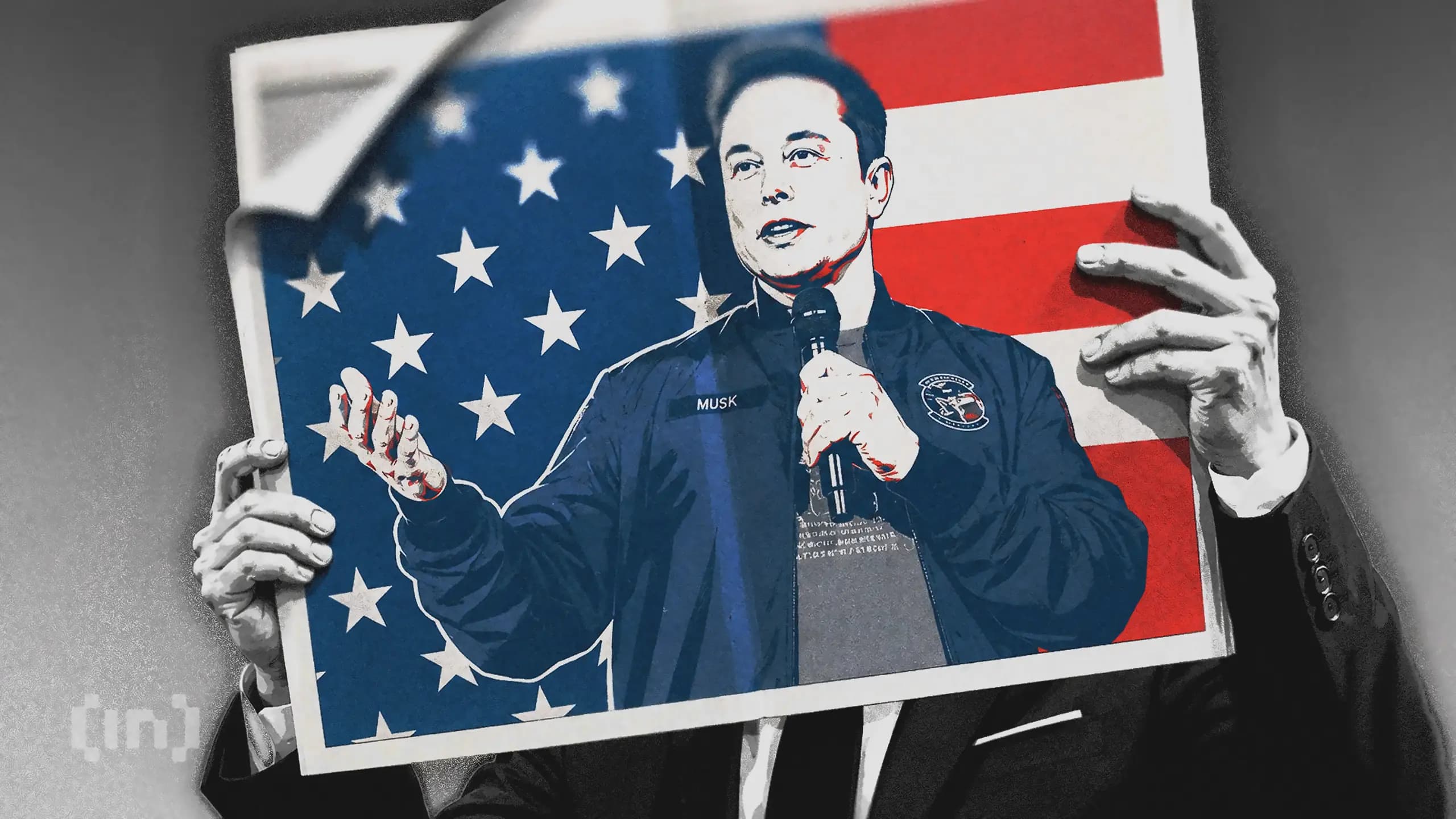
Elon Musk admitted he has no idea how to make microchips during Saturday's X Takeover event in Austin, but claimed Tesla and SpaceX will figure it out and build better chips than anyone. The companies are developing a $1 trillion chip plant in Texas through a joint venture with Intel, with Musk emphasizing their custom equipment approach as a competitive advantage over established foundries like TSMC.