According to reports from Bloomberg, Apple Inc. has successfully launched Apple Intelligence in mainland China in December as part of the iOS 27.3 update, marking the end of a two-year wait since the AI platform's initial US rollout. The iPhone maker received preliminary approval in July to introduce the AI platform in China but recently held additional discussions with the country's Ministry of Industry and Information Technology about getting clearance for a consumer debut. The launch represents a significant milestone for Apple, as the company becomes the first foreign company Beijing has approved to offer a proprietary AI model in the mainland, with the reported release arriving through iOS 27.3, although Apple has not officially confirmed the timeline. As reported by South China Morning Post, China's Ministry of Industry and Information Technology recently gave Apple network access permits to add Alibaba's Qwen and Tongyi Wanxiang models to iPhone Duo, iPhone 18 Pro, and earlier iPhones, paving the way for the Apple Intelligence debut. AAPL stock rose 0.5% on Wednesday and continued to inch higher by 0.1% after-hours following the launch announcement.
As reported by Bloomberg, the launch includes the 2024 set of features that were widely available in the US, excluding the rebuilt Siri AI that Apple developed this year. The version shipped to China includes Genmoji, notification summaries, writing tools and removing objects from photos, which were widely panned at the time for not working properly. Apple had to make concessions to get approval, including developing guardrails with China's Alibaba Group Holding Ltd. that allow the government to approve ongoing updates to AI models. The company is also working with Baidu Inc. on features related to search and Siri. Image generation is completely excluded, with Apple's Image Playground app not shipping to China, and some text-generating features will be limited in some applications to comply with local regulations. According to South China Morning Post, Image Playground and the newer version of Genmoji will be missing, plus text generation tools will be limited in the initial offering.
According to Bloomberg, the China rollout follows years of work by Apple, with the company initially believing the release would happen in May 2025. That was delayed until the end of 2025 and then again until this past spring, while the company was kept in the dark by the Chinese government's approval process. Tim Cook, Apple's executive chairman, attended a White House state dinner honoring Chinese President Xi Jinping last month as part of the ongoing discussions. The approval process was particularly challenging, with the Cyberspace Administration logging the service in July, about 22 months after Apple Intelligence launched elsewhere. Apple Intelligence briefly appeared in mainland settings in March, before approval, and was pulled, highlighting the complex regulatory environment in China. China restricts foreign AI technology, which meant Apple had to partner with Alibaba and Baidu to launch Apple Intelligence in the country. On Sept. 29, the company obtained necessary permits authorizing recent iPhone models to operate both Apple Intelligence and local AI models, marking a significant regulatory milestone.
As reported by Bloomberg, the initial version of Apple Intelligence includes Writing Tools, which help users rewrite, proofread and summarise text, alongside notification summaries designed to condense alerts into shorter, more readable updates. The rollout is also expected to include Genmoji, which allows users to create personalised emoji, and Clean Up, an image-editing feature in Photos that removes unwanted objects from pictures. However, the first version will lack the company's in-house image-generation tools, including the Image Playground app, and some text-generating features will be limited in some applications. The new Siri AI, rebuilt using Google Gemini models, isn't launching in China as part of the rollout, with Apple executives not optimistic about Siri AI launching in China anytime soon. As reported by South China Morning Post, Siri AI won't be available in the initial launch, maintaining Apple's disadvantage compared to competing smartphone makers in China like Huawei who have long offered artificial intelligence features.
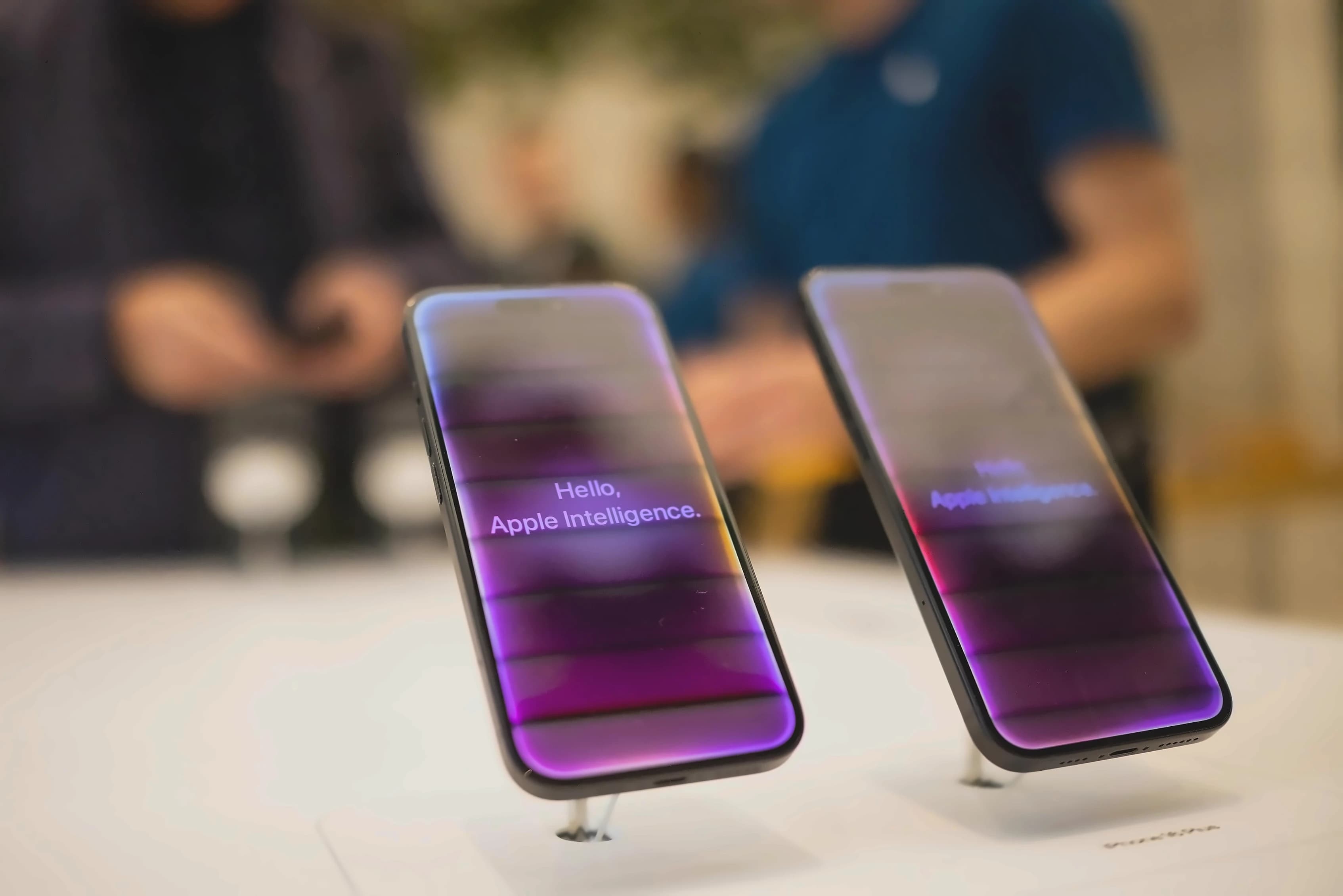
According to Bloomberg, with AI services proliferating on rival phones from Huawei Technologies Co., Xiaomi Corp., Oppo Guangdong Mobile Telecommunications Corp., Vivo Mobile Communication Co. and others in China, it's unclear how much Apple will benefit from launching a two-year-old set of relatively basic AI features in the country. The other major region where Apple continues to struggle is the European Union, where Siri AI remains missing from iPhones, iPads and Apple Watches despite receiving clearance for most other capabilities in September. China contributes about 17% to 20% of Apple's total revenue, making it an important geography for Apple's revenue stream outside the U.S. The reported December release should be seen as a potential first step rather than a complete launch of Apple Intelligence in China, with the extent of the initial offering remaining unclear and questions remaining over the availability of more advanced features. AAPL stock has gained about 26% year-to-date, reflecting positive investor sentiment around the AI platform's eventual launch in China.