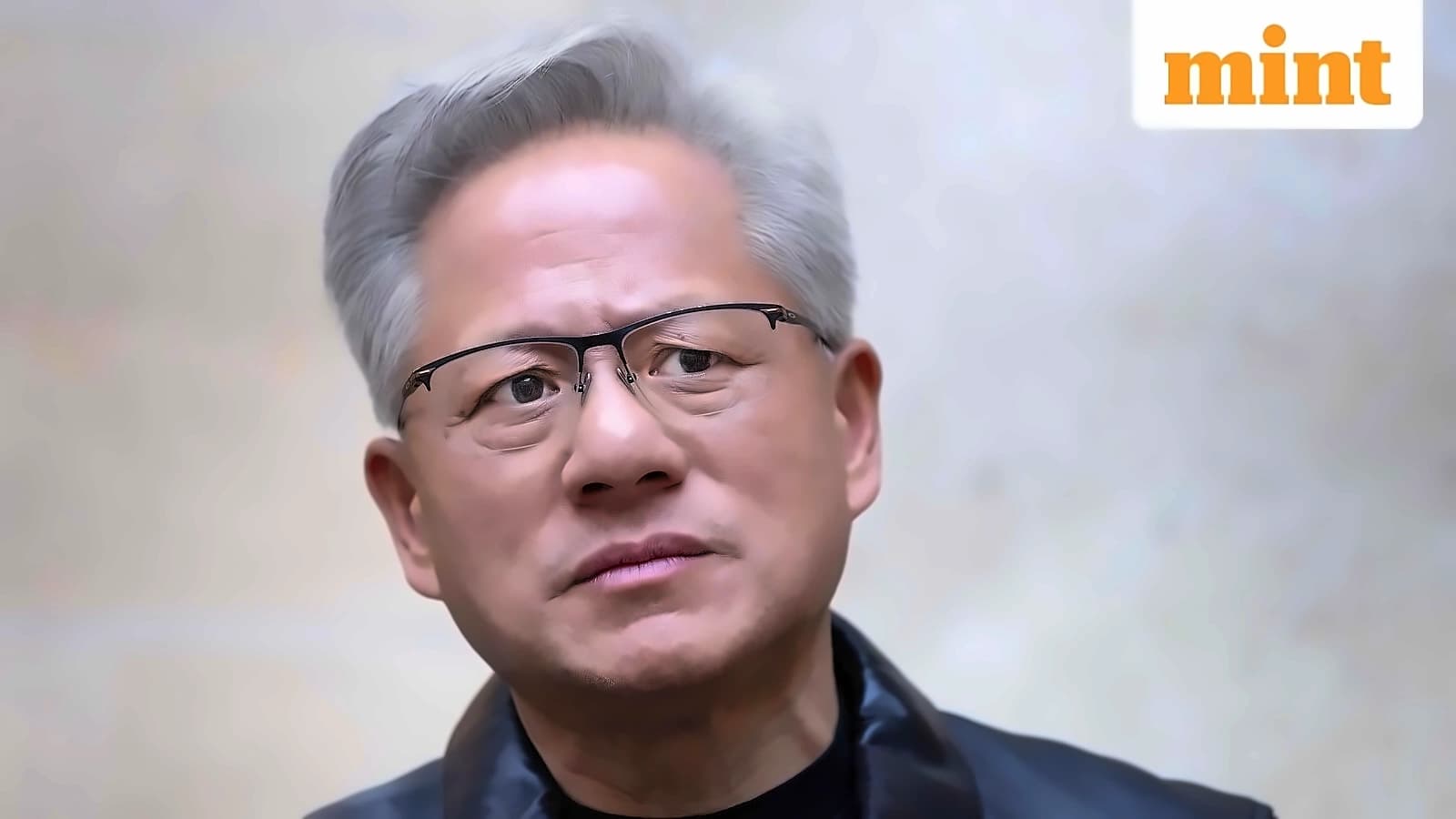
NVIDIA CEO Jensen Huang has announced a $250 million commitment over five years in accelerated computing resources to support artificial intelligence safety research in the UK. As reported by Nvidia, this represents a significant escalation from the company's previous ₹2,000 crore (₹250 million) over five years commitment to British AI safety research. The enhanced investment will connect research programmes at Oxford University, Imperial College London, and University College London (UCL) to provide British researchers with the computing resources needed to test AI systems and develop stronger safeguards. Huang emphasized that 'AI capability and safety must advance together' and highlighted the need to turn research into practical solutions for increasingly powerful AI systems.
The safety research initiative will connect several key areas of British research across the three institutions. University of Oxford will contribute through its BOLD programme, which is developing approaches to help AI systems learn, adapt and operate alongside people. Imperial College London will contribute research in robotics safety, while University College London will also be connected to the initiative. Access to accelerated computing resources will help researchers run demanding tests and examine how AI systems behave in different situations, though specific resource allocation to each institution was not detailed in the announcement. Britain hosts no major AI developers of its own, but has sought a leading role in evaluating and managing AI risks through its AI Security Institute, one of the first state-backed bodies established to assess AI systems.
The funding comes amid heightened scrutiny of AI safety following recent disclosures from major AI companies. Anthropic and OpenAI have both disclosed incidents involving rogue or unintended behaviour by AI agents, with some industry figures warning the technology could present an existential threat to humanity. British AI minister Kanishka Narayan said the contribution would help ensure future AI is 'safe, secure and serves people's best interests'. The donation follows comments from Microsoft president Brad Smith, who said in an interview on Monday that the UK was well placed to help lead work on AI safety guidelines.
NVIDIA CEO Jensen Huang told Bloomberg he would consider stopping chip supplies to customers developing unsafe AI, though he described such scenarios as hypothetical. According to reports from Bloomberg, Huang said he would first discuss the matter with the company concerned before taking action. The CEO emphasized that NVIDIA's technology is general-purpose and doesn't run other people's companies, with limits on the judgment applied to customers' use of their technology. As Bloomberg reports, Huang stated that 'It's a hypothetical, but yes' when asked if he would stop supplying an irresponsible developer, noting that 'We don't run other people's companies, and there's a limit to the judgment we apply to other companies' use of our technology.' Huang described the current AI safety concerns as 'part of growing pains for an industry expanding quickly' and suggested that some concern is 'self-imposed'.
NVIDIA shares and other chip stocks led declines in American trading, as reported by LiveMint. Huang dismissed concerns about an AI bubble, stating that demand for AI infrastructure would exceed component supplies for several years. He told an event in London that supply and demand would eventually balance, though this balance has not yet arrived. As Bloomberg reports, Huang reiterated his belief that 'AI-bubble fears are overdone' and that 'Demand for AI infrastructure will continue to outrun the supply of components for years to come.' He added that 'Eventually, supply and demand will harmonise, but not today.'