A consolidated view of market events, assembled from diverse sources.

India has amended its double taxation avoidance agreement with Mauritius by introducing a principal purpose test (PPT) that allows tax authorities to deny treaty benefits when securing tax advantages is the main purpose of a transaction. The protocol came into force on August 10, 2026, and will primarily affect new investments and income earned after this date, while existing grandfathered investments made before April 2017 remain protected.
The Central Board of Direct Taxes (CBDT) has expanded its 'SAKSHAM NUDGE' initiative to target nearly 12,000 tax professionals who have filed fewer than 50% of their previous year's tax audit reports, ahead of the October 21, 2026 deadline for Assessment Year 2026-27. The department has sent SMS and email reminders to these underperforming professionals as part of its data-driven approach to encourage timely compliance, with over 19.5 lakh tax audit reports already filed but significant numbers still pending.

The Income Tax Appellate Tribunal (ITAT) has restored a taxpayer's appeal rights against a ₹90.09 lakh penalty imposed for failing to file income tax returns after selling property in FY 2015-16. The tribunal condoned the delay in filing appeals and sent both the assessment and penalty disputes back for fresh consideration, while noting that the underlying tax dispute remains unresolved.

The Mumbai ITAT has deleted a ₹17.18 lakh penalty imposed on a taxpayer for FY 2016-17, ruling that the tax officer lacked jurisdiction to impose the penalty under Section 271(1)(c) when the assessment order failed to contain the necessary direction for penalty proceedings. The tribunal held that the officer could not switch to a different penalty provision after initially mentioning other sections in the assessment order.


The Central Board of Direct Taxes (CBDT) has amended Income-tax Form 161 through the Income-tax (Sixth Amendment) Rules, 2026, effective October 8, 2026, to provide taxpayers with enhanced options to seek waiver of penalties for misreporting income. The revised form requires comprehensive details of assessment orders, payment of additional income-tax in lieu of penalty, and strict compliance with timelines and conditions for successful waiver applications.

The Mumbai bench of ITAT has provided significant relief to taxpayers in three separate cases, deleting a ₹55.2 lakh tax addition in a joint property purchase case, ruling that ₹82 lakh redevelopment compensation was not taxable income, and granting relief to a senior citizen facing a ₹66 lakh tax penalty. These rulings emphasize that Section 69 cannot be used for presumptive attribution and highlight the importance of maintaining proper documentation for joint property transactions.

The 57th GST Council meeting on October 8, 2026 recommended allowing input tax credit on group health and life insurance premiums, potentially saving employers up to ₹1.8 lakh annually on their 18% GST burden. This policy change, effective from April 2027, is expected to make group insurance more affordable for MSMEs and improve employee benefits, though actual savings will depend on compliance requirements and employer decisions to pass on savings to employees.

The Income Tax Appellate Tribunal Mumbai has quashed a ₹50 lakh Income Declaration Scheme reassessment order after finding the tax department's section 148 notice was invalid due to jurisdictional defects. The tribunal ruled that the notice required returns to be filed within 30 days, contrary to the Act's provisions, and that such jurisdictional defects cannot be cured by subsequent amendments to section 148.

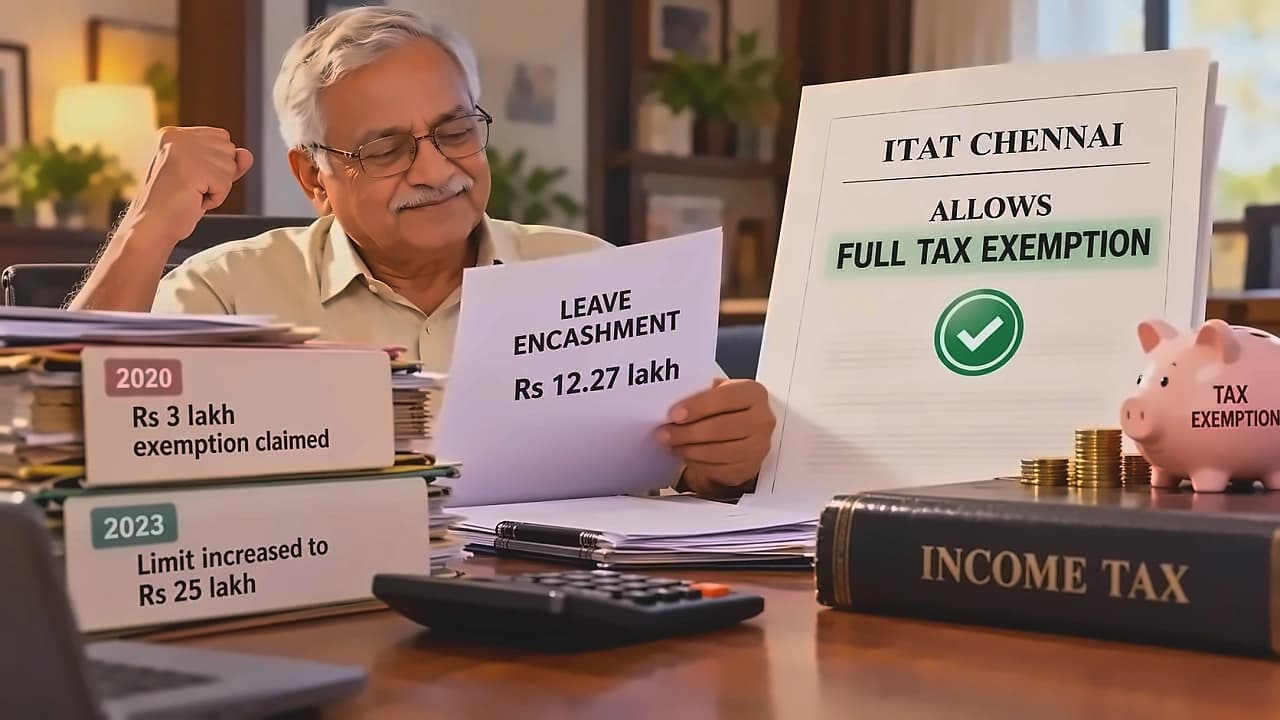
The Income Tax Appellate Tribunal (ITAT) Delhi has ruled in favour of a retired SBI employee who received ₹12.27 lakh leave encashment, granting full tax exemption under the enhanced ₹25 lakh limit introduced in 2023. The tribunal held that the notification did not create a new exemption but merely updated an existing provision, allowing benefits to employees who retired before April 1, 2023.

The GST fitment committee has clarified that NBFC services to banks in co-lending arrangements will be taxed at 18% GST, with interest on underlying loans remaining exempt. This decision addresses long-standing industry queries about tax treatment and aligns with RBI's valuation methodology for co-lending arrangements.