A consolidated view of market events, assembled from diverse sources.

US Treasury Secretary Scott Bessent called on the World Bank to rescind its 2019 ban on upstream oil and gas financing and adopt technology-neutral principles, while urging the institution to play a greater role in critical minerals development and nuclear energy assistance. The demands, made during World Bank and IMF annual meetings, also include reforms to accelerate graduation of wealthy countries like China and Poland from borrowing programs.
Independent emerging markets commentator Geoffrey Dennis suggests India could regain some safe-haven appeal if the global equity sell-off deepens, though the country needs a catalyst like rupee stabilization and higher real interest rates to attract foreign capital. Despite India's attractive growth outlook, elevated crude prices at $105 Brent and near-zero real interest rates create structural disadvantages compared to markets like Brazil.

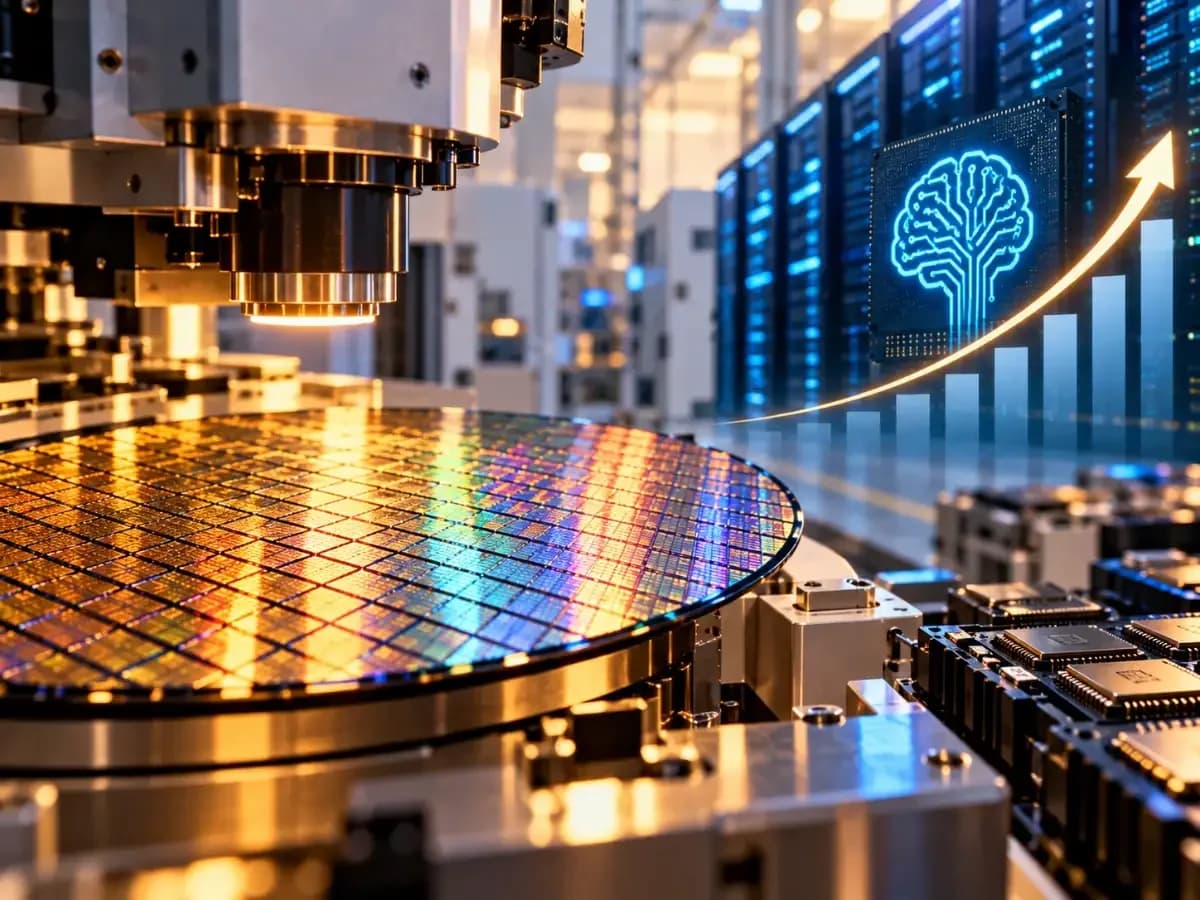
Taiwan Semiconductor Manufacturing Co (TSMC) is expected to report its sixth consecutive quarter of record earnings on Thursday, with analysts forecasting a 65% year-on-year increase in net profit to T$746.3 billion driven by surging AI chip demand. The company's market capitalization has reached around $2 trillion, nearly double that of Samsung Electronics, as it continues expanding globally with $265 billion in Arizona investments and plans for 2027 spending guidance.

BlackRock CEO Larry Fink warned that a US moratorium on data center construction would trigger a recession, as AI infrastructure spending has become a major driver of economic growth. Speaking after reporting record $15.5 trillion assets and better-than-expected Q3 earnings, Fink emphasized that AI capital spending could reach $1 trillion in 2027 and $5 trillion by 2030, with data centers creating jobs and addressing worker shortages in construction and technology sectors.


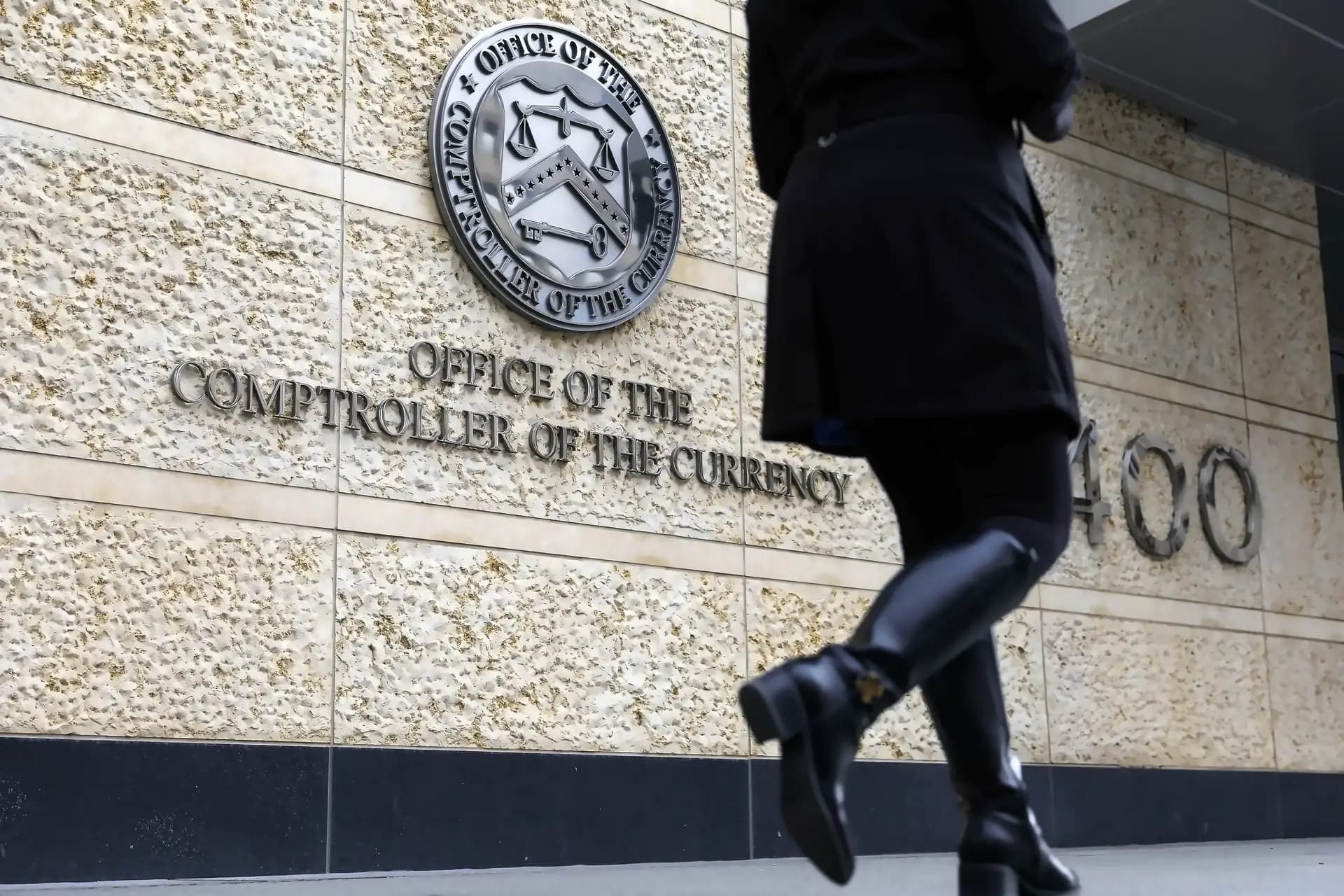
The Office of the Comptroller of the Currency has released a 47-page report identifying nine major US banks including JPMorgan Chase, Bank of America, and Wells Fargo that maintained policies restricting banking services based on political, religious, or social views. The investigation covered 2020-2025 and examined 100,000 complaints, revealing that banks used internal reputation risk rules to close accounts for conservative organizations and businesses in sectors not supported by the Biden administration.

Berkshire Hathaway increased its stake in Nasdaq-listed Bending Spoons to 4% through a $330 million investment, driving the Italian software company's stock price up 35%. The investment comes as part of Berkshire's broader diversification strategy under CEO Greg Abel, with the company focusing on acquiring struggling digital businesses and restructuring them for profit.

Canada's banking regulator OSFI is implementing significant regulatory reforms to address competitive imbalances, including a new 16-month banking license pathway and plans to reduce capital disadvantages for smaller banks. The changes come as experts warn that current regulatory complexity is discouraging innovation and new market entrants, with the regulator shifting from stability-focused to balanced risk management approaches.

ASML, the world's leading semiconductor equipment manufacturer, reported record quarterly revenue of over ₹90,000 crore (€11.66 billion) with 55.5% year-over-year growth, while confirming that demand for its EUV machines will exceed supply through 2028. The company has raised its 2026 sales guidance to €44-45 billion for the third time this year, driven by unprecedented AI infrastructure demand, with major chipmakers like TSMC, Samsung, and Intel ramping up investments to address the supply bottleneck.

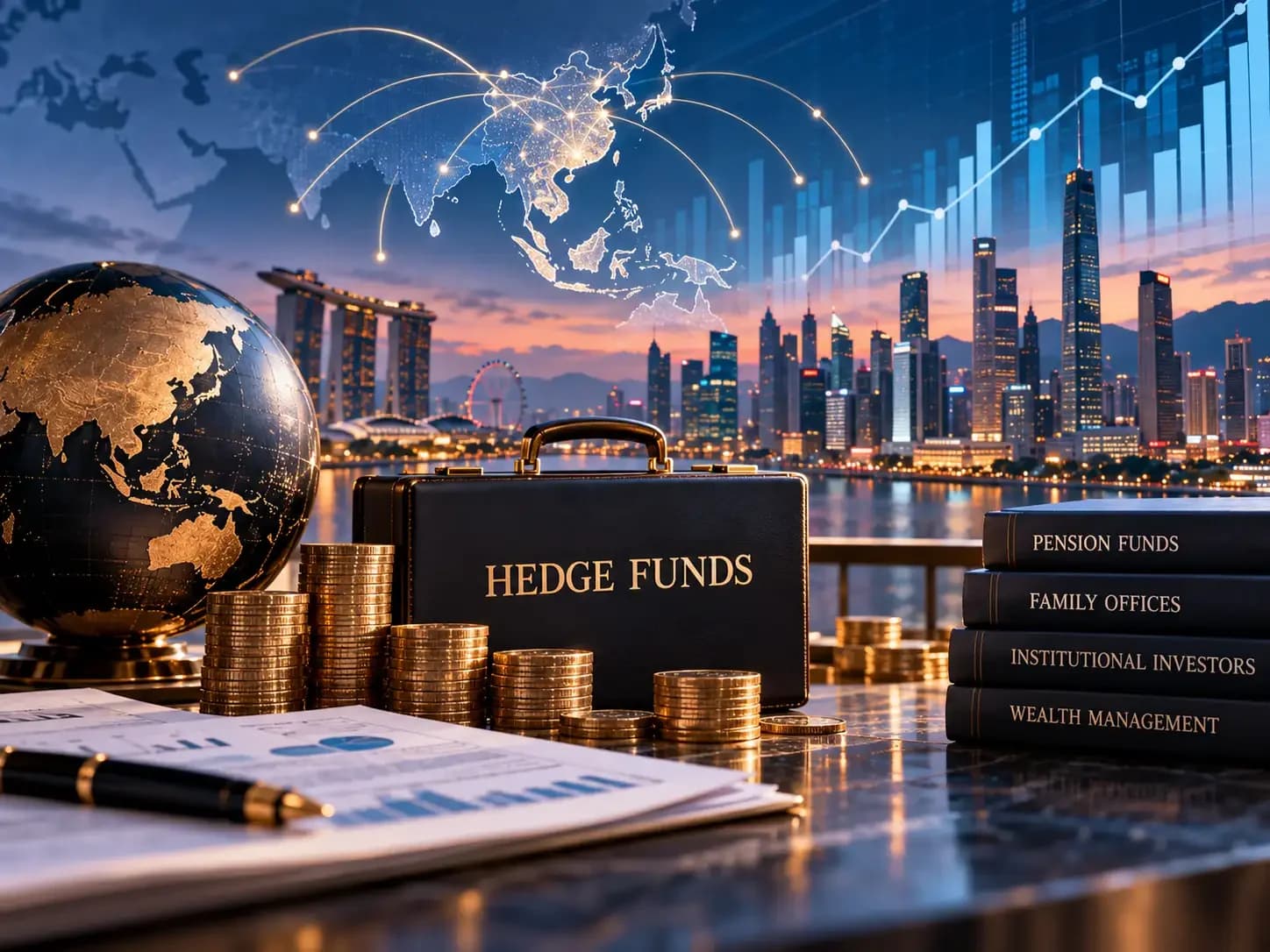
Asian investors are significantly increasing allocations to hedge funds as traditional investment strategies face scrutiny during market volatility. Global hedge fund assets reached a record $5.6 trillion in Q2 2026, with Asian investors tripling their hedge fund mandates since late 2024, driven by strong hedge fund performance and growing demand for alternative strategies amid bond market turbulence.

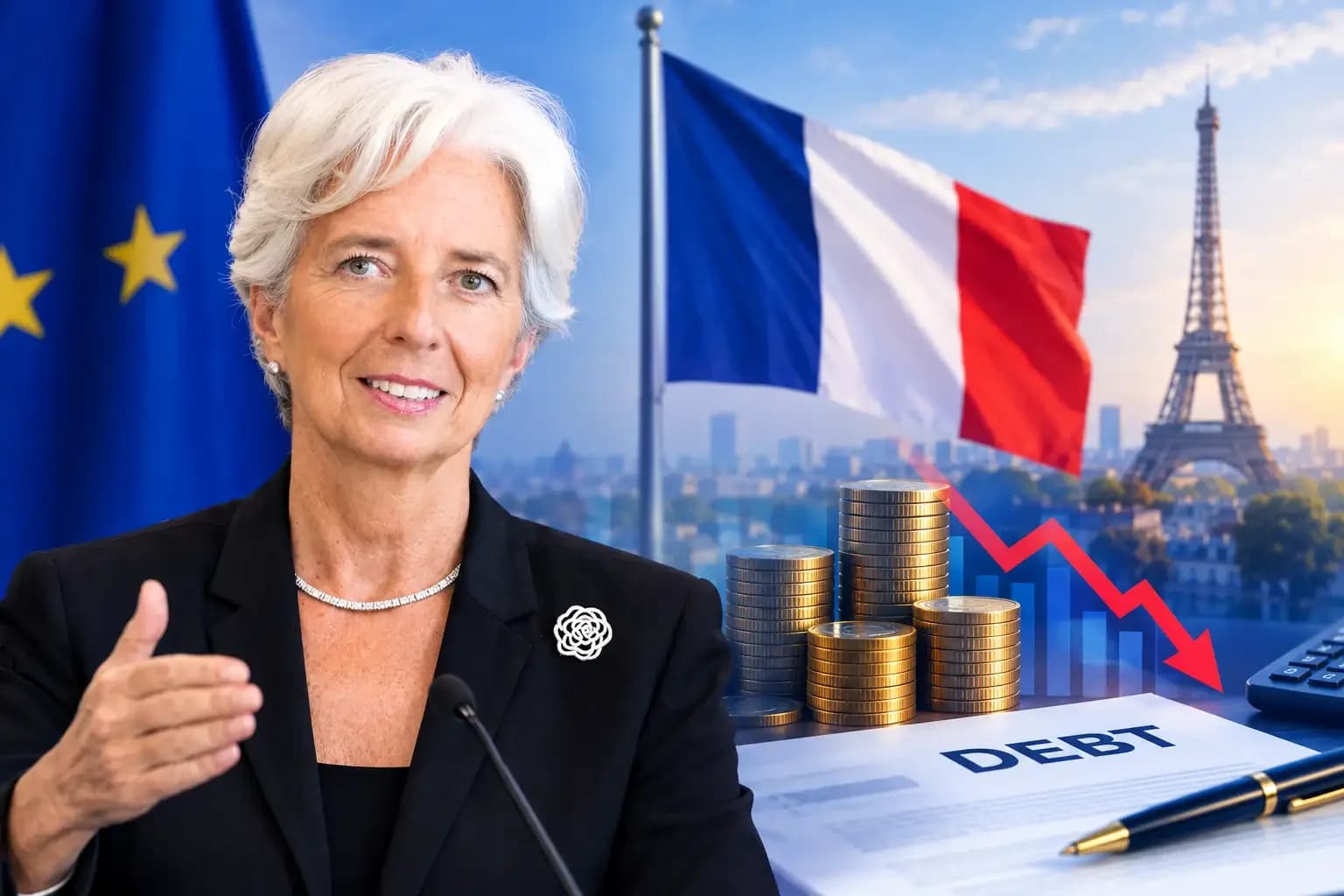
ECB President Christine Lagarde urged France to address its debt and deficit issues through domestic fiscal consolidation rather than relying on ECB bond purchases, as French government bonds have been among the hardest hit in a global bond selloff. Speaking at the IMF-World Bank meetings in Bangkok, Lagarde emphasized that France's primary solution lies in fiscal policies rather than potential ECB intervention, while noting the central bank has yet to see clear evidence of second-round inflation effects from energy price increases.