A consolidated view of market events, assembled from diverse sources.

The Indian rupee strengthened 31 paise to 94.86 against the US dollar on Thursday, marking its sixth consecutive session of gains following RBI measures to curb speculative dollar demand. The currency reached a one-month high of 94.77 amid supportive comments from RBI Governor Sanjay Malhotra, though importer hedging costs and continued FPI outflows of $4.9 billion in October continue to limit further gains.
The Indian Rupee has strengthened 1.5% over two sessions, closing at 95.28 after the RBI implemented comprehensive measures including a special dollar window for oil companies and tightened derivatives rules. While the currency recovery is significant, bank treasury officials express concerns about operational challenges from the new RBI measures, which could increase hedging costs by 80-150 basis points.

RBI researchers Purnima Shaw and R K Sinha have successfully estimated state-wise urban inflation for April and May 2020 and 2021 using household survey data when official price collection was disrupted by Covid-19 restrictions. Their methodology, based on household inflation perceptions and expectations, produced estimates that closely tracked official all-India CPI inflation with differences ranging from 14 to 22 basis points across the four months.

The Nifty Bank index declined 1% to 54,709.05 points on Monday as the RBI conducted an open market operation to absorb ₹25,000 crore from the banking system through government bond sales, while simultaneously raising the daily cash reserve ratio requirement to 99% from 90%. Banking stocks including SBI, ICICI Bank, and PNB fell between 1.1% to 2.1%, with Jefferies estimating the measures could increase funding costs by 1-2 basis points and reduce net interest margins slightly.
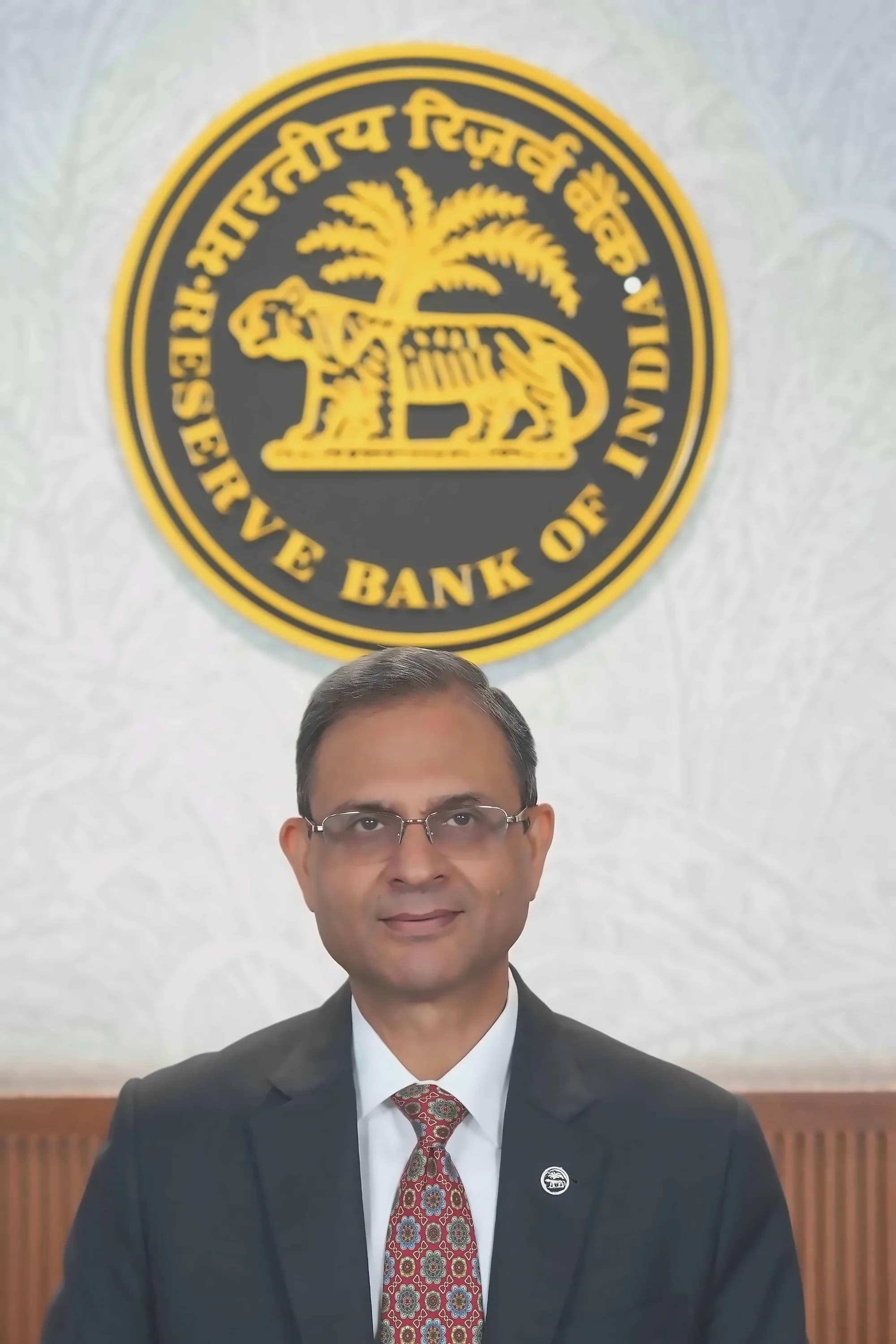
The Reserve Bank of India's 29-day variable rate reverse repo auction on October 8 attracted only ₹79,655 crore in bids against a ₹2 trillion notified amount, with banks preferring shorter-term liquidity absorption despite a ₹3.88 lakh crore surplus in the banking system. The weak response contrasted sharply with previous auctions, reflecting banks' reluctance to commit funds for longer periods amid current liquidity conditions.

ECB policymaker Primoz Dolenc suggests the central bank may need to raise interest rates further due to persistent inflation risks, though the timing and size remain uncertain. The ECB has already raised rates twice this year to 2.5% as inflation reached 3.8%, with risks tilted toward higher prices due to energy market uncertainty and strong eurozone economic growth.

Private sector banks' share in India's overnight tri-party repo market dropped significantly to 14% in April-September 2026 from 24% in the previous six months, while public sector banks increased their participation to 35%. Mutual funds maintained their dominance with 65% of tri-party repo lending, though their market repo share declined to 41% from 48%.

The Reserve Bank of India has established a ₹25,000 crore threshold for banks to adopt the Standardised Approach for Counterparty Credit Risk (SA-CCR) framework, effective April 2027. Banks above this threshold will be required to shift from the existing Current Exposure Method to the new standardised approach, while smaller banks can continue with their current method or choose to adopt SA-CCR voluntarily.

The Reserve Bank of India has projected GDP growth at 7.1% for FY27 while maintaining the repo rate at 6.25% following its October policy shift, citing elevated inflation risks and strong credit growth. UNCTAD projects global growth at 2.6% in 2026 with Asia contributing 59% of growth, while India is expected to expand by 7.3%, with RBI Governor emphasizing economic benefits over central bank operational costs during the challenging global economic environment.

The Federation of Indian Export Organisations (FIEO) has requested the Reserve Bank of India to extend export credit periods from 270 days to 450 days, citing policy volatility and challenging global conditions. This comes after RBI's 25 basis point repo rate hike to 5.50% and ongoing disruptions in the Rodtep export incentive scheme, while India's merchandise exports grew 17.85% to $215.91 billion during April-August 2026-27.