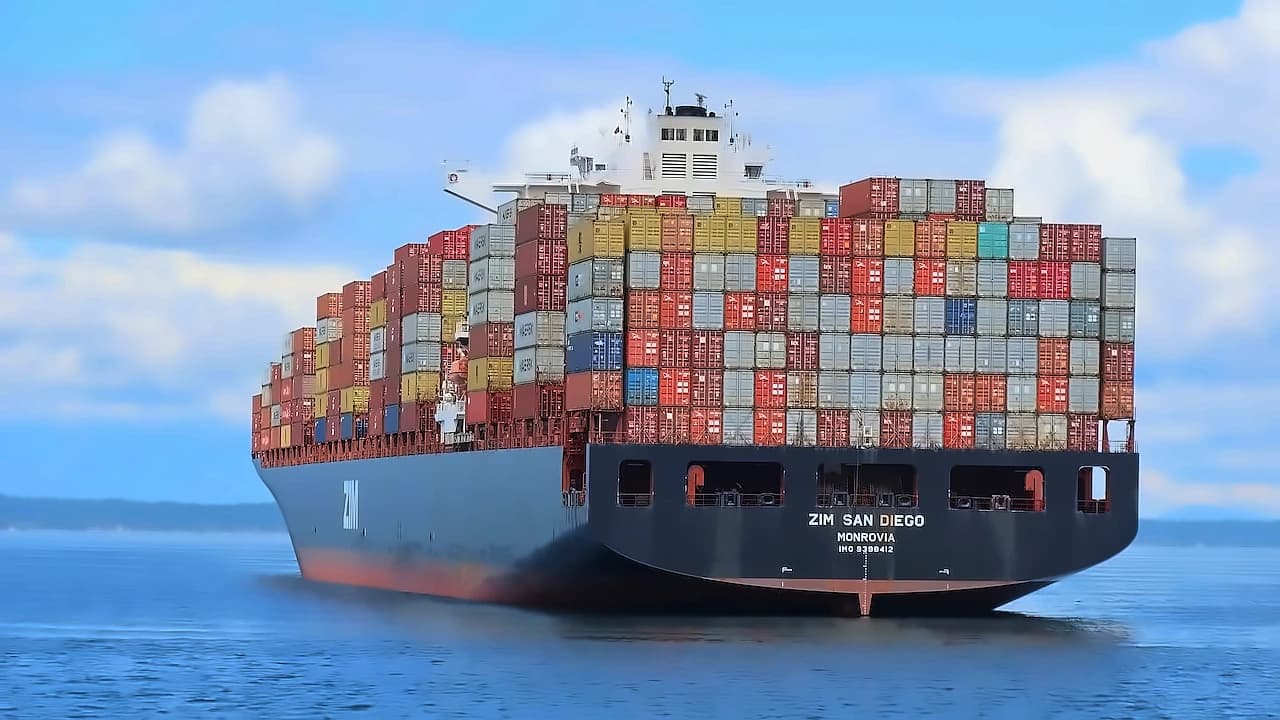
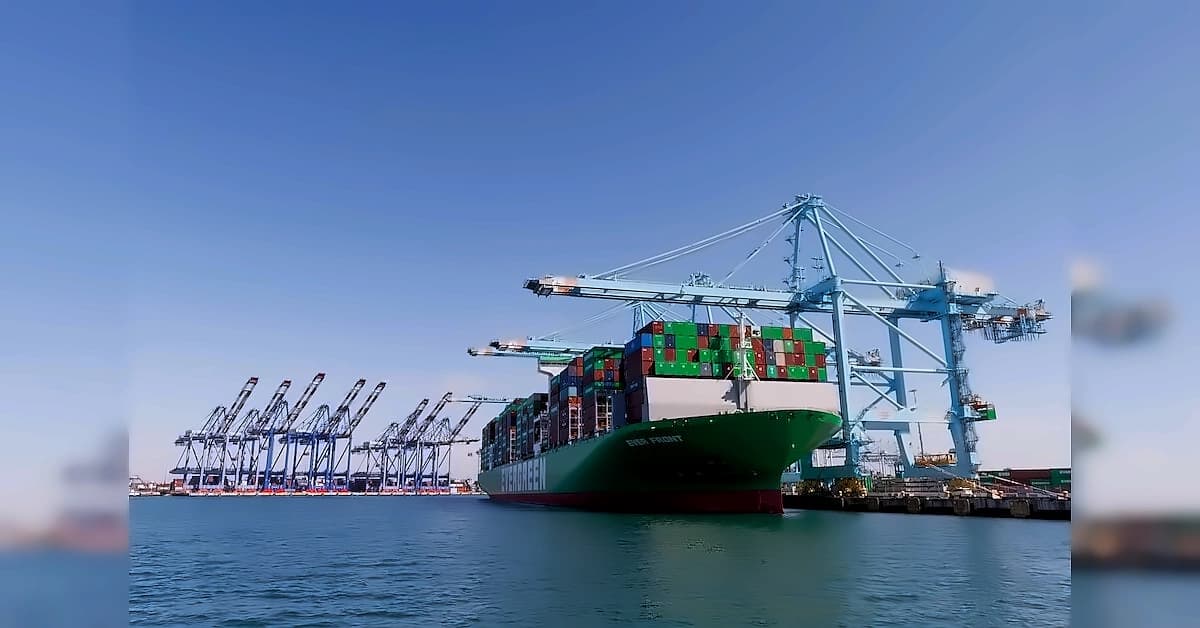
The Federation Of Indian Export Organisations (FIEO) has requested the Reserve Bank of India (RBI) to extend the period of pre-shipment and post-shipment export credit from the current 270 days to 450 days. According to FIEO President S C Ralhan, this extension is necessary due to longer shipping and transit periods, logistics disruptions, and delayed realisation of export proceeds. The request comes as exporters face an exceptionally uncertain global environment with geopolitical tensions, volatile energy prices, supply-chain disruptions, and extended payment cycles. Ralhan emphasized that such an extension would provide much-needed breathing space to exporters and enable them to honour their international commitments without facing undue financial stress.
The FIEO's request follows the RBI's decision to raise the policy repo rate by 25 basis points to 5.50% and change its monetary policy stance to calibrated tightening. As reported by FIEO, higher borrowing costs could increase the financial burden on exporters, particularly those in medium and small enterprises (MSMEs), at a time when global trade is facing heightened uncertainty. Ralhan acknowledged that the repo rate increase is understandable given rising inflationary pressures and the need to maintain price stability, but emphasized that monetary policy should not constrain working capital availability for export-oriented businesses. He stated that it is key that monetary policy does not constrain the availability of working capital for export-oriented businesses, especially MSMEs.
The export sector faces additional challenges from policy volatility in the Rodtep scheme, which provides tax refunds on exported goods. The scheme covers more than 10,700 export-product categories and has disbursed ₹57,976.78 crore since its launch in 2021. However, the scheme has already experienced policy disruptions, with the government restricting Rodtep rates to 50% of prevailing levels in February before restoring them at the end of March after shipping disruptions in West Asia. The Parliamentary Standing Committee on Commerce has recommended that future Rodtep rate revisions be preceded by structured consultation with industry stakeholders and accompanied by a clearly defined minimum transition period to prevent exporters from absorbing losses on contracts negotiated at earlier rates.
Despite policy uncertainties, India's export performance remains robust with cumulative merchandise exports rising 17.85% to $215.91 billion during April-August 2026-27, compared to $183.21 billion in the corresponding period last year. According to FIEO, the Indian economy has shown considerable resilience with GDP growth at 7.8% in the first quarter of 2026-27. However, Ralhan warned that higher interest costs in the current circumstances can adversely affect the competitiveness of Indian exporters, especially those operating on thin margins. He noted that exporters are currently operating in an exceptionally uncertain global environment with geopolitical tensions, volatile energy prices, supply-chain disruptions, longer transit times and delays in payments extending the export working-capital cycle.