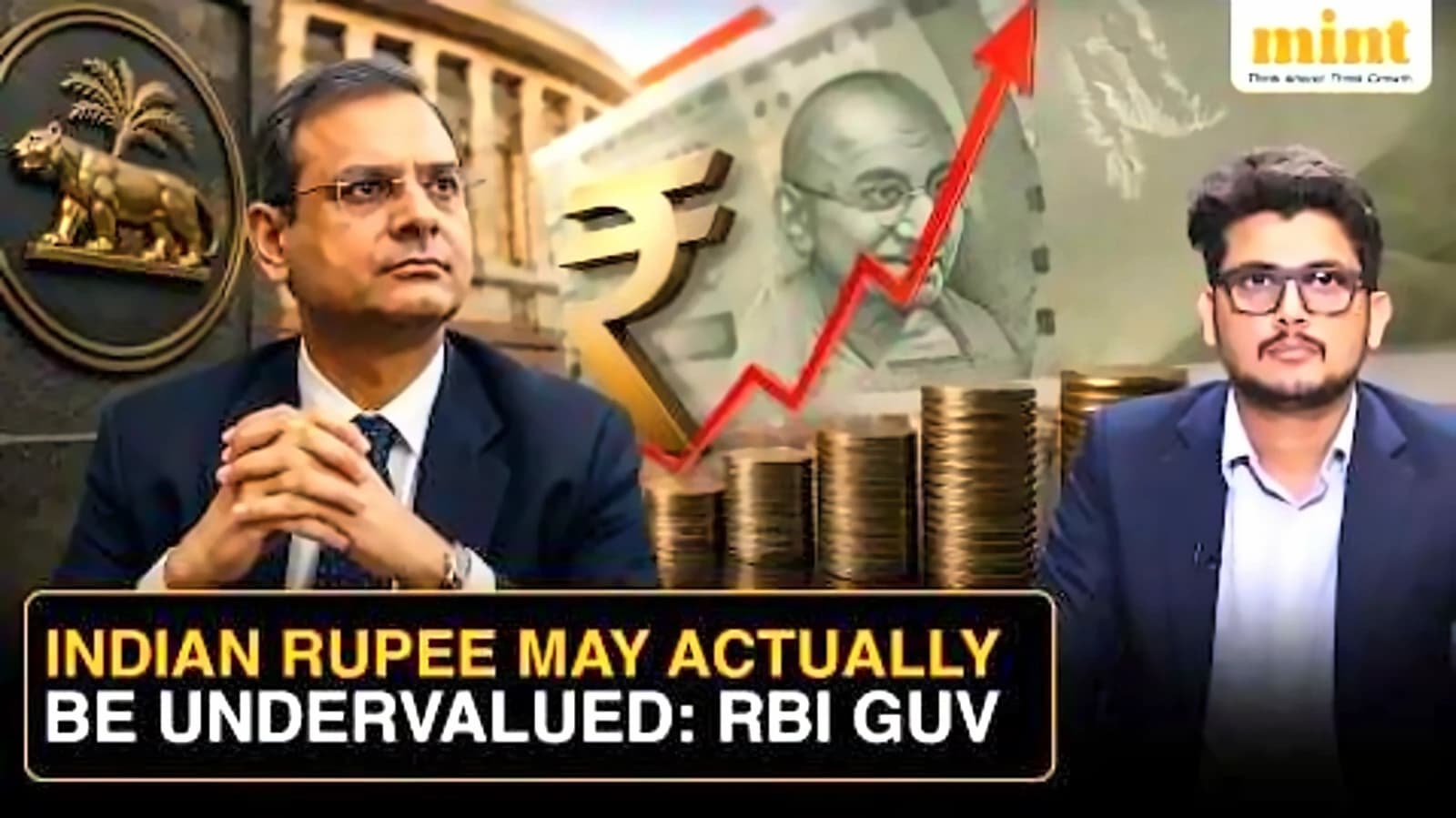
The rupee appreciated 31 paise to 94.86 against the US dollar in early trade on Thursday, as reported by The Hindu, building on momentum from RBI measures and Governor Sanjay Malhotra's supportive comments. The currency opened at 94.95 and gained ground to touch 94.86, registering a gain of 31 paise over its previous close of 95.17. This marks the sixth consecutive session of gains for the rupee, with the currency reaching an intraday peak of 94.77, which is a one-month high, as reported by Moneycontrol. The rupee had strengthened by 19 paise to close at 95.17 per dollar on Wednesday, as reported by The Hindu, and further strengthened, slipping below the 95 mark for the first time since September 8, 2026. The currency outperformed Asian peers following the Reserve Bank of India's introduction of measures to curb dollar demand and speculative positions.
India's WPI inflation accelerated to 11.39% from 9.92%, with food inflation reaching 8.66%, creating significant challenges for monetary policy, according to The Hindu. Combined with CPI inflation of 5.54%, dual inflation pressure makes it very difficult for the RBI to turn dovish, as noted by CR Forex Advisors MD Amit Pabari. Market expectations of rate hikes over the next 12 months have also increased, with tighter monetary policy potentially supporting the rupee through favourable interest-rate differentials and carry flows. The RBI's recent forex measures, including the special dollar window for oil companies, are helping ease immediate pressure on the spot market, providing additional support for the currency's recovery.
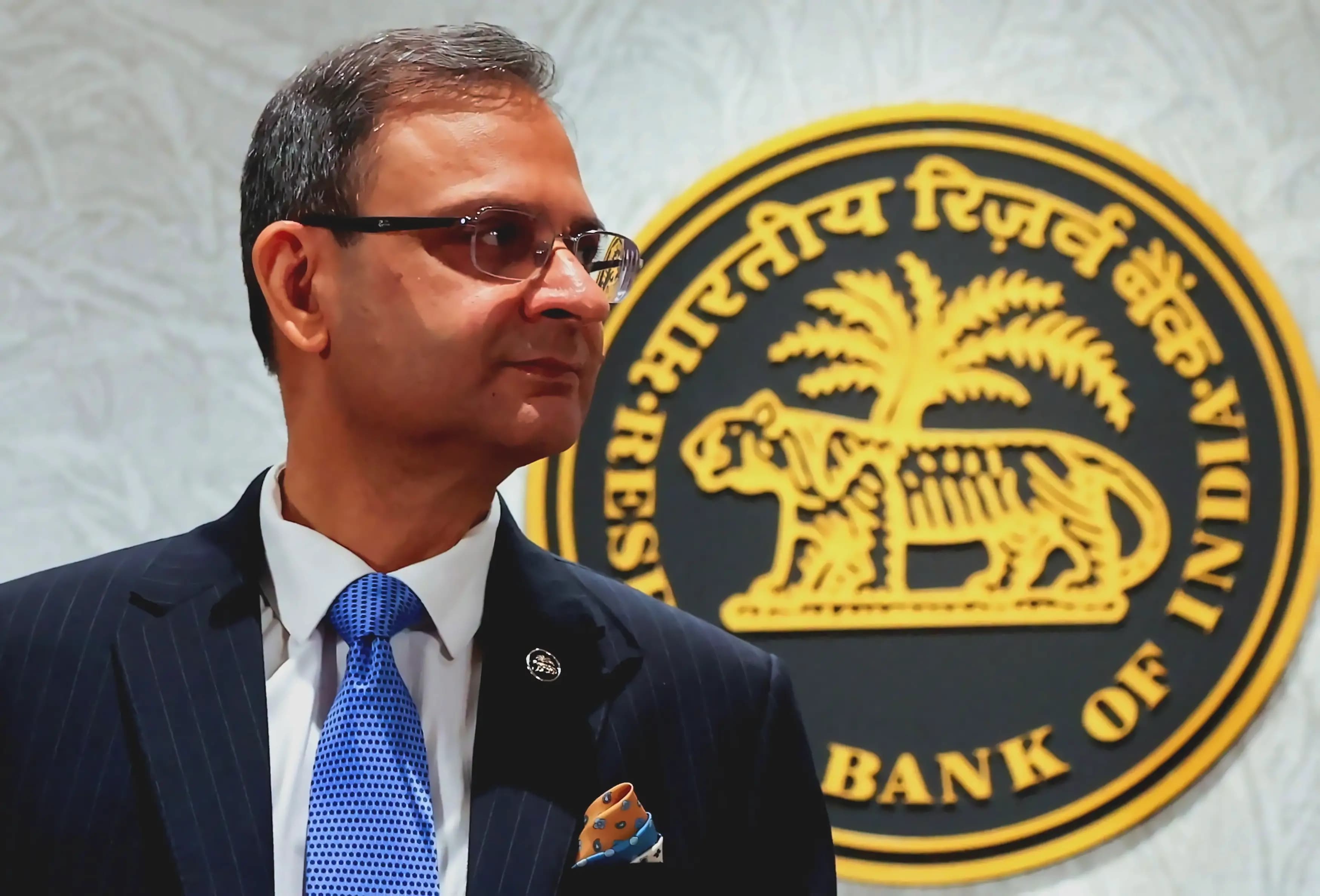
Reserve Bank of India Governor Sanjay Malhotra defended the central bank's recent forex restrictions, stating they were aimed at discouraging speculative positions and that the RBI was ready to take additional steps to ensure orderly movement of the rupee. Speaking to Business Standard, Malhotra said "while monetary policy was not typically used to address financial stability concerns, the two could not be entirely separated." Market participants interpreted these comments as a signal that the central bank had limited tolerance for further weakness in the rupee. The Governor emphasized that "we have repeatedly said that we do not target any particular price level or band for the rupee. Our effort has always been to ensure orderly movement in the currency and prevent excessive speculation." A currency trader noted that "the question now is how far the RBI is willing to go, and how much further the market will allow it," as the rupee had faced resistance during its recovery beyond the 95-per-dollar level in the previous session.
The rupee's recovery faced some pressure as dollar demand from importers seeking to hedge against further depreciation and continued portfolio outflows limited its gains, according to The Hindu BusinessLine. Indian importers continued to lock in future dollar purchase rates to protect themselves against further rupee depreciation, despite higher hedging costs following the RBI's measures. The one-month forward premium rose to 7.18 per cent from 5.66 per cent in the previous session. Foreign portfolio investors have pulled out about $4.9 billion from Indian markets so far in October, adding to the currency's challenges. The currency had declined more than 7 per cent so far in 2026 before the RBI announced fresh measures over the weekend, but has recovered around 1.7 per cent this week. However, "the rupee appreciation offers companies buying opportunities," noted a trader, highlighting the potential benefits for importers. With RBI keeping rupee within a range and not allowing any weakening, exporters are taking advantage of the higher premium while importers need to buy the dips for near terms only as premiums for November are very high currently.
The RBI's October 10 measures seek to curb speculative and precautionary dollar demand by tightening limits on banks' foreign exchange positions, restricting the rebooking of cancelled contracts and opening a direct dollar window for oil companies, as reported by CNBC TV18. The central bank has also introduced a 20% Foreign Exchange Risk Reserve requirement on specified rupee derivative contracts exceeding $2 million, which could increase the cost of offering currency hedges with some of the additional expense potentially passed on to clients. Sonam Srivastava, Founder and CEO of Wright Research, said high crude oil prices, foreign investor outflows and relatively limited capital inflows have weighed on the rupee this year, though the measures have helped moderate currency volatility. For the rupee's medium-term direction, crude oil prices, India's balance of payments and movements in the US dollar would remain key factors, with a more balanced distribution of hedging demand between importers and exporters being an important indicator to watch for signs of easing pressure on the currency.