The Indian Rupee has achieved a remarkable comeback, strengthening 1.5% over two trading sessions following the RBI's comprehensive intervention measures. According to The Hindu BusinessLine, the currency closed at 95.28 on Tuesday, gaining 49 paise from the previous close of 95.77, building on Monday's historic 1% surge that marked the steepest single-day gain in more than six months. Overall, the Indian currency has gained around ₹1.77 against the US dollar in two sessions from Friday's closing level of 96.73, demonstrating the effectiveness of the central bank's aggressive defense strategy. The currency bounced back from a near all-time low following the RBI's announcement of comprehensive measures to support the currency, with the sharp opening gain reflecting the impact of the RBI's latest measures and its intervention in the foreign-exchange market. Monday's close at 95.78 showed the currency's remarkable turnaround in just three trading sessions, with the repeated rejection of 96.70–96.90 level suggesting the dollar is facing a significant ceiling. On Tuesday, the rupee ended at a five-week high, closing near a one-month high amid the continued regulatory support. It was expected to extend the recovery on Wednesday, with traders looking for an opening around ₹95.04 to ₹95.12.
While the rupee's recovery is significant, bank treasury officials have expressed concerns about the operational impact of RBI's latest measures. As reported by The Hindu BusinessLine, bank treasury officials said that, following the latest RBI measures on risk management and inter-bank dealings announced on Monday, banks may find it difficult to operate their treasury functions effectively. The spot bid/ask spread had widened to around 20 paise at one point in morning trades, but by evening, the spread had largely normalised to around two to three paise. "If participants buy dollars, they may need to enter into forward transactions or swaps, which could attract additional margin/reserve requirements, going by the latest measures. This is restricting market activity," said a senior dealer with a public sector bank. "As per the latest circular, it appears banks are required to maintain margins on their own positions as well, including positions taken to hedge their assets and liabilities. Banks already have to maintain FERR on forex-related requirements arising from customer transactions. Now, if similar requirements apply to the banks' own books, it will significantly increase their costs," said a treasury official with a private sector bank.

The Reserve Bank of India (RBI) announced four comprehensive measures on Saturday to protect the falling Indian currency, with additional tightening measures implemented on Monday. According to The Hindu BusinessLine, the RBI opened a special window to meet the entire daily dollar requirements of three public sector oil marketing companies (OMCs) - Indian Oil Corporation, Hindustan Petroleum Corporation and Bharat Petroleum Corporation. The facility will be available to three state-run Oil Manufacturing Companies (OMCs) - Indian Oil Corporation Ltd, Hindustan Petroleum Corporation Ltd, and Bharat Petroleum Corporation Ltd. The facility took effect on Monday, October 12, 2026, and remains in place until further notice, with the RBI selling US dollars to these companies through designated banks to meet their entire daily dollar requirements of approximately $300 million each. Later on Monday, RBI tightened rules on rupee non-deliverable derivative contracts, limiting overseas clients to using them only for hedging, and widened a 20% cash reserve requirement to banks' own rupee currency hedges. The oil window is expected to take out about $10-12 billion of monthly dollar demand from the spot market, per government data on oil imports. The daily CRR maintenance has been raised to 99% and simultaneously the RBI announced a ₹25,000 crore OMO sales to tighten liquidity in the system.
The RBI has implemented significant changes to the foreign-exchange derivatives market to curb speculative activity and reduce rupee volatility. According to The Hindu BusinessLine, the RBI now disallows rebooking cancelled rupee-linked derivatives and has reduced the threshold for taking derivative positions without underlying exposure from $100 million to $5 million. The new Foreign Exchange Risk Reserve (FERR) requires authorized dealers to maintain a cash reserve with the RBI equal to 20% of the rupee equivalent of notional amounts of qualifying INR-linked foreign-exchange derivative contracts exceeding $2 million. This framework covers INR-linked contracts used to hedge current-account transactions where users purchase foreign currency against the rupee. Bankers estimate that the new rules could increase hedging costs by around 80 to 150 basis points, making currency hedging more expensive and potentially discouraging companies from aggressive forward dollar purchases. The RBI has also tightened compliance requirements, with companies entering qualifying contracted hedges now required to provide undertakings confirming no duplicate hedging through other authorized dealers.
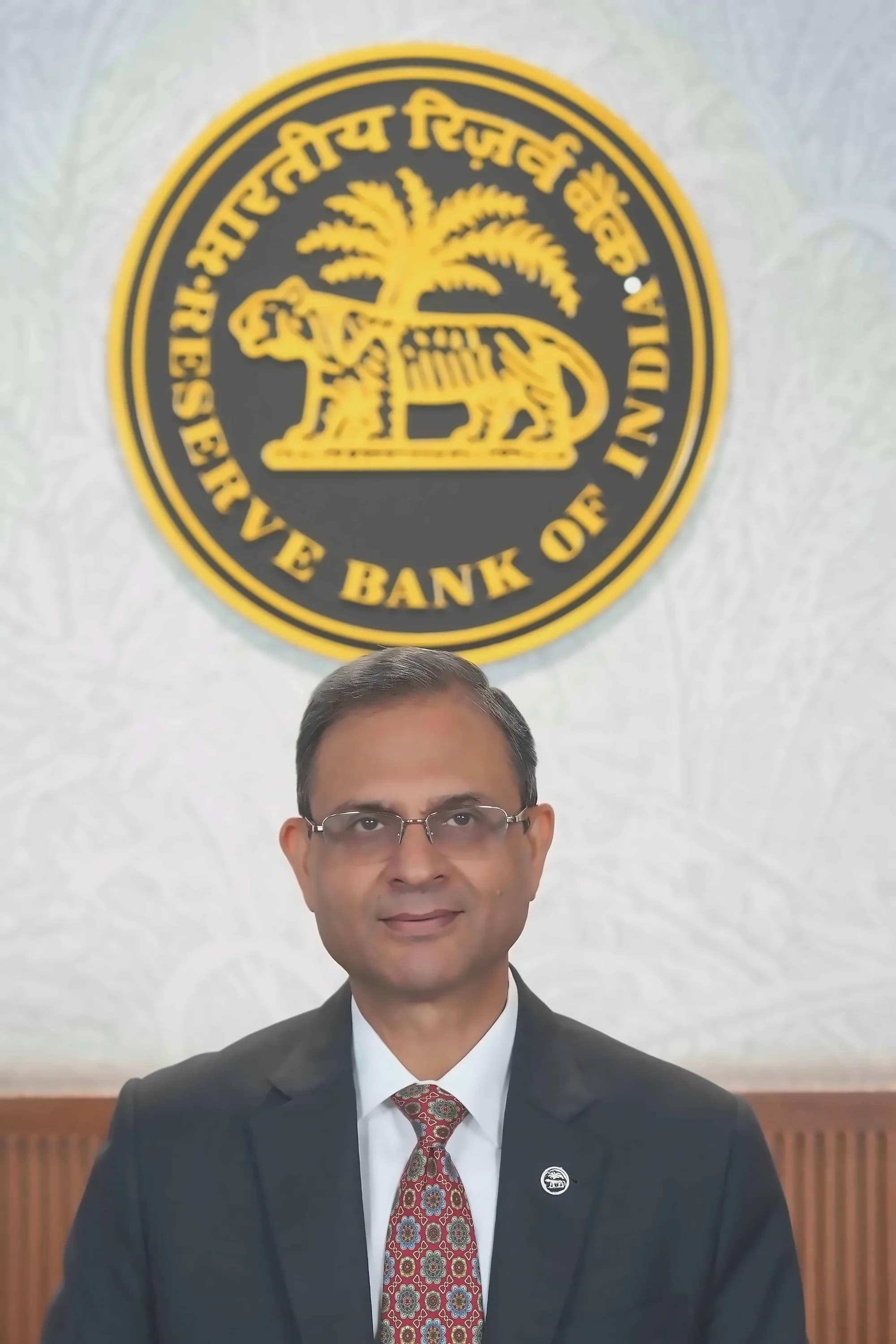
The RBI's latest intervention has been reinforced by comments from Governor Sanjay Malhotra, who indicated the central bank's preparedness for additional action. In an interview, Malhotra said the central bank could take further steps if necessary to curb speculative activity and ensure orderly movement in the foreign-exchange market. Importantly, he rejected the idea that the latest measures amount to capital controls, stating that capital-account transactions remain outside the customer-level FERR requirement, and foreign investors continue to be able to bring money into and take money out of India. "The objective, according to the Governor, is to prevent excessive volatility and one-sided speculative bets from overwhelming normal market forces," as reported by Dalal Street Investment Journal. The RBI wants to discourage speculative demand without making it unnecessarily difficult for genuine importers and businesses to protect themselves from currency volatility.
The RBI's intervention comes as crude oil prices have surged above $100 per barrel, creating unprecedented pressure on India's oil marketing companies. As reported by The Hindu BusinessLine, Brent crude traded in the $102–105 a barrel range, while West Texas Intermediate crude remained above $92, with elevated Brent prices continuing to limit relief on the inflation front. Ajit Mishra, Senior Vice-President of Research at Religare Broking, said elevated Brent prices continued to limit relief on the inflation front. Higher oil prices can increase India's import bill and add to inflationary and current account pressures. India depends on imports to meet more than 88% of its crude oil requirements, leaving the economy exposed whenever international crude prices rise or the rupee weakens against the dollar. Oil imports have to be paid for, and a weaker rupee increases their cost in domestic currency, with companies unable to fully pass on higher costs to consumers, putting margins and finances under pressure. The combined daily dollar requirement of the three oil companies is around $200 million, making their removal from the open market a significant intervention.