UNCTAD has projected global economic growth at 2.6% in 2026, down from 2.9% in 2025, as the global economy slows amid geopolitical tensions, energy shocks and widening development gaps. According to the United Nations Conference on Trade and Development's Trade and Development Report 2026, Asia is projected to contribute 59% of global economic growth in 2026, with India expected to expand by 7.3%. The report highlights that developing economies are expected to grow by 4% compared with 4.7% last year, while trade in goods and services is projected to expand by around 4% at constant prices in 2026. China is expected to grow by 4.5% and Indonesia by 5.2%, with other high-growth economies including Kyrgyzstan at 8.8%, Uzbekistan at 7.9%, Vietnam at 7.8%, Mongolia at 7% and Tajikistan at 6.6%.
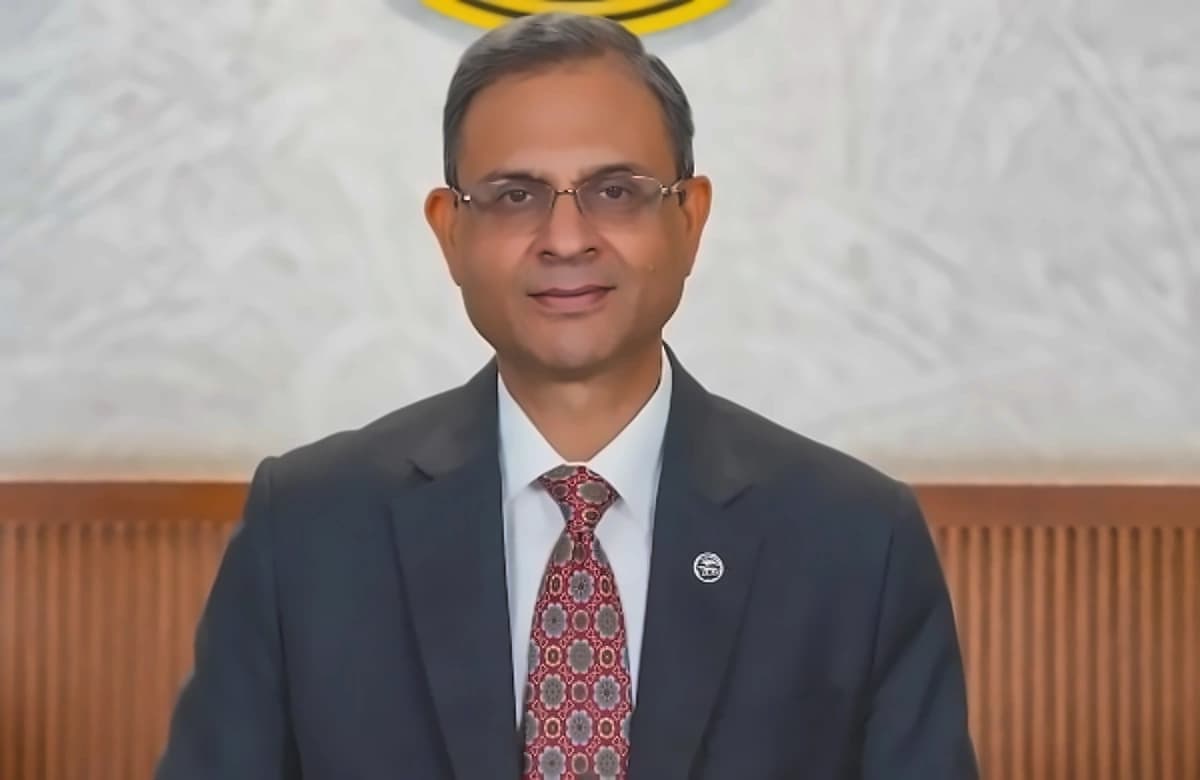
The Reserve Bank of India has projected GDP growth at 7.1% for FY27 while maintaining its repo rate at 6.25% following its October 2026 policy shift. According to the latest RBI projections, CPI inflation is expected to moderate to 5.2% in the coming fiscal year. The central bank's October policy represents a clear indication that price stability remains the absolute priority even as robust domestic growth provides necessary economic cushion. This projection comes as the RBI adopts a calibrated tightening stance, with no immediate rate cuts expected despite moderating credit growth and the challenging global economic environment.
RBI Governor Sanjay Malhotra and Deputy Governor Swaminathan J have clarified that interest rate hikes will not harm broader economic expansion despite moderating credit growth. According to Rediff Moneynews, the RBI hiked the repo rate by 0.25% and adopted a 'calibrated tightening' stance, with no immediate rate cuts expected. Deputy Governor Swaminathan J explained that it typically takes around two quarters for rate hikes to transmit to actual lending rates for end borrowings. The central bank believes that credit growth will moderate from the current decadal high of over 18% to a sustainable 20% level, which will be adequate to support growth while maintaining economic expansion amid the challenging global economic outlook.
RBI Governor Sanjay Malhotra emphasized that economic benefits take precedence over central bank operational costs during a post-policy media interaction. According to reports from Business Standard, Malhotra stated that while the cost to the central bank is not the primary focus, the overall benefit that accrues to the economy is the key consideration. When questioned about imposing a cash reserve ratio on banks as the least-cost option for the RBI, Malhotra responded by directing attention to the broader economic impact rather than internal operational expenses. As reported by Rediff Moneynews, Governor Malhotra added that a few percentage points 'here and there' should not matter too much for the economy, particularly as India maintains its strong growth trajectory in the challenging global environment.
RBI Governor Sanjay Malhotra acknowledged that several measures suggest the rupee may be undervalued during a post-policy press conference on Wednesday. Speaking in response to questions about continued rupee weakness despite India's ability to attract foreign inflows, Malhotra stated that "only in the long run they are able to find the right value." According to Reuters, Malhotra added that "by a number of estimates, including the REER (real effective exchange rate), rupee ... may be undervalued." The governor later assured that the RBI would ensure the rupee stabilizes, finds its correct value and moves in an orderly manner. His comments came as the rupee fell to 96.8450 per dollar on Wednesday, nearing its record low of 96.96 hit in May.
The RBI's October policy shift represents a significant change in monetary policy stance after an extended period of easing and neutrality. According to Rediff Moneynews, the central bank's assessment points to risk of second-round inflation effects despite only limited signs of supply-side pressures becoming embedded in pricing behaviour. The RBI flagged elevated inflation expectations, broader price pressures and strong growth in monetary and credit aggregates, marking a change in the central bank's policy reaction function. The immediate signal is that further cuts are unlikely, with the next move depending increasingly on whether inflation pressures broaden or begin to moderate. As reported by Business Standard, the 25-basis-point hike signals that price stability is gaining priority even as economic growth remains resilient in the challenging global economic environment.