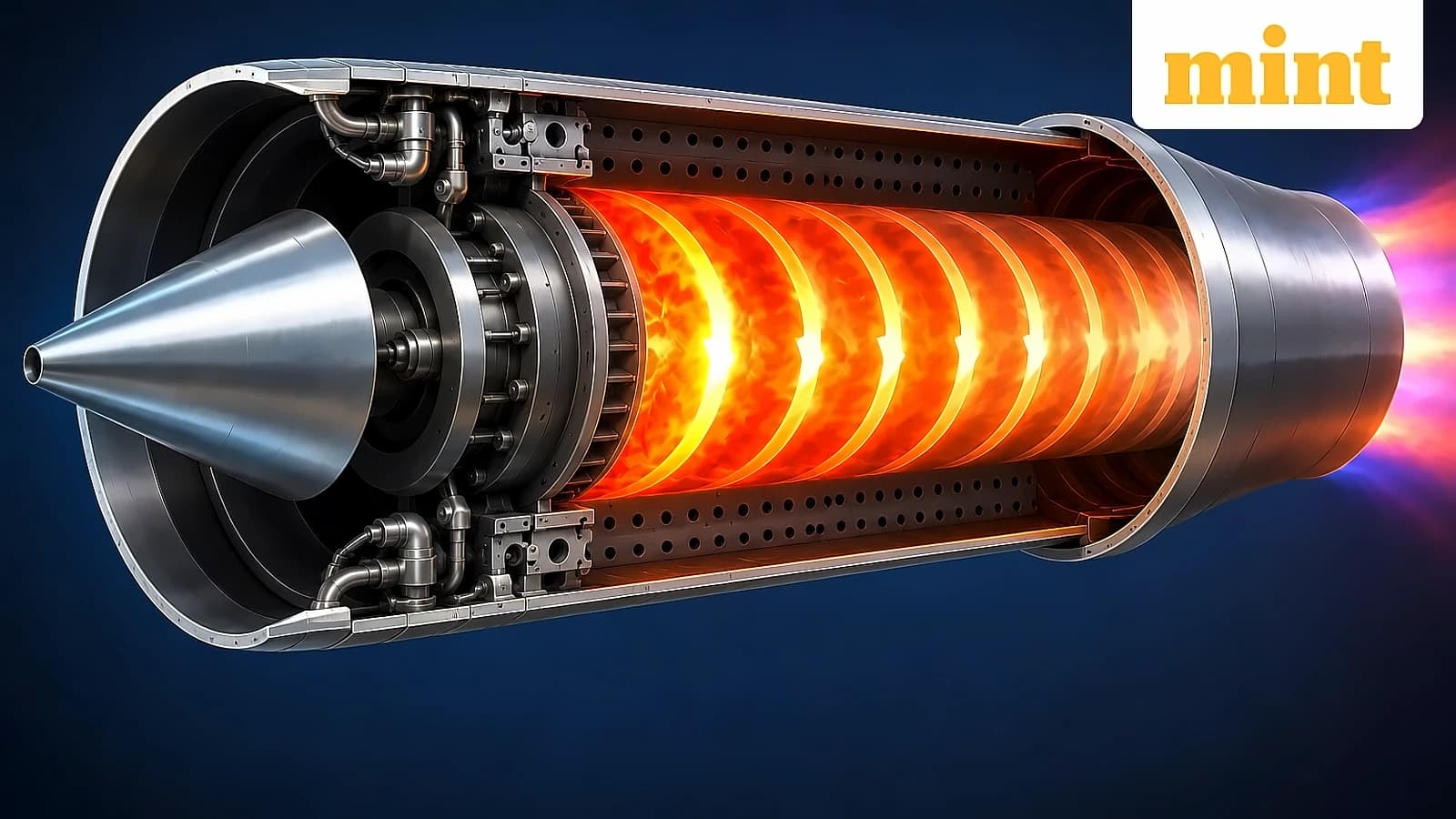
The Indian Space Research Organisation successfully conducted a hot test of its semi-cryogenic engine power head at 88% of its target thrust on June 24 at the ISRO Propulsion Complex in Tamil Nadu. According to ISRO's statement, the test demonstrated stable operation of the engine's power head at a thrust level of 175 tons, marking a significant milestone in the development of a new propulsion system. The crucial test, conducted as the eighth in a series of hot tests using the Power Head Test Article (PHTA), encompassed all engine systems except the thrust chamber and followed earlier tests at 47% and 60% thrust levels. As reported by UNI, this test included study of build up after Pre-burner ignition and demonstration of steady state operation at higher thrust levels, with the PHTA tested at 175 tonne thrust level (88%) for the first time. The test proceeded as predicted and all engine parameters were as expected, providing sufficient confidence towards the demonstration of steady state performance of engine powerhead at 200 tonne (100%) thrust level.
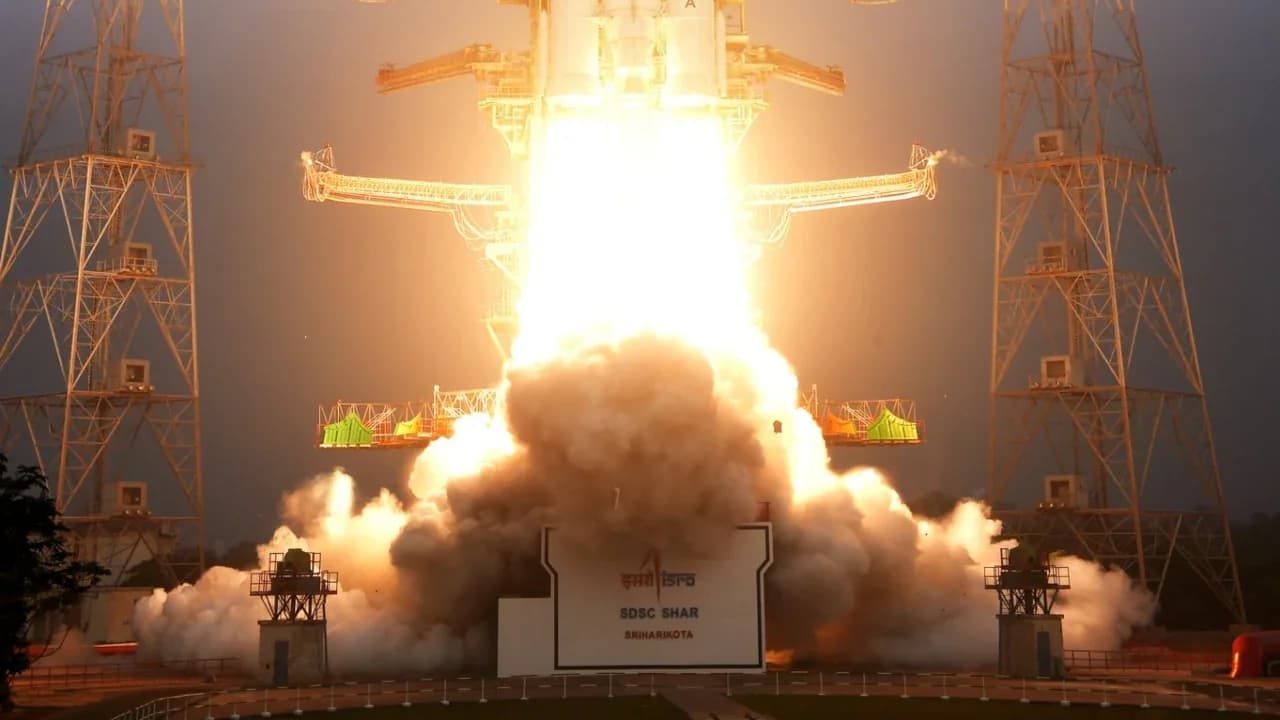
The semi-cryogenic propulsion stage is being developed to replace the L110 core stage on India's LVM3 launch vehicle. As reported by ISRO, the upgrade is powered by the 2,000-kilonewton SE2000 engine and is expected to boost payload capacity while improving operational efficiency. The new system will utilize liquid oxygen and purified kerosene (isrosene)-based fuel, representing a significant advancement in India's space launch capabilities. The Semi-Cryogenic Propulsion Stage (SC120) is being developed to replace the current L110 core stage of the LVM3 launch vehicle, with this strategic upgrade expected to substantially increase the payload capacity while enhancing operational efficiency. The semi-cryogenic system uses cleaner, non-toxic propellants-Liquid Oxygen (LOX) and purified Kerosene (isrosene), offering improved performance over conventional propulsion stages.
According to ISRO's statement, the successful test results provide the necessary confidence to proceed with the next phase of development. The space agency indicated that the full-thrust demonstration at 200 tons will be conducted following the current successful test results. ISRO Chairman V Narayanan confirmed that "satellites are ready, and we are working on that, an exact date will be provided soon," while noting that Gaganyaan is a technology-intensive mission requiring three uncrewed missions before human spaceflight. The agency is also planning future missions of LVM3 to be operated with an uprated C32 stage with 22 tonne thrust for the CE20 engine to enhance the vehicle's payload capability. The integration of the Semicryogenic propulsion system, in tandem with an uprated cryogenic upper stage, signifies a major advancement in ISRO's roadmap towards enhancing LVM3 payload capability.
This semi-cryogenic engine test represents part of ISRO's broader propulsion development efforts. Earlier in March, ISRO conducted a sea level hot test of its cryogenic engine at 22 tonne thrust, up from earlier 19 tonne thrust, using nozzle protection system and multi-element igniter at its propulsion complex in Mahendragiri. The CE20 cryogenic engine currently powers the upper cryogenic stage of LVM3 launch vehicle, with ISRO planning future missions to be operated with the uprated C32 stage to further enhance payload capability.