BRICS leaders have officially recognized the importance of international cooperation in peaceful space exploration and use, as stated in the New Delhi Declaration 2026. The declaration emphasized that there is a need to ensure the use of space systems and achievements of space science and technologies for peaceful purposes. As reported by Business Standard, leaders also reasserted support for ensuring the long-term sustainability of outer space activities and prevention of an arms race in outer space (PAROS) and of its weaponisation. The declaration specifically stated that we reassert our support for ensuring the long-term sustainability of outer space activities and prevention of an arms race in outer space (PAROS) and of its weaponization, as well as the threats or use of force against outer space objects, including through negotiations to adopt a relevant legal multilateral instrument to ensure global security. This recognition comes as BRICS space agencies discussed space-debris mitigation for sustainable outer space activities during the recent BRICS Heads of Space Agencies meeting held in Bengaluru in June. The countries also welcomed the discussions at the BRICS Heads of Space Agencies meeting held in Bengaluru, with agencies emphasizing the importance of space-debris mitigation to ensure the long-term sustainability of outer-space activities.
BRICS countries are developing a Remote Sensing Satellite Constellation (RSSC) that experts say could revolutionize space technology accessibility. According to reports from Business Standard, the proposed constellation would create a shared satellite system with common Earth observation capabilities and a risk-revenue sharing model. This initiative aims to provide affordable access to satellite data while helping reduce space debris through coordinated observations and data sharing among member nations. The RSSC is a virtual constellation comprising satellites contributed by BRICS space agencies, whose aim is to get access to satellite remote-sensing data that could be used by the individual BRICS nations for various applications, including natural-resources management and disaster management. The nations noted the achievements of the BRICS Remote Sensing Satellite Constellation (RSSC) in harnessing space technology to address global challenges and foster socio-economic development. The RSSC will include earth-observation satellites and their ground infrastructure that will be used for coordinated observations and sharing of data, as confirmed in the latest declaration.
As reported by Business Standard, experts emphasize that a shared constellation can optimize resources and reduce space debris. Sudheer Kumar N, who spent decades at the Indian Space Research Organisation (ISRO) before moving into the private space ecosystem, explained that if every country independently launches constellations, it will only congest space. He noted that a group of friendly nations on a risk- and revenue-sharing basis will reduce data expenses. The constellation is expected to replicate the European Union's Copernicus initiative, designed to provide valuable information services. The declaration also reiterate our commitment to reducing existing asymmetries in space capabilities among Brics countries, highlighting the constellation's role in addressing capability gaps among member nations.
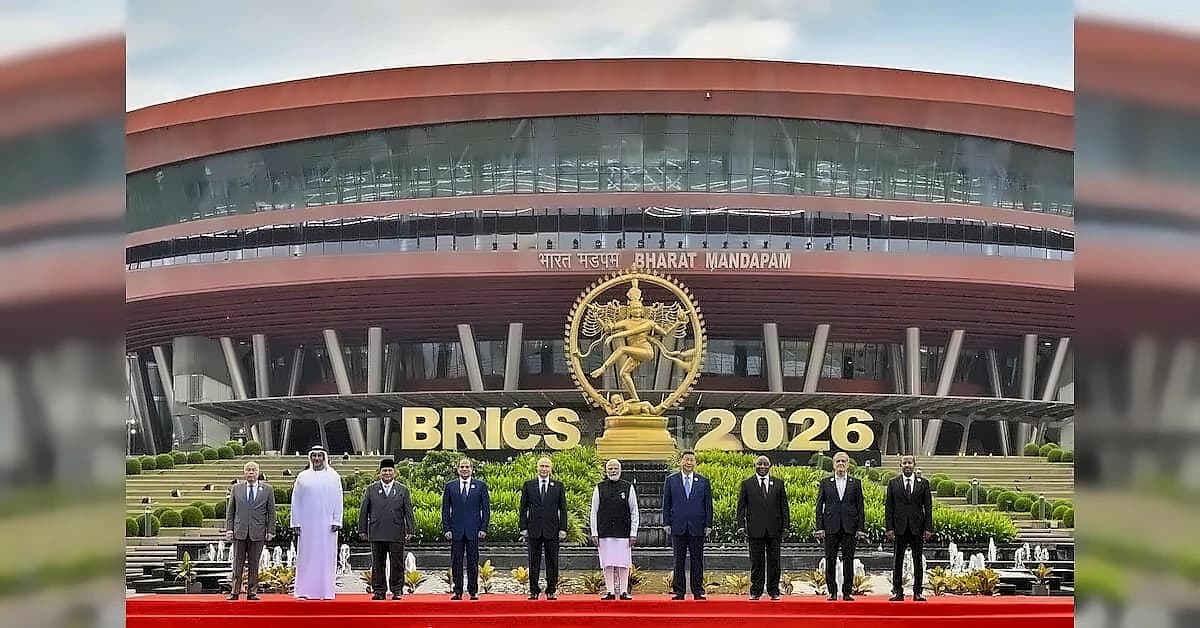
According to Business Standard, India's role in the RSSC development could be crucial as the constellation evolves from a BRICS initiative into a genuinely shared system. Sreeram Ananthasayanam, Partner at DigiGov and SpaceTech, Deloitte South Asia, highlighted that India hosting the BRICS Heads of Space Agencies meeting in Bengaluru isn't incidental. He suggested that when RSSC matures into a shared constellation, India is positioned to do for Global South Earth observation what Copernicus did for Europe. Ananthasayanam emphasized that India's civilizational concept of Vasudhaiva Kutumbakam (the world is one family) aligns perfectly with the constellation's global service approach.
As reported by Business Standard, the New Delhi Declaration 2026 appreciated the achievements of the BRICS Remote Sensing Satellite Constellation (RSSC) in addressing global challenges. The declaration welcomed significant progress in finalizing the amendment to the BRICS RSSC Agreement for including new BRICS Space Agencies and drafting Terms of Reference for the BRICS Space Council. Leaders also appreciated the achievements of the BRICS Remote Sensing Satellite Constellation (RSSC) in harnessing space technology to address global challenges and foster socio-economic development. The declaration emphasized prevention of an arms race in outer space (PAROS) and welcomed moves by the BRICS Heads of Space Agencies meeting held in Bengaluru that emphasized space debris mitigation. The declaration also recognised the submission of the updated Draft Treaty on the Prevention of the Placement of Weapons in Outer Space, the Threat or Use of Force against Outer Space Objects (PPWT) to the Conference on Disarmament in 2014 as an important step towards peaceful space cooperation. It stressed that practical and non-binding commitments such as Transparency and Confidence-Building Measures (TCBMs), and universally agreed norms, rules, and principles may also contribute to PAROS. The declaration noted the initiative of some Brics Members at the General Assembly to create a single Open-Ended Working Group to enable coherent, inclusive and effective discussions that serve such purpose and undertake to engage constructively in the process.