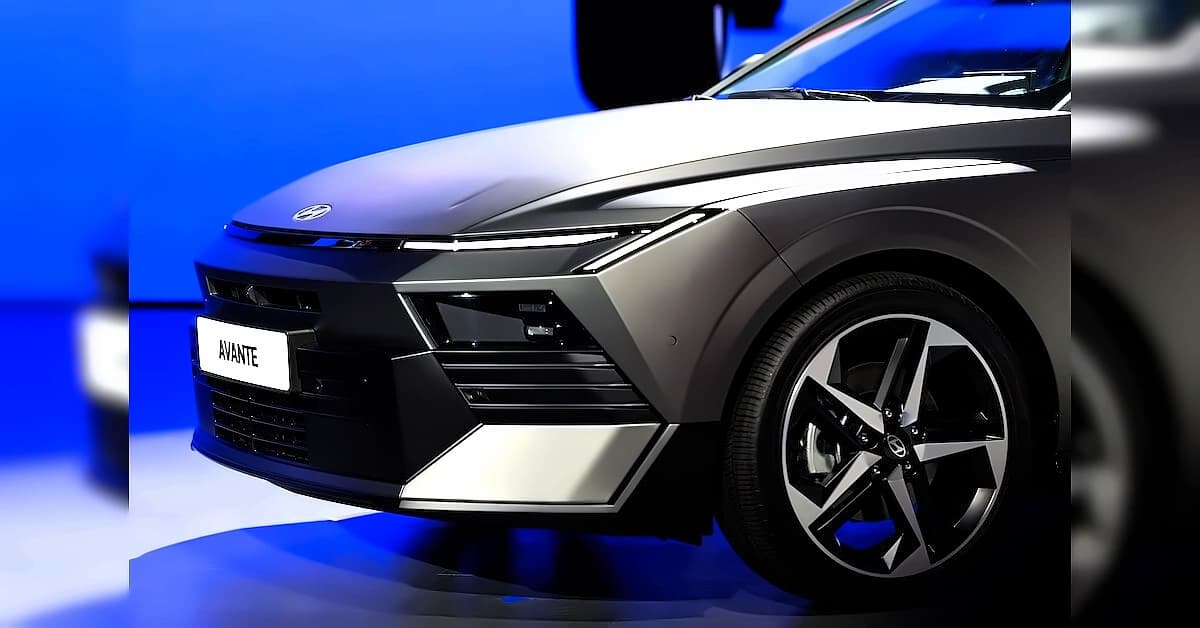
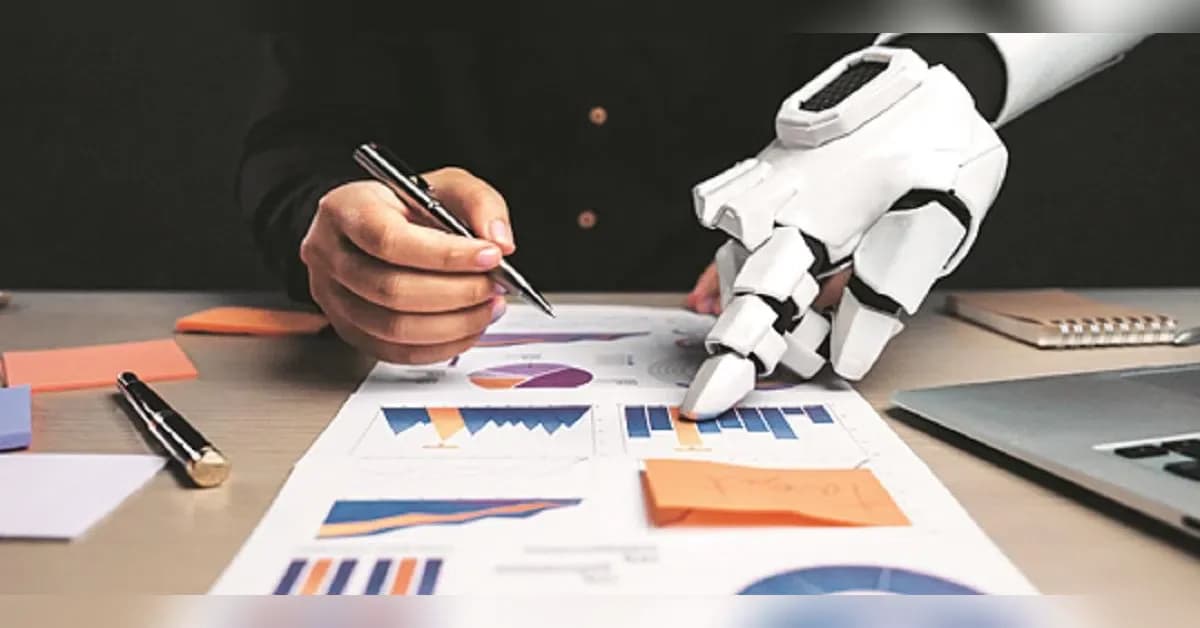
The automotive industry is experiencing its most significant transformation in over a century, according to the World Economic Forum. Vehicles are rapidly evolving into software-defined systems anchored by centralised compute, modular architectures, and continuous updates. This shift decouples hardware from software lifecycles, dramatically redistributing value among original equipment manufacturers (OEMs), suppliers, and tech platforms. As control pivots from isolated components to integrated software stacks, traditional roles across the value chain are being thoroughly redefined. The transition is being driven by a simple economic and engineering reality: as the value in a vehicle shifts from mechanical hardware to software, the old distributed model of one ECU per function no longer scales. A modern car can carry a hundred or more ECUs, each with proprietary firmware and dedicated wiring, adding weight, cost, and complexity while making updates a service-bay exercise rather than a remote one.
South Korea's largest carmaker is leveraging its manufacturing scale, Boston Dynamics and partnerships with Nvidia and Waymo to move beyond traditional automotive manufacturing. Hyundai Motor Group Executive Chair Chung Euisun announced at the San Francisco AI Summit on July 24 that the world's third largest automaker by volume is seeking to transform itself into a physical artificial intelligence company spanning autonomous cars, robots, intelligent factories and urban infrastructure. The strategy represents Hyundai's boldest effort yet to reinvent itself as the automotive sector grapples with a broader transition toward software-defined vehicles, autonomous mobility and intelligent machines. The company is backing this vision with a planned ₹624 billion ($6.24 billion) AI, robotics and energy hub in Saemangeum, a reclaimed coastal area in southwestern Korea, including a data center expected to handle about 50,000 graphics processing units. As Chung explained, "Hyundai Motor Group is evolving beyond the traditional boundaries of automotive manufacturing by expanding into autonomous driving, robotics and AI-defined factories, accelerating our transformation into a physical AI solutions company."
Hyundai's vision extends far beyond traditional automotive manufacturing into what the company calls physical AI. The strategy starts with intelligent devices such as autonomous vehicles and robots, then expands to AI-defined factories connecting production, logistics and quality control. The final stage would link mobility, energy, robotics and other infrastructure across entire cities, ultimately achieving what Hyundai describes as city-level intelligence. This physical AI approach embeds AI in machines and physical systems rather than operating solely within software or digital environments. The partnership could provide a model for an autonomous-vehicle foundry business in which Hyundai manufactures car designs around the software and sensor systems of tech companies, while technology companies provide autonomous-driving software and service platforms. Waymo recently opened a Korea unit, strengthening partnerships with Hyundai and other domestic partners. However, as industry observers note, such cooperation carries strategic risks, with the potential for Hyundai to become a supplier of physical hardware while US technology companies control AI chips, operating platforms, and customer data.
The new architecture integrates a wide range of software from ADAS and automated driving to infotainment, powertrain, chassis, body comfort, and connected security. As the market evolves, tech providers and automakers will increasingly co-develop software to align their needs and build a unified driving experience. For years, automakers ran on fragmented software provided by different suppliers, with each hardware vendor trapped in its own proprietary system, resulting in disconnected software across vehicles. The monolith is being broken into microservices packaged as containers, orchestrated by lightweight frameworks such as K3s, and delivered through standardized abstraction layers. This makes it possible to write a workload once and deploy it across a heterogeneous fleet. The same talent pool that built platforms for global manufacturers can help author India's own SDVs, aligning with the spirit of Atmanirbhar Bharat: products built for India, with export potential, using software that scales without a proportional increase in cost.
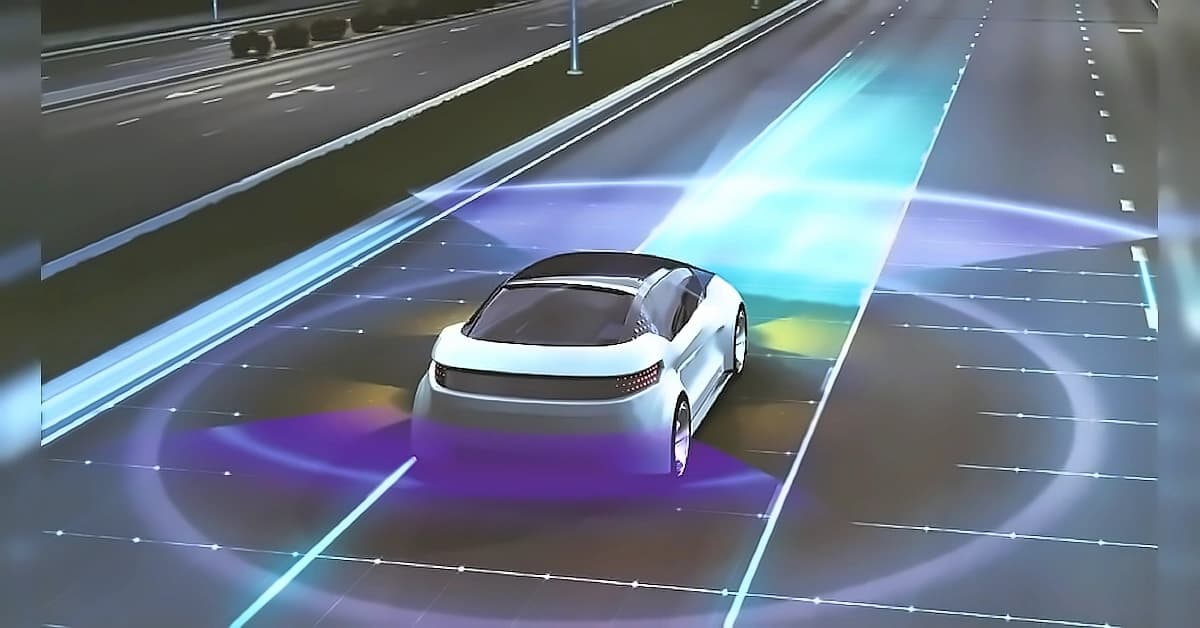
Hyundai's strategy centers on partnerships with major technology players, with US AI giant Nvidia playing a critical role in the plan. The company has agreed to secure 50,000 of Nvidia's Blackwell graphics processing units and is working with the US chipmaker to establish a Hyundai Motor Group Robot Application Center, as well as NVIDIA's AI Technology Center in Korea. The partnerships extend beyond Nvidia, with Waymo, Alphabet Inc.'s autonomous driving unit, expanding cooperation to produce Ioniq 5 electric vehicles for Waymo robotaxis at Hyundai Motor Group Metaplant America in Georgia. The company has made strategic senior hires from global technology companies, including former Nvidia Vice President Park Min-woo as head of the Advanced Vehicle Platform Division and former Samsung Electronics executive Kwon Jung-hyun to head the Autonomous Driving Development Center. These appointments underscore Hyundai's push to build its own software, robotics and AI capabilities while cutting its dependence on outside technology platforms. The group also operates its own robotics laboratory, which has developed platforms including the MobED mobile robot, and plans to deploy Boston Dynamics' Atlas humanoid robot at the Hyundai Motor Group Metaplant America in Georgia 2028, with an annual US production capacity of 30,000 robots by 2028.