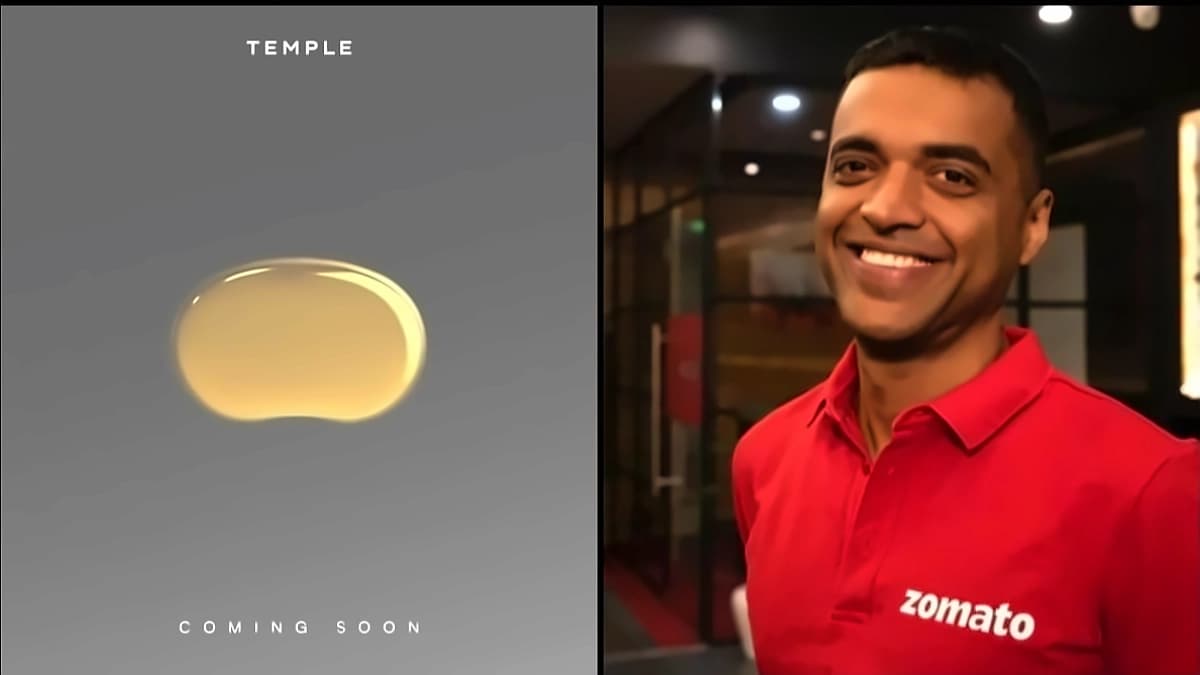
Zomato founder Deepinder Goyal has officially opened pre-orders for Temple devices, marking a significant expansion from the initial early access programme. As reported by CNBCTV18 Digital, the company has confirmed that the first 100 units are ready for shipment, representing the first step toward broader market availability. The device is now accessible to a wider audience through the pre-order system, moving beyond the selective early access programme that previously limited availability to athletes, scientists, founders, doctors, and creators. According to Times Now, the rollout is intentionally selective, with the company looking for users who can provide thoughtful, structured feedback rather than a mass market launch. The early access programme was specifically targeted to gather detailed feedback to help shape the product's development, with participants potentially offered the opportunity to join a future funding round.
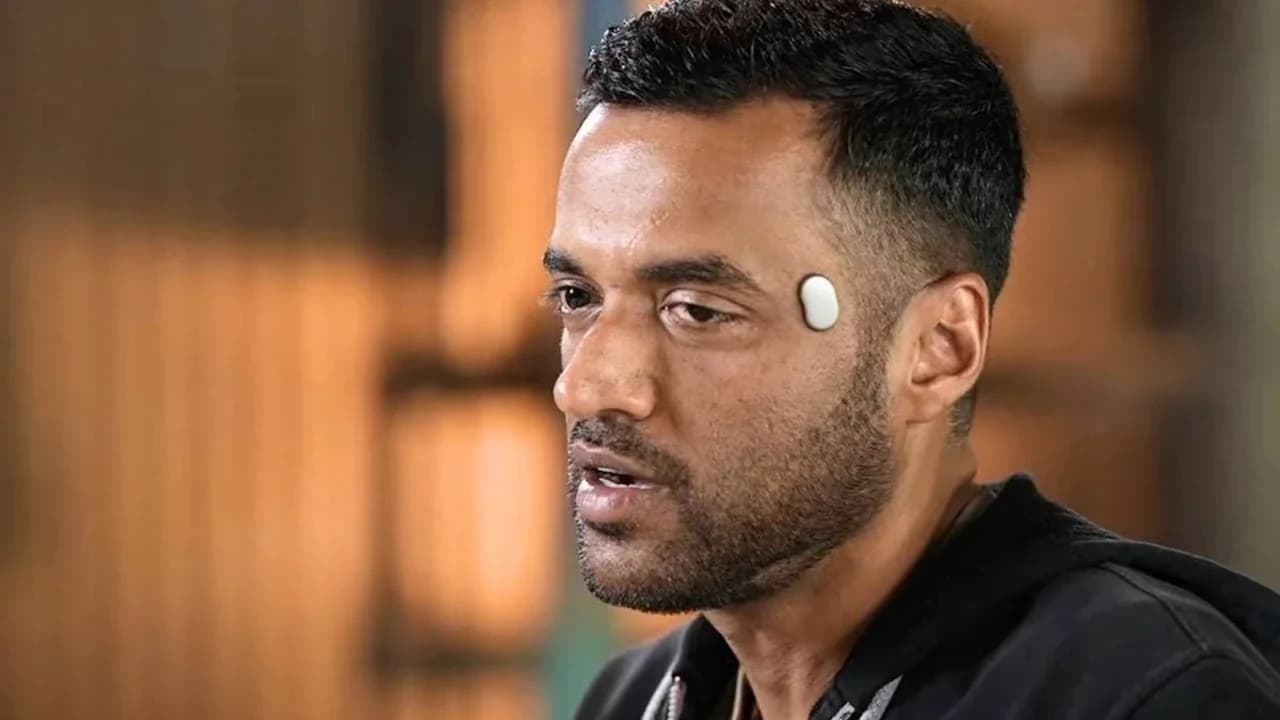
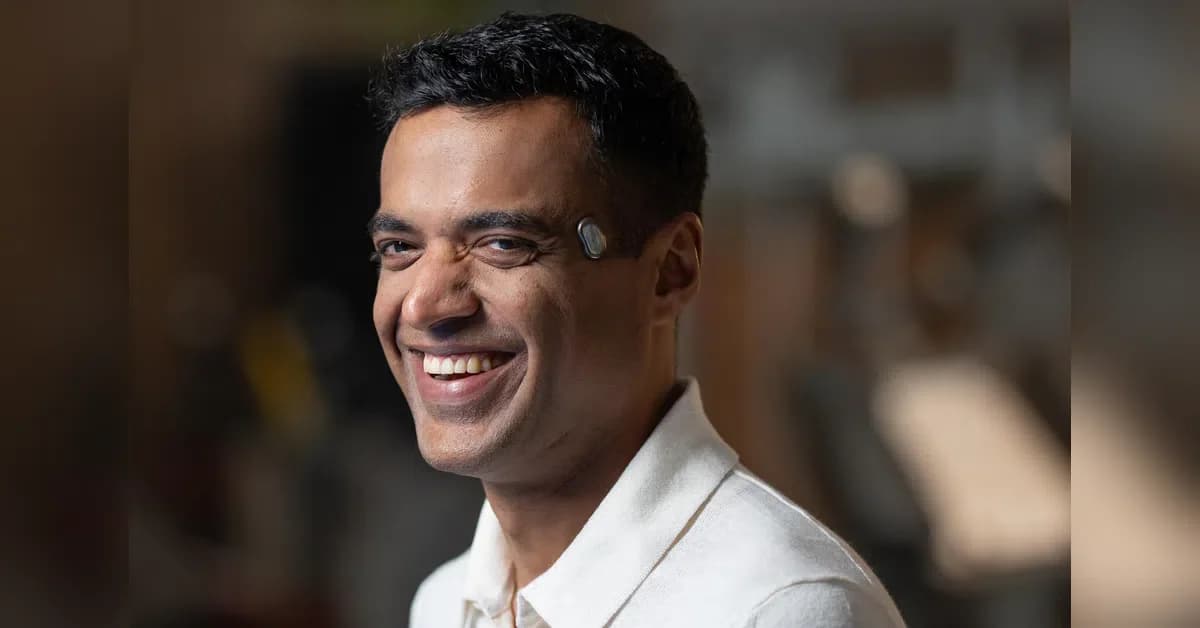
As reported by Goodreturns, Temple is described as a brain blood-flow monitoring device developed under Goyal's tech venture Eternal. Unlike conventional fitness trackers worn on the wrist, Temple is positioned on the side of the head, which the company says enables richer and cleaner physiological data capture. The region has thin skin, high blood flow, and reduced motion, allowing the device to capture biological signals with greater accuracy due to thinner tissue and dense vascular structures in that area. The product is designed to track cerebral blood flow in real time using non-invasive sensors and is positioned as a precision instrument built to optimize training, recovery, work, and sleep patterns. According to Times Now, the device is expected to monitor cerebral blood flow efficiency, which essentially means how efficiently blood is reaching the brain. The broader focus appears to be on understanding mental fatigue, focus levels, and overall cognitive health, not just physical activity. Temple aims to move beyond traditional wrist-based trackers by delivering a more comprehensive, 'head-to-toe' view of health within a single ecosystem.
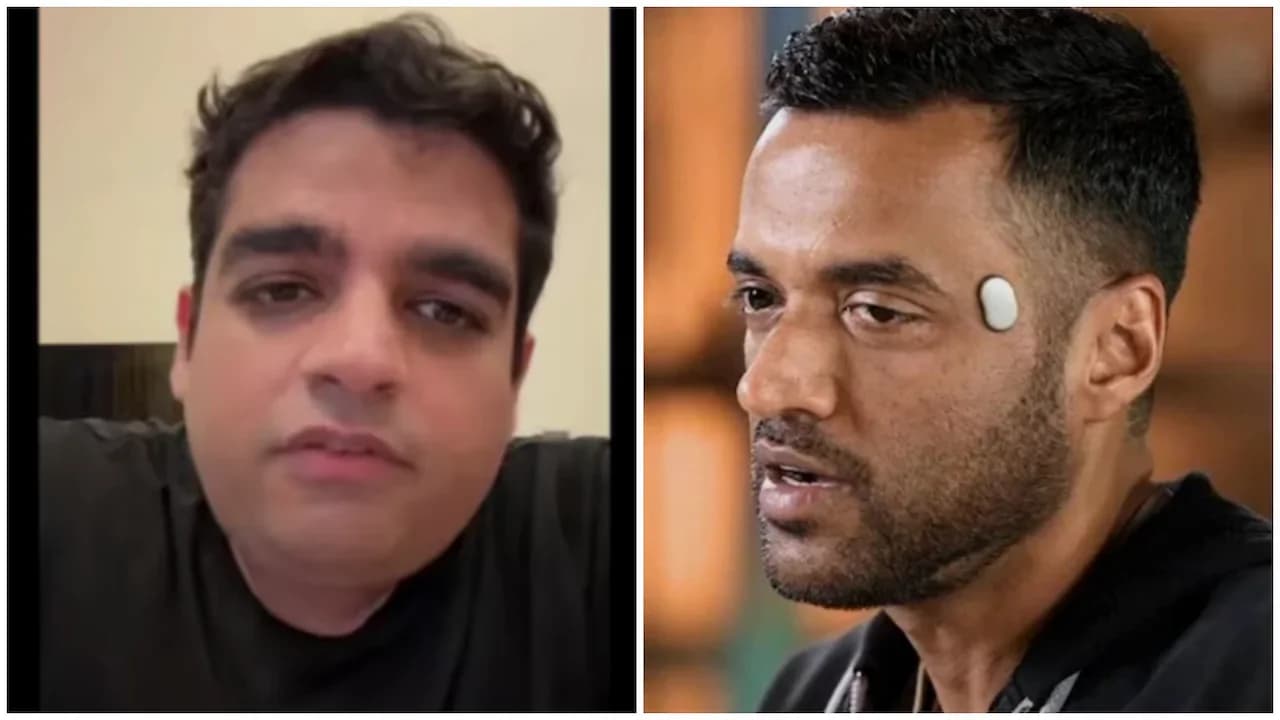
According to Goyal's LinkedIn post cited by Goodreturns, the concept for Temple emerged from his personal efforts toward health optimization including blood tracking, fasting, meditation, hyperbaric chamber routines, and supplements. The device could potentially serve students monitoring focus and fatigue, businesspeople, athletes, elderly individuals, and clinicians seeking additional diagnostic data. Temple's website describes it as a tool for "getting the most out of your training, recovery, work, and sleep." The wearable is also linked to Goyal's 'Gravity Ageing Hypothesis' research, which explores monitoring blood flow and brain health, further positioning it as a next-generation wellness technology. As reported by Times Now, the device had already sparked curiosity when Goyal was spotted wearing a small clip-like gadget near his temple during Raj Shamani's Figuring Out podcast, with people initially unsure about what it was.
According to Times Now, Goyal has shared preliminary comparisons of Temple's heart rate tracking against other devices, with one test conducted during a badminton session showing Temple's readings to closely align with those from Polar devices that are widely regarded as benchmark in heart rate monitoring. However, wrist-based trackers produced comparatively less accurate results in the same scenario. These findings, however, are based on data shared by the company itself and have not undergone independent peer review. It is worth noting that the gravity ageing hypothesis remains a debated concept within the broader medical community, and the company's claims regarding the superiority of head-based physiological sensing have not yet been independently validated. Temple is designed to serve users focused on long-term performance, recovery, and overall well-being, with monitoring capabilities spanning training, sleep, work, and stress patterns.
According to Goodreturns, Goyal described Temple as being "just in a budding stage," sparking discussions about its future use and potential applications. However, other major details such as pricing, specifications, and wider availability timelines have not yet been disclosed. The latest reports suggest that Temple could evolve into something bigger, possibly even a standalone venture down the line. As reported by Times Now, there's another interesting layer where early users might get a chance to be part of a future funding round, hinting at Temple's potential to become a separate entity. The company is inviting a specific group of users to participate in this phase, including athletes, scientists, doctors, founders, and creators, along with individuals who actively prioritise health. Goyal noted that not all applicants will be selected immediately, instead planning to shortlist users who can offer meaningful and structured feedback. Initial reactions online have been mixed, with some users curious about the device and its potential use cases, while others have raised concerns about the scientific validity of measuring brain-related metrics through a wearable. Experts have also pointed out that tracking cerebral blood flow typically requires specialized medical equipment, raising questions about how accurate such a device can be in a consumer format.