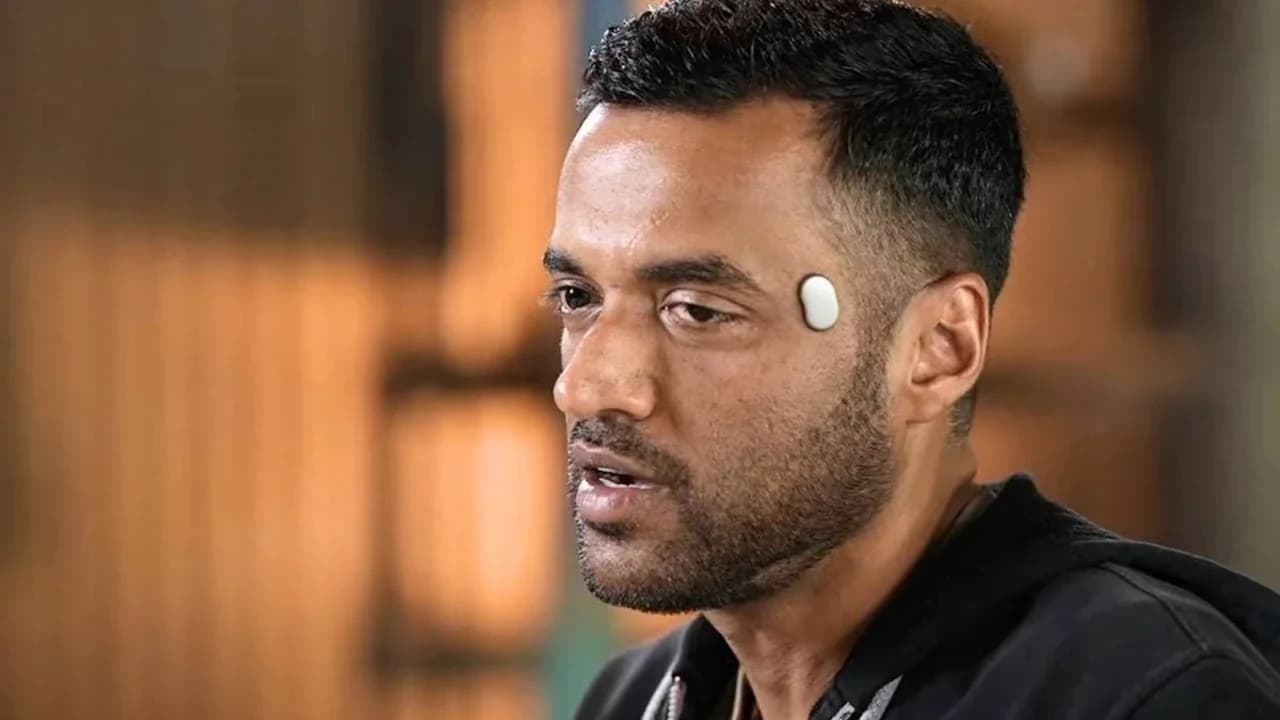
The controversy surrounding Temple, Deepinder Goyal's ₹85,000 wearable device, has intensified with hepatologist Cyriac Abby Philips (The Liver Doc) escalating his criticism to include calls for government regulatory intervention. In a post on X on Monday, Philips accused Goyal of lying about the science behind Temple and urged government regulators to assess the device's claims before it gains wider attention. Philips wrote that Temple was 'always about the brain' even though Goyal now claims it is not, and that no working device-based evidence of its 'Entropy' measure has been shown. He shared a side-by-side graphic of Goyal's posts from January to May and from November, noting that Temple's promotions still mention the brain despite Goyal's recent clarifications. The device, which uses optical sensors and is worn near the temple, opened for pre-orders in India on November 1 at ₹85,000 with deliveries expected to begin in about three months.
Deepinder Goyal has issued a public apology to Indian doctors after facing criticism over his remarks about those questioning the science behind his Temple wearable device. In a post on Friday, Goyal wrote on X: "Apologies where they are due: last night, I should not have bucketed all Indian doctors into one single box." He clarified that his comments were directed at a few doctors whom he described as "more influencers than doctors" who had not read the company's research in detail but had spread what he called "twisted facts" to label Temple a scam. Goyal explained that his emotion was directed at these influencer doctors who get views by piling on the company, stating it's more a reflection of their petty mindset than other doctors, the country, or his team. "In my entire history of building Zomato, Eternal, and now Temple – we have never asked anyone to post anything online, for money or otherwise. I type all my posts myself. Everything you see is pure 'building in public'," he said, adding that he always refuses when founder friends ask him to engage with agencies to manage the narrative.
Among the pros, Munjal called Temple extremely lightweight and said he stopped noticing it on his head. As reported by NDTV Profit, he noted that the device stayed on through sleep and workouts, coming off only once in 30-40 nights. He also praised the food tracking feature, saying it was better than any app available because the device can capture chewing and sent a nudge after every meal. The device's Entropy and Brain Flow metrics were described as amazing, while sleep tracking was called quite good. Munjal specifically noted that 'Whoop was quite irritating' during sleep, while he did not feel Temple at all, highlighting the device's comfort advantage. Temple's two principal proprietary measurements are BrainFlow and Entropy. BrainFlow is intended to track relative changes in blood circulation associated with the brain, with Goyal describing the device as capable of monitoring such changes continuously rather than relying on occasional clinical measurements. Entropy, which Goyal has now identified as the product's principal focus, is a proprietary score intended to indicate how hard the body is working to sustain itself, ranging from 1 to 250 with lower readings associated with deeper rest and higher readings with greater physiological exertion.
Addressing "Concerned Indian Doctors," Goyal has defended the device's legitimacy by revealing the company's substantial financial commitment. He said the company has spent $30 million on Temple, including $20 million of his own money, and offers 14-day, no-questions-asked returns. Business Today reported that Temple opened for pre-orders on November 1 at ₹85,000. Goyal also revealed that employees had participated in an earlier funding round, while the ongoing round was largely backed by customers. He argued that customers would be able to assess the product themselves and return it if it didn't work as claimed, stating that a scam that pays nothing would not be sustainable. On pricing, Goyal said if the ₹85,000 price tag has upset people, he was sorry, stating "There's a lot of work that went into Temple, and we priced it at what we think it's worth. If you think it's overpriced, you can wait for user reviews to decide if it's worth your money." He went on to ask people to support his venture just because it is an Indian startup, stating "We want to compete globally. We don't need/want nationalist support. Support us if you want to support early innovation, which could help you live a better life."
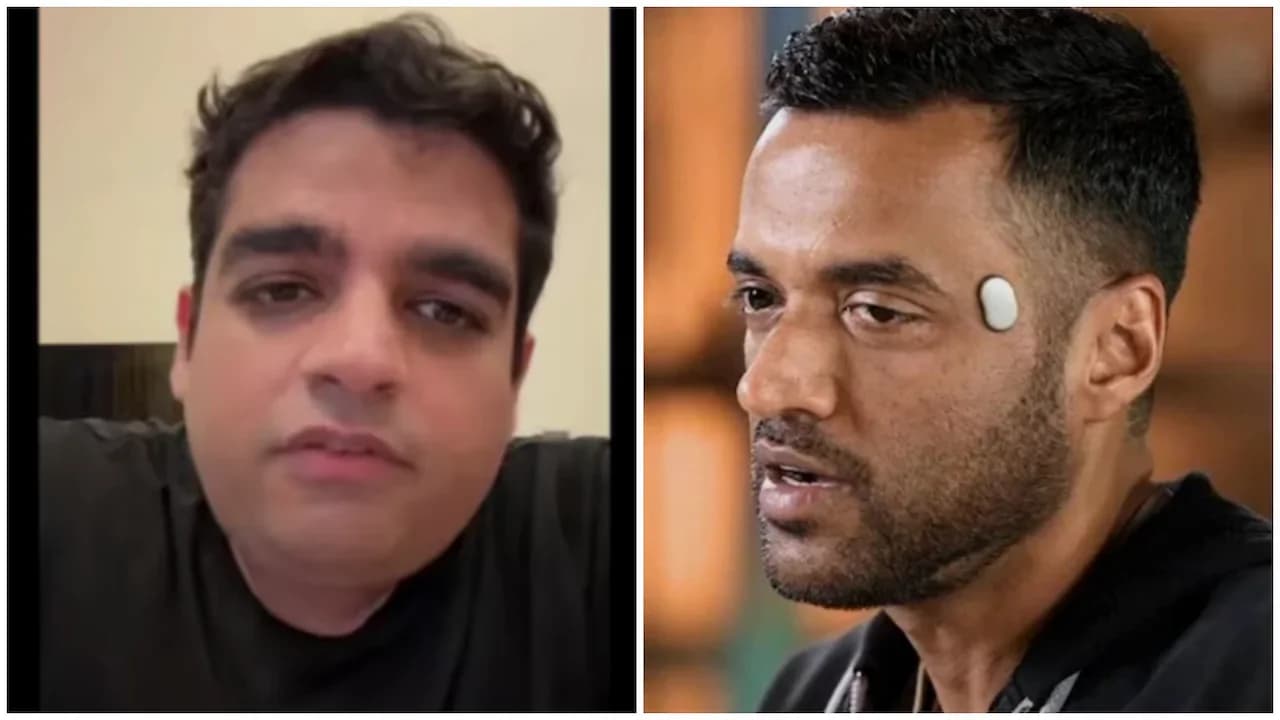
The dispute centers on whether Temple's sensors outside the skull can actually measure brain circulation. Philips argues that the device can only capture heart rate and blood flow to the scalp from the temporal artery, not brain circulation. According to doctors, the brain is supplied mainly through the internal carotid and vertebral arteries, while scalp circulation can shift with exercise or temperature without reflecting flow inside the brain. Goyal maintains that the company stands by its science and methods, stating that most wearable companies begin with internal studies and that preprints are a step prior to peer-reviewed publications. However, Philips and other clinical scientists have gone through the science published on Temple's website and found no working device-based evidence proving the device measures what it claims. Goyal has responded by clarifying that Temple is 'strictly a fitness + AI device' and that the company has made no medical claims, with BrainFlow being secondary to Entropy. He has offered to loan devices to qualified researchers to test any Temple metric independently and said regulatory clearances will precede any claim needing them.