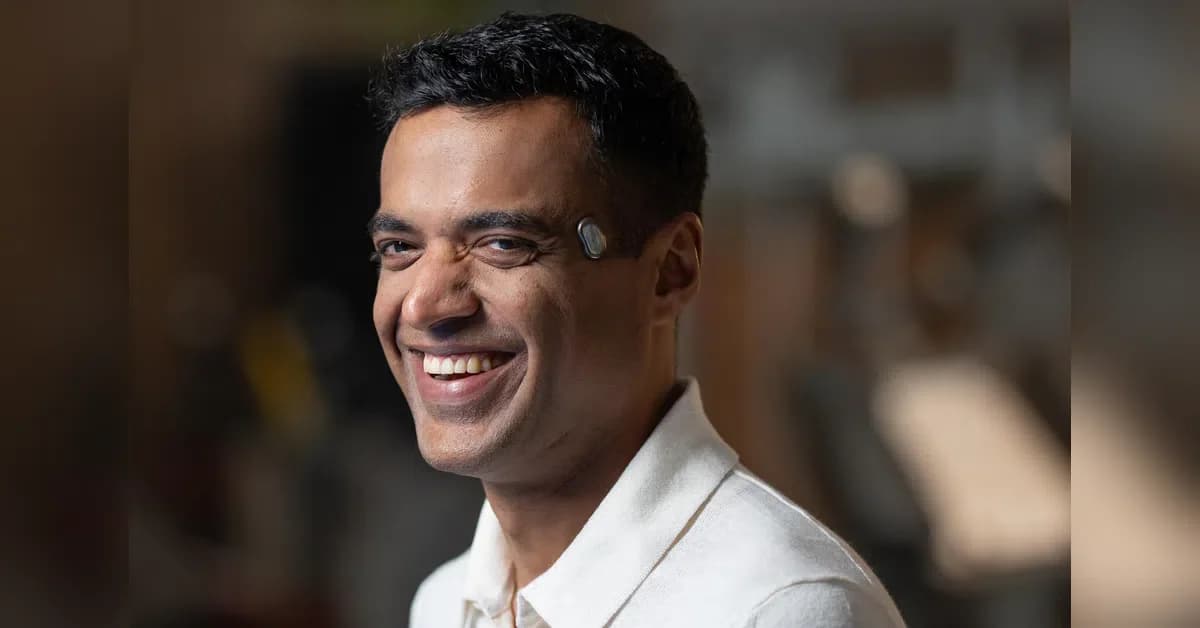
Deepinder Goyal has clarified that Temple is not made for India but designed for global markets, with the company expecting no more than 1% of sales from India. In a detailed post on X, Goyal addressed criticism over the device's pricing and positioning, stating that customers should evaluate the product based on its merits rather than supporting it out of patriotism. He emphasized that Temple is a global fitness and AI device, not a medical product, and urged users to check the pricing and underlying factors before making judgments about the product. Goyal defended the pricing by explaining the extensive work that went into developing the product, stating that if customers feel the pricing is too high, they can wait for user reviews to determine if the device is worth the investment.
The ₹85,000 pre-orders for Temple have generated significant controversy, with Goyal acknowledging that pricing may be too high for some customers. According to his latest statements, the device cost $30 million to build, including $20 million of his own money, with peer-reviewed publications coming. Goyal defended the pricing by explaining the extensive work that went into developing the product and suggested that users wait for user reviews to determine if the device is worth the investment. The device is currently being used by a select group of early users, including investors and people associated with Goyal. Pre-orders opened on November 1, 2026, with shipping expected to begin in early 2027 and deliveries within three months of placing orders.
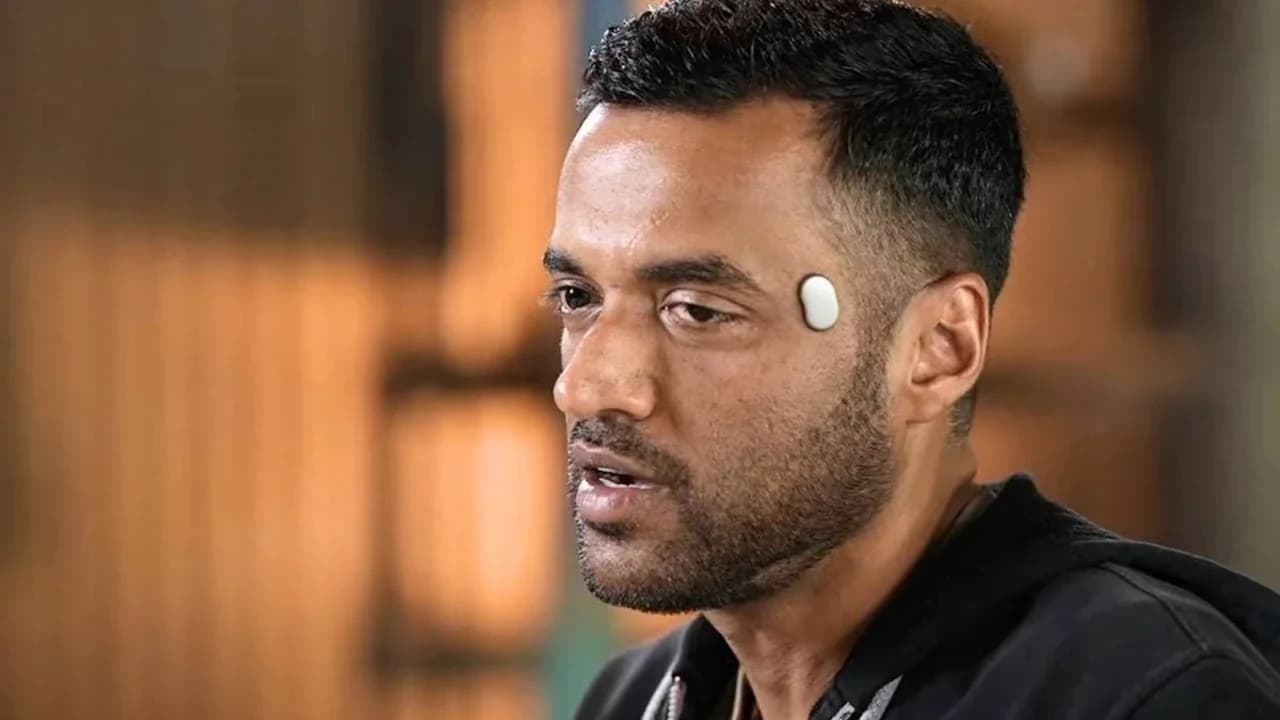
Goyal announced on January 21 that he was stepping down as group CEO and managing director of Eternal (parent company of Zomato), effective February 1. Blinkit CEO Albinder Dhindsa took over the role. In his letter to shareholders, Goyal stated he wanted to pursue high-risk, exploratory ideas that did not fit within a public company. Reports indicate he was raising $50 million for Temple from early Zomato backers, with the company now having raised $54 million including investments from InfoEdge Ventures, Peak XV, Vijay Shekhar Sharma and Varun Alagh.
Goyal has clarified that Temple makes no medical claims and is strictly a fitness and AI device that does not diagnose or prevent any disease. He addressed criticism from doctors who questioned the science behind Temple's claims, stating that doctors primarily view things from a medical lens and see every claim as a medical claim. The device tracks cerebral blood flow, which Goyal calls 'Brain Flow', along with detecting patterns such as auto chewing detection, snoring patterns and sleep patterns. Goyal has promised to post a detailed explanation of how Brain Flow is calculated and its limitations, stating that social media should not be the regulator for Temple.
Legal experts argue that describing Temple as a fitness or wellness device is not conclusive of its regulatory classification. As reported by Mint, Ketan Mukhija from Kochhar & Co. noted that "measuring a physiological parameter does not automatically make a product a medical device, the determination would depend on its intended purpose, the nature of the measurements and the manufacturer's representations." Goyal has emphasized that wherever regulatory clearances are needed, the company will obtain them before making claims requiring them. This controversy follows Goyal's previous criticism in November 2025 for proposing the Gravity Ageing Hypothesis, which doctors refuted as lacking scientific evidence.