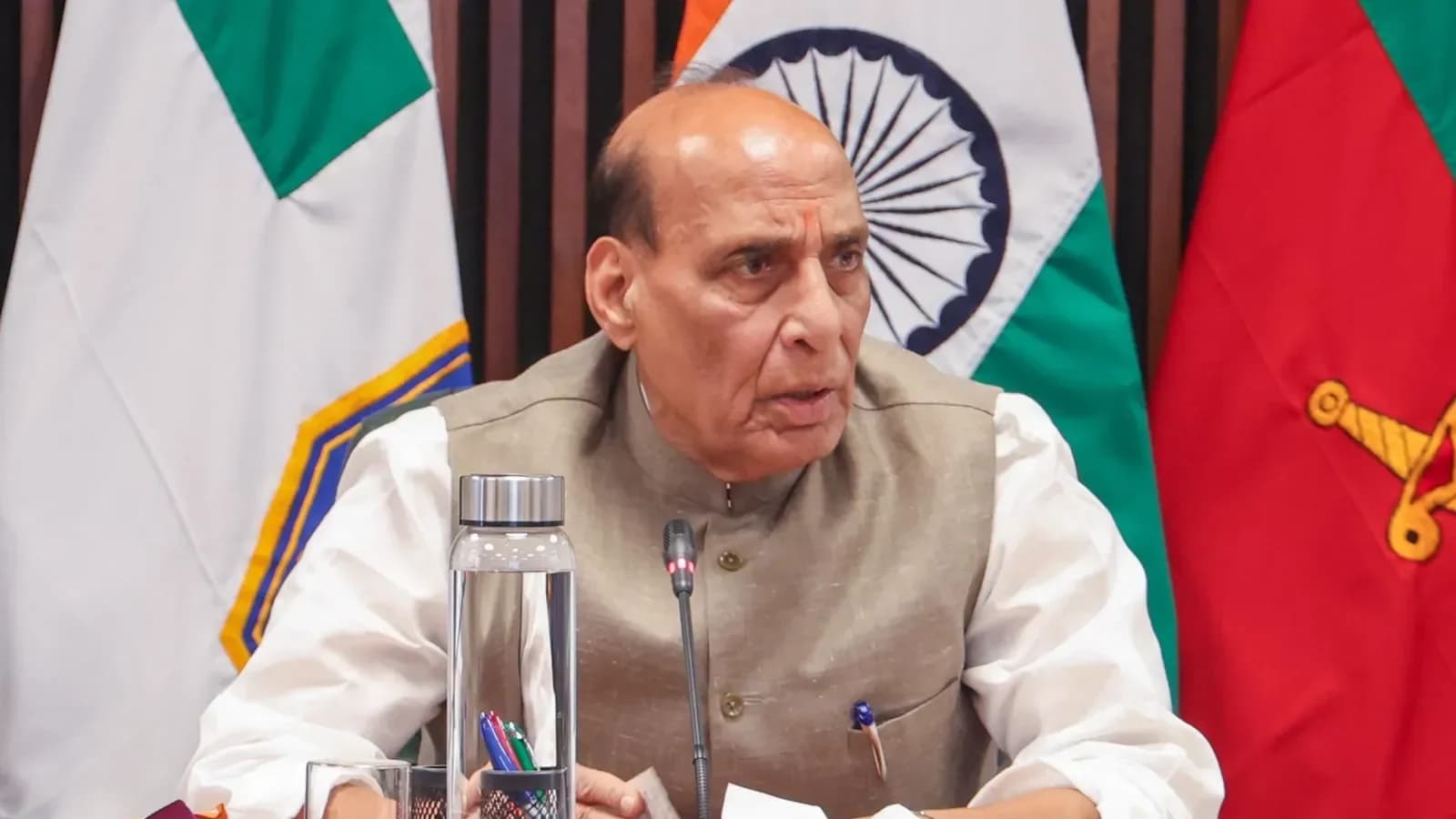
Defence Secretary Rajesh Kumar Singh outlined India's strategic approach to achieving long-term military strength through technological sovereignty. According to reports from Moneycontrol, Singh emphasized that India's military capabilities depend on indigenous design, development, and manufacturing of defence systems. The government is creating a comprehensive framework to support this vision, focusing on establishing a level playing field for private companies and startups while ensuring long-term order visibility for domestic manufacturers.
The government has implemented significant policy measures to boost domestic defence manufacturing. As reported by Moneycontrol, 75% of the defence capital procurement budget has been reserved for domestic purchases, with priority given to indigenous design, development, and manufacturing (IDDM). This substantial allocation reflects the government's commitment to reducing import dependence and building domestic defence capabilities. The policy framework also includes improving ease of doing business for private companies and startups in the defence sector.
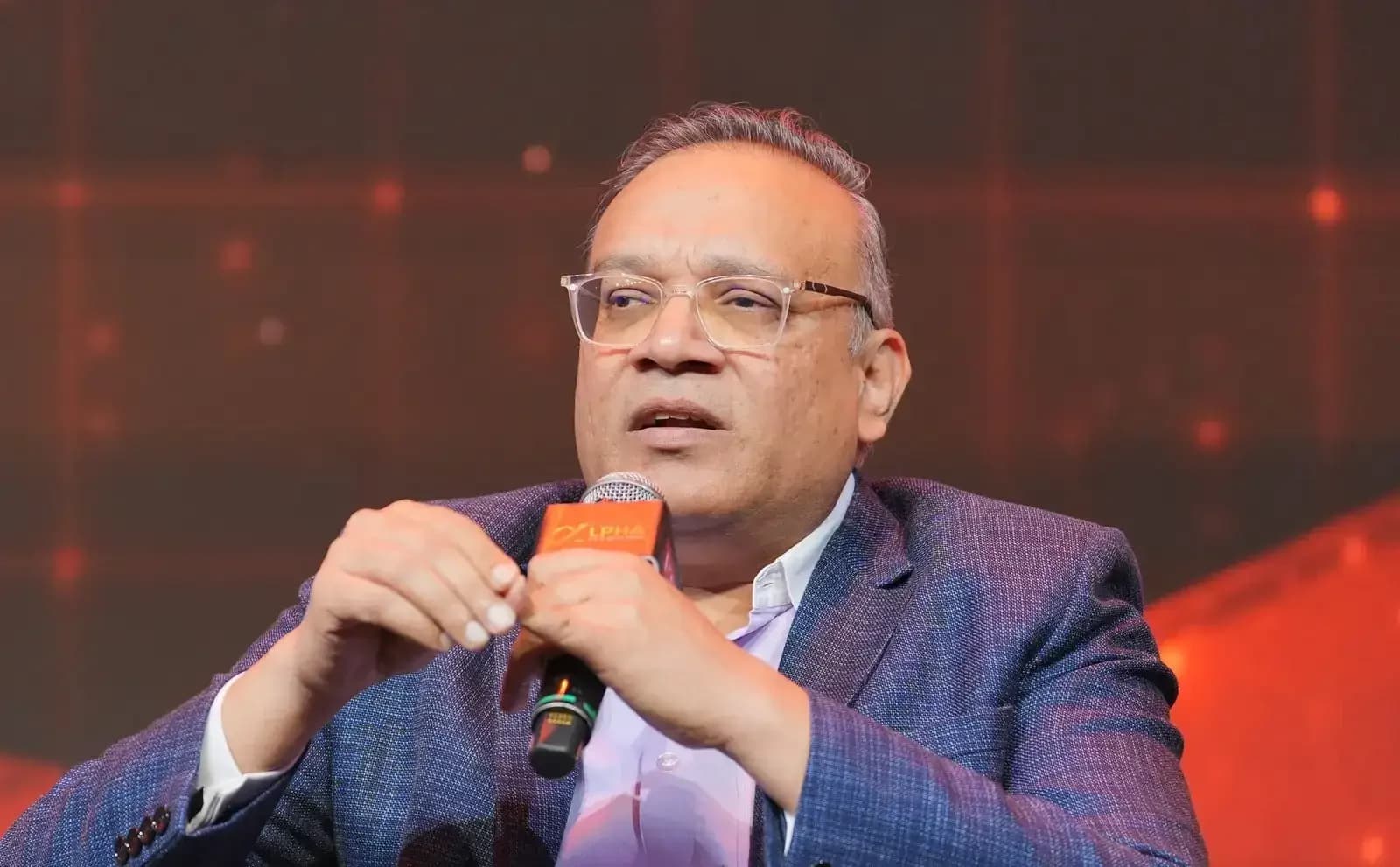
In an exclusive interview with Moneycontrol's Managing Editor Nalin Mehta, Defence Secretary Rajesh Kumar Singh indicated that consolidation of newer state-run defence entities set up after the reorganisation of the Ordinance Factory Board (OFB) could be explored. This consolidation approach aims to optimize resources and streamline operations across the defence PSU ecosystem. Singh also noted that the order books of some defence PSUs, particularly Munitions India, are already full, indicating that additional capital expenditure may be needed to expand production capacity.
The defence sector has witnessed significant growth in industrial participation and government support. According to Moneycontrol reports, defence industrial licences have increased from about 250 before 2015 to over 800 today, indicating rising investor interest in the sector. DRDO now earmarks 25% of its R&D budget for industry, startups, and academia, supporting innovation through technology transfers and startup schemes. This substantial allocation demonstrates the government's commitment to fostering collaboration between research institutions and private sector entities.
Singh identified several sectors as priority areas for growth and innovation. As reported by Moneycontrol, he highlighted drones, autonomous systems, missiles, shipbuilding, and land systems as key growth areas for the defence sector. The defence secretary expects private sector participation to expand toward a 50:50 public-private production split, indicating the government's confidence in private industry capabilities. He also emphasized the importance of faster procurement for emerging technologies to maintain India's competitive edge in defence manufacturing.

India's defence export capabilities are expected to continue expanding through strategic partnerships and indigenous systems. According to Moneycontrol reports, defence exports—driven by systems like BrahMos and Akash—are expected to continue growing as India strengthens its defence industrial ecosystem. The government's focus on indigenous design, development, and manufacturing is expected to support sustained export growth, with the BrahMos and Akash systems serving as key drivers of this expansion in international markets.