Geopolitical shifts and the drive for self-reliance are creating long-term investment opportunities in India's defence and electrification sectors, according to Prateek Agrawal, MD & CEO of Motilal Oswal AMC. As reported by ETMarkets, Agrawal emphasizes focusing on businesses with durable earnings growth amidst evolving global dynamics, highlighting the potential for alpha generation in niche, high-growth spaces. He argues that rising global defence spending, increasing indigenisation, and the push towards domestic energy security will drive sustained growth across these themes for years to come. The analysis notes that defence spending is expected to rise from about 2% of GDP to 2.5% by Financial Year 2031, with the sector transitioning from an assembly-driven model to one centred on intellectual property creation and domestic technological ownership.
According to the interaction with ETMarkets, index earnings growth is likely to remain in the sub-10% range over the two-year period, while the market experiences significant disruption with many new sectors emerging where growth is of a completely different order. Agrawal notes that higher growth in niche spaces, coupled with better earnings growth in the broader market versus the narrower market, makes this an ideal time for alpha generation. The Motilal Oswal AMC portfolio constructs maintain very high active ratios with their Large & Midcap Fund at 92% active ratio and Active Momentum strategy at nearly 200% active ratio.
As reported by Raksha Anirveda, defence spending as a percentage of GDP is likely to rise globally, not just for one year but over several years. The analysis cites the Russia-Ukraine conflict and potential Iran-US tensions as key drivers, with reduced security umbrella from NATO for Europe pushing European defence spending higher. The stronger emphasis on indigenisation makes defence a multi-year structural theme, with India expected to see higher allocations in future budgets alongside increased technological capabilities requirements. Domestic defence production has officially scaled past US$18 billion (approximately ₹1.5 lakh crore), with private-sector firms outstripping public entities in international markets, contributing ₹15,233 crore to total FY25 exports. Goldman Sachs forecasts that private Indian defence firms will experience 32% annual earnings per share growth through FY28. According to ICICI Securities, with the peace deal expected to bring the war in West Asia to an end, near-term beneficiaries would be exporters as countries enhance their defence budgets and scramble to boost their arms inventory. Crisil Ratings expects private-sector revenues to grow 15-16% this financial year (FY27), supported by a healthy order book of ₹50,000 crore.
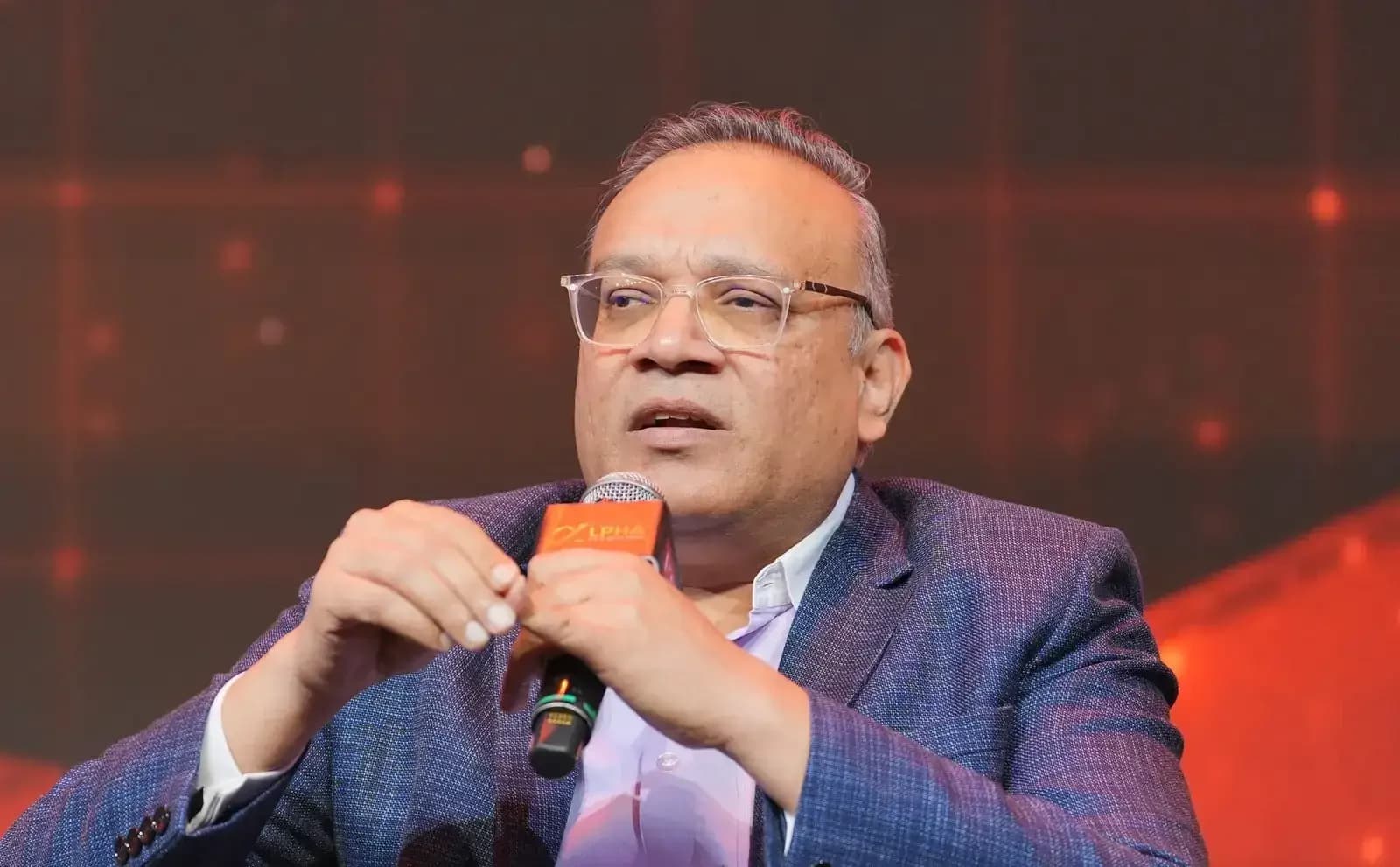
According to the ETMarkets interaction, India's need to become more self-reliant in domestic energy sources is driving the electrification trend. The analysis notes that Indian Railways is almost fully electrified and this trend will continue across transportation, with more incentives, policy pushes and regulatory nudges likely to accelerate the shift towards electric vehicles. The report emphasizes that electrification offers a viable alternative to dependence on imported petrol and diesel, with the transition becoming essential for better preparedness against future disruptions. India's current operational nuclear capacity sits at approximately 8,180 megawatts (MW) with an immediate pipeline involving 10 indigenous reactors across states such as Gujarat, Rajasthan, and Tamil Nadu to scale capacity to 22,480 MW by 2031–32. Renewable energy sources provided nearly 26% of U.S. electrical generation in 2025, with the International Energy Agency projecting that solar, wind, and battery energy storage will add over 60% more generating capacity in 2026.
As reported by ETMarkets, Foreign Portfolio Investors (FPIs) are buying growth sectors while simultaneously selling mature sectors, resulting in net negative flows. The analysis explains that FPI ownership in large caps is around 19% while domestic ownership has increased to about 22%, while mid-cap FPI ownership is roughly 11–12% and small-cap ownership is around 9%. This creates a situation where FPI selling is primarily a large-cap issue, with the mid- and small-cap segment holding up better during periods of limited fundraising activity.