Defence Minister Rajnath Singh has approved the transfer of DRDO-developed technologies of all conventional missile systems to Indian industry for production within the country. As reported by The Hindu BusinessLine, Defence Minister Rajnath Singh made the announcement, describing this as an important milestone in promoting greater participation of domestic industries in the defence ecosystem. This initiative represents a significant step in strengthening India's defence manufacturing capabilities and reducing dependence on foreign technology imports. The move excludes nuclear-armed strategic missiles such as the Agni series, focusing on conventional weapons systems. The Transfer of Technology (ToT) will enable Indian companies to undertake indigenous production of conventional missile systems, subject to applicable qualifications, certifications and regulatory requirements. According to the Ministry of Defence, the provision will enable successful transition of missile system development to industrial production, reflecting the continued efforts of DRDO to leverage the capabilities of the Indian industry for the development and manufacture of advanced defence systems. The transfer will allow eligible domestic industries to manufacture DRDO-developed missile technologies within the country, further strengthening India's indigenous defence production capabilities.
The technology transfer initiative comes at a time when missile capabilities are increasingly being integrated with broader surveillance, communications and precision-strike networks in India's neighbourhood. A July analysis by the Centre for Aerospace Power and Strategic Studies (CAPSS) highlighted the rapid expansion of Pakistan's space capabilities, particularly through its cooperation with China. The analysis revealed that Pakistan's Space & Upper Atmosphere Research Commission (SUPARCO) had launched six satellites in 16 months after decades of relatively slow progress, seeking to strengthen its autonomous space-based surveillance capabilities and integrate satellite intelligence with terrestrial communication systems. The CAPSS analysis noted that China's role in supporting Pakistan's satellite launches, technology development and astronaut training could have implications for India's defence strategy, particularly as satellite-based intelligence, navigation and communications become increasingly important to modern military operations. Against this backdrop, expanding India's domestic capacity to manufacture missile systems could strengthen the country's ability to sustain and scale up critical weapons production without relying as heavily on overseas suppliers.
The government has introduced a competitive bidding system among Indian private firms for the right to receive technology transfer and undertake systems integration of missiles in partnership with DRDO. According to The Hindu BusinessLine, there will be competitive bidding among Indian private firms for the right to receive the transfer of technology, to be selected as the development-cum-production partner. The Astra beyond-visual-range air-to-air missile and various types of conventionally armed surface-to-surface ballistic missiles, including the Pralay surface-to-surface quasi-ballistic missile, are identified as the most likely candidates for this technology transfer process. The initiative marks a significant step towards achieving the vision of Aatmanirbharta in defence and promoting greater involvement of Indian industries in defence manufacturing. The decision comes as the government seeks to reduce India's dependence on defence imports, including from Russia, while building a stronger domestic defence manufacturing base. PL Capital's Amit Anwani notes that this shift from research-and-development stage to industry-scale manufacturing creates a very strong vendor base on the manufacturing side once the technology or developmental stage is clear, leading to production and export growth.
The technology transfer initiative has created significant investment opportunities in India's defence sector, with PL Capital's Amit Anwani identifying key beneficiaries including Bharat Electronics, BDL, Solar Industries, L&T, Astra Microwave and Apollo Micro Systems. Anwani particularly favours Bharat Electronics as his top stock pick, stating that BEL at 35x 2-year forward seems attractive given the pending QRSAM order. He notes that the Quick Reaction Surface-to-Air Missile (QRSAM) system is expected to go to BEL and BDL once the tender is issued, while also highlighting upcoming programmes including the Akash Next Generation Missile System, Agni-4 and Pralay. On the private side, Solar Industries has worked on Pinaka missiles, and L&T has contributed to both Pinaka and Akash systems. Component makers Astra Microwave and Apollo Micro Systems are positioned to benefit from increased order volumes, working on fire control and propulsion systems for missiles. The broader defence electronics segment, where these companies trade between 40x and 50x earnings, is expected to maintain elevated valuations given the substantial order opportunities anticipated over the next five to seven years.
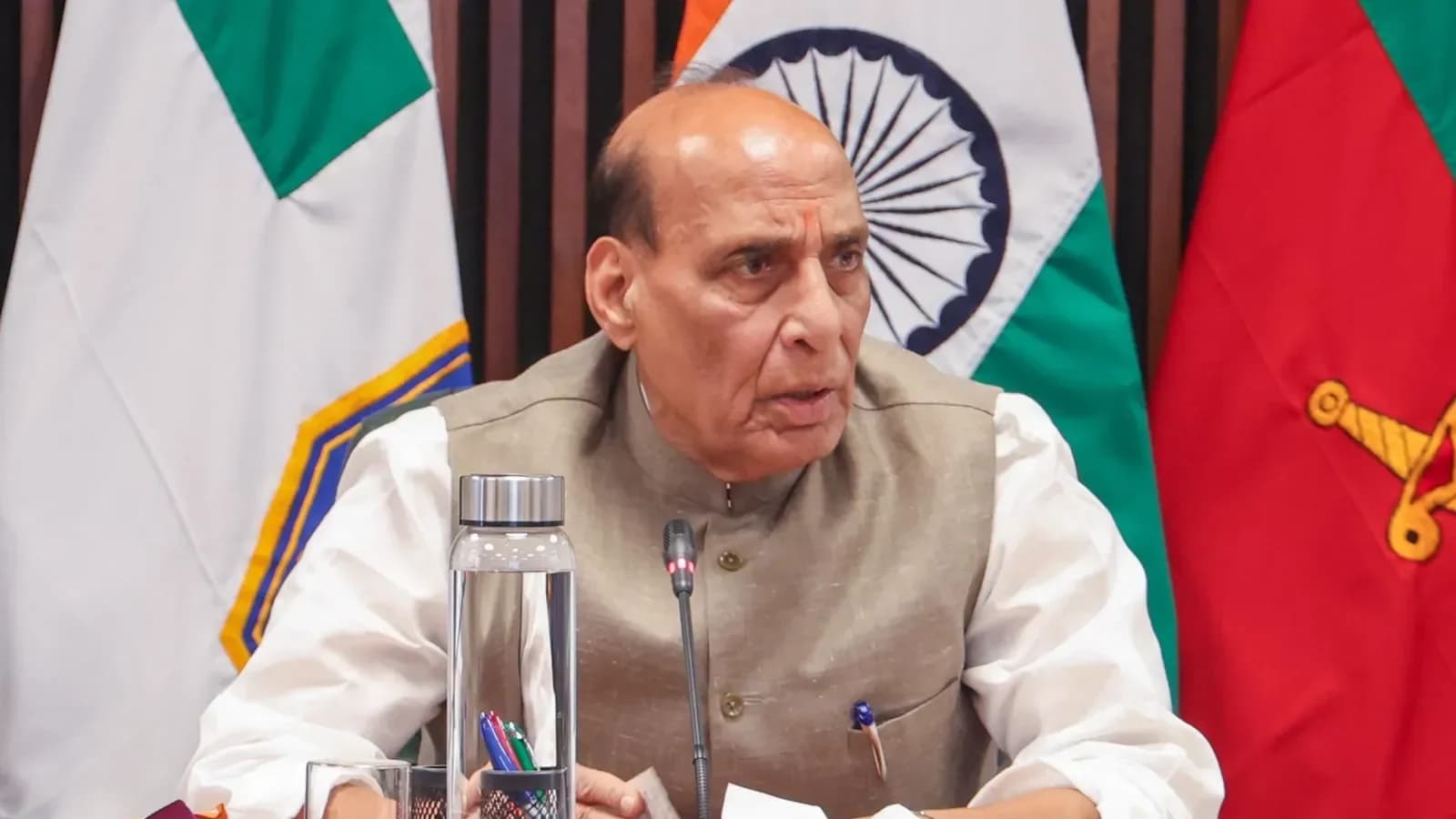
The technology transfer initiative is aimed at enhancing production capacity and ensuring affordable mass production in conventional missiles, drawing lessons from the West Asia war and the Russia-Ukraine conflict. As reported by The Hindu BusinessLine, the move also addresses Pakistan's decision to set up an Army Rocket Force Command. The government stated that the technology transfer will be subject to applicable qualifications, certifications and regulatory requirements, with DRDO working with Indian industry to facilitate the transfer and absorption of the technologies. The objective is to enhance domestic manufacturing capabilities, strengthen the defence industrial base and create opportunities for the participation of Indian MSMEs and other technology partners in the supply chain. By opening DRDO-developed technologies to domestic industry, the government aims to strengthen manufacturing capabilities, increase domestic value addition and deepen private-sector participation in defence production. The broader objective is to strengthen India's defence industrial base, enhance operational capabilities and support the country's Aatmanirbhar Bharat push in defence. India's defence exports stand at ₹38,000 crore (₹380 billion) and domestic production at ₹1,80,000 crore (₹1.8 trillion), with the government targeting higher exports as part of Prime Minister Narendra Modi's Independence Day speech calling for expansion into global markets.
India's defence manufacturing sector has demonstrated remarkable growth, with defence production rising 15.6 per cent in FY 2024-25 and 110 per cent from ₹84,643 crore in FY 2020-21. According to The Hindu BusinessLine, indigenous defence production has increased nearly fourfold from FY 2013-14. India recorded its highest-ever defence production of ₹1.54 lakh crore in 2024-25, while defence exports reached a record ₹23,622 crore, as reported by HT. The government has set its sights on further increasing domestic defence production, with a target of ₹1.75 lakh crore in the current fiscal year and ₹3 lakh crore by 2029. Defence exports reached a record ₹38,424 crore in FY 2025-26, with India now exporting defence products to more than 80 countries. The approval is part of a broader push to deepen private-sector participation in India's defence ecosystem, with the government targeting defence exports of ₹50,000 crore by 2029.