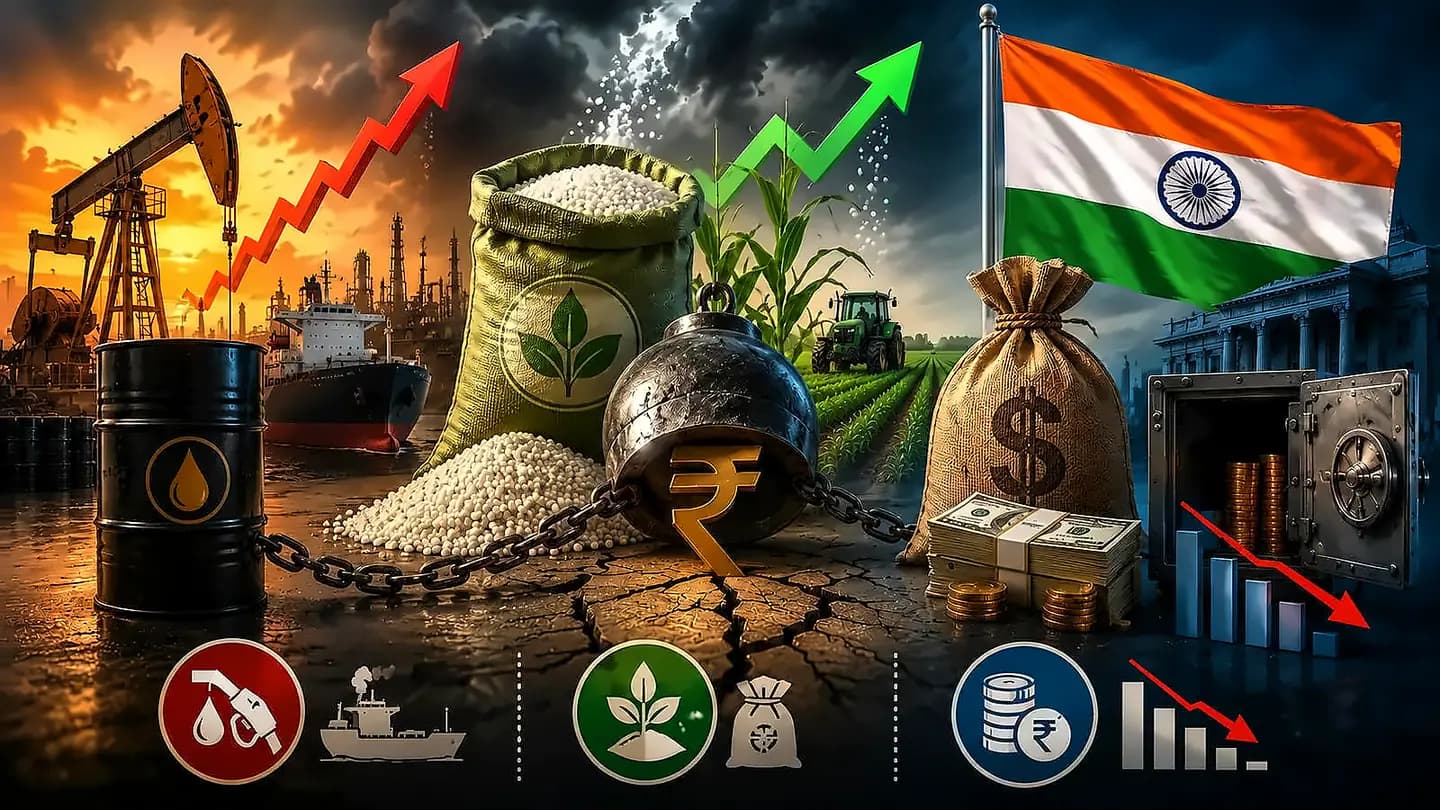
Global uncertainties are beginning to affect household finances more directly than before, with fuel prices remaining sensitive to international tensions, gold prices trading at elevated levels, and grocery bills continuing to rise due to inflation and international tensions. According to reports from ABP Live, many middle-class families are becoming more cautious about spending as the focus shifts from cutting expenses completely to making smaller and smarter financial adjustments that improve stability over time. The latest data shows that petrol and diesel prices are increasing, LPG cylinder costs are rising, and grocery and vegetable inflation is affecting daily expenses across the country.
Fuel prices influence much more than transportation expenses, affecting delivery charges, travel fares, and the prices of daily essentials. During periods of global uncertainty, even small increases in fuel costs can put pressure on household budgets. As reported by ABP Live, families are becoming more mindful of fuel usage by combining errands, reducing unnecessary driving, or occasionally working remotely to help lower fuel consumption and improve monthly cash flow. The latest analysis shows that construction expenses are also increasing due to higher transportation and material costs, adding another layer of pressure on middle-class families.

While gold is often viewed as a safe investment during uncertain times, rising prices can lead to impulsive buying decisions that may affect liquidity and other financial goals. According to ABP Live, instead of reacting to short-term price movements, reviewing your overall investment allocation first may help maintain better financial balance and flexibility. The report emphasizes that allocating too much savings towards gold may compromise other important financial objectives, with the latest data showing gold rates continuing to rise amid global uncertainties. The analysis suggests that maintaining a balanced investment portfolio is crucial during inflationary periods.
International travel is becoming significantly more expensive with airfares, hotel prices, currency depreciation, and overseas spending costs continuing to increase. As reported by ABP Live, even moderate exchange rate fluctuations can affect overall travel budgets. The latest data indicates that flight ticket prices are also rising due to higher fuel costs and operational expenses, making international travel increasingly expensive for middle-class families. The report suggests that careful planning through early bookings, realistic budgets, and prioritising value over luxury can help control costs better, with many travellers choosing shorter trips or limiting discretionary spending abroad to avoid unnecessary financial strain.
The key to improving financial stability during uncertain times is focusing on making small, consistent financial adjustments rather than drastic cuts. According to ABP Live, this includes tracking discretionary spending, delaying non-essential purchases, and reviewing monthly budgets regularly to improve financial discipline without affecting quality of life significantly. The latest financial education emphasizes the importance of maintaining emergency funds during inflationary periods and implementing smart money-saving tips during economic crisis. The report emphasizes that financial resilience comes from balancing present lifestyle needs with long-term financial security through simple habits such as maintaining emergency savings, avoiding unnecessary debt, and planning major expenses carefully.