The current energy crisis is drawing stark parallels to India's 1990-91 economic challenges, as oil prices have surged over 50% following the three-month-old massive assault on Iran by America and Israel, with the consequent closure of the Strait of Hormuz. According to Business Standard, this situation is eerily reminiscent of the US-Iraq-Kuwait war that delivered a serious terms of trade shock to India in 1990-91. The crisis has created a vicious cycle where higher crude oil prices and fertilizer costs lead to further rupee depreciation, higher inflation, and lower growth. Union Minister Hardeep Singh Puri has provided reassurance about India's fuel supply situation, stating there is no shortage of energy with crude oil, LPG and gas stocks maintained for over 60 days. However, the government's approach to managing fuel pricing amid current supply challenges remains under scrutiny.
Union Minister Hardeep Singh Puri has provided reassurance about India's fuel supply situation, stating there is no shortage of energy in the country with crude oil, LPG and gas stocks maintained for over 60 days. According to Business Standard, Puri highlighted that fuel prices in India fell 3.1% from May 2022 to May 2026 while global rates surged by 70-80% in many countries. The minister attributed this relief to excise duty cuts of ₹10 per litre implemented recently, which added an additional burden of ₹1 lakh crore on the Budget. Puri emphasized that Prime Minister Narendra Modi reduced prices by 3.1% even as global fuel costs rose significantly, with petrol prices increasing by ₹7.60 per litre when prices were raised. However, experts warn that the government has been slow to pass on the rising oil, gas and fertiliser prices to users, preferring a mix of tax reductions, mounting losses of oil- and gas-marketing companies, increasing fertiliser subsidies and various forms of informal rationing.
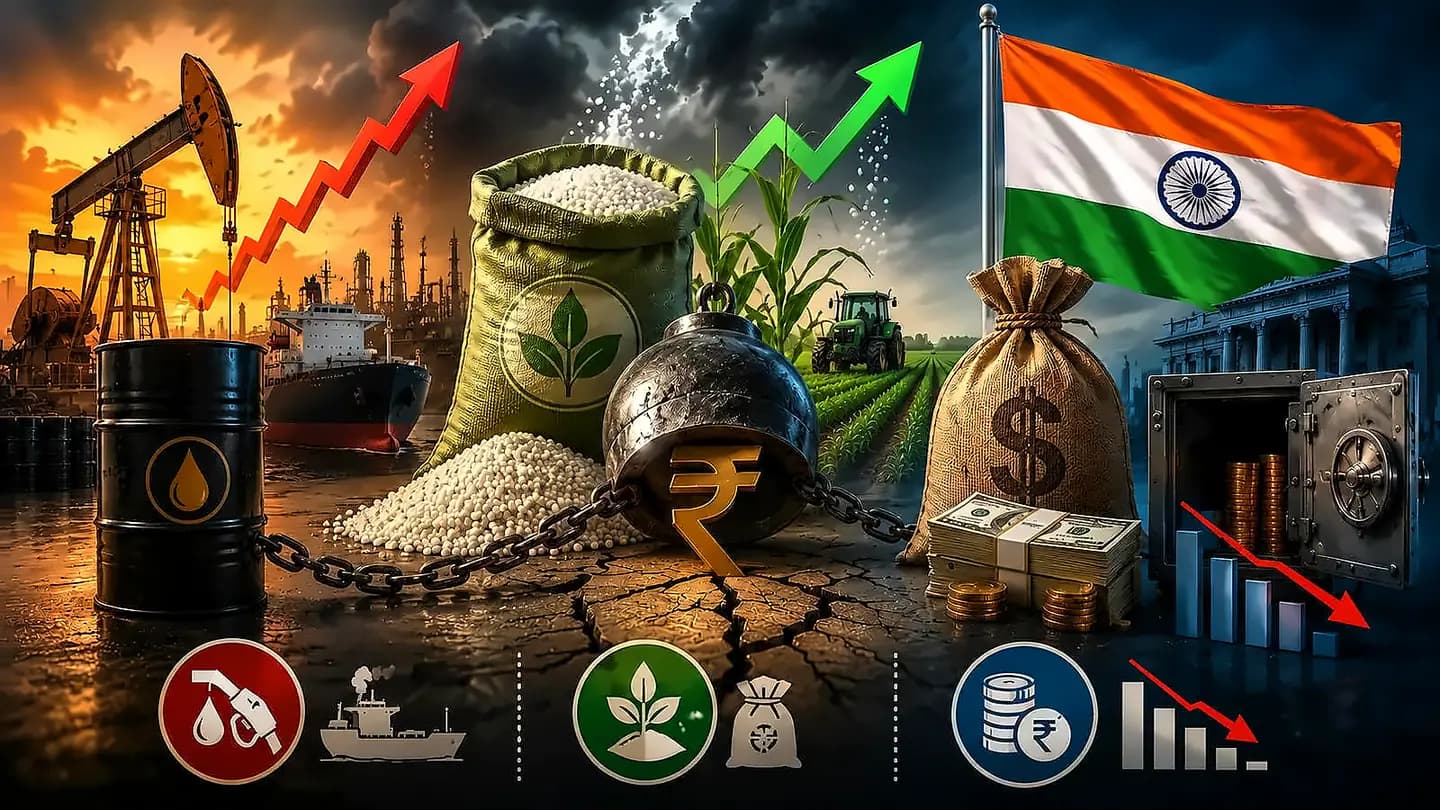
The rupee emerged as one of the clearest indicators of the economic strain, with the currency touching a record low of 96.90 per dollar in early trade after closing at 96.70 in the previous session. As reported by Business Standard, since the conflict began in late February, the currency had weakened by more than 6%. The pressure peaked in May as crude prices climbed, with Indian importers requiring more dollars to pay for oil purchases, increasing pressure on the domestic currency. Lower oil prices and expectations of smoother energy supplies following the agreement helped improve sentiment and support a partial recovery in the rupee. India's balance of payments has come under severe pressure for the first time in its history, with significant decline in net foreign direct investment from annual levels of $30-40 billion to an average of just $6 billion in the last three years. However, experts note that the rupee was the worst-performing currency in Asia last year, depreciating by more than 6% against the dollar, suggesting deeper structural issues beyond the current West Asia conflict.
West Asia is one of India's most important export destinations, especially for manufactured goods, with India's exports recording their sharpest decline in five months in March, falling 7.44% to $38.92 billion. According to Business Standard, exports to West Asia dropped nearly 58% to $3.5 billion during the month. The conflict disrupted shipping routes, business operations and air connectivity across the Gulf, affecting both exports and imports. The region also matters significantly for remittance inflows, as India receives a large share of overseas remittances from Gulf economies, where around 9 million Indians work. With Gulf growth projected to slow and recruitment becoming uncertain during the conflict period, concerns emerged over future remittance flows and employment opportunities.
The West Asia crisis has significantly impacted India's inflation metrics, with retail inflation rising to 3.93% in May 2026 from 3.48% in April, driven largely by higher food and fuel prices. As reported by Business Standard, India's wholesale price inflation (WPI) accelerated to 9.68% in May from 8.3% in April, with the increase driven by higher prices of fuel, food items and selected manufactured products. The fuel category inflation climbed sharply to 30.33% from 24.71% in the previous month by the third month of the crisis. The aviation sector faced additional pressure as aviation turbine fuel (ATF) rose to as much as 50-60% during the disruption, with state-owned fuel retailers increasing ATF prices by around 10% while introducing a price stabilisation regime for airlines. The entire 2026-27 fiscal year faces challenges from the current three-sector crisis affecting crude oil, fertilizer, and energy sectors.