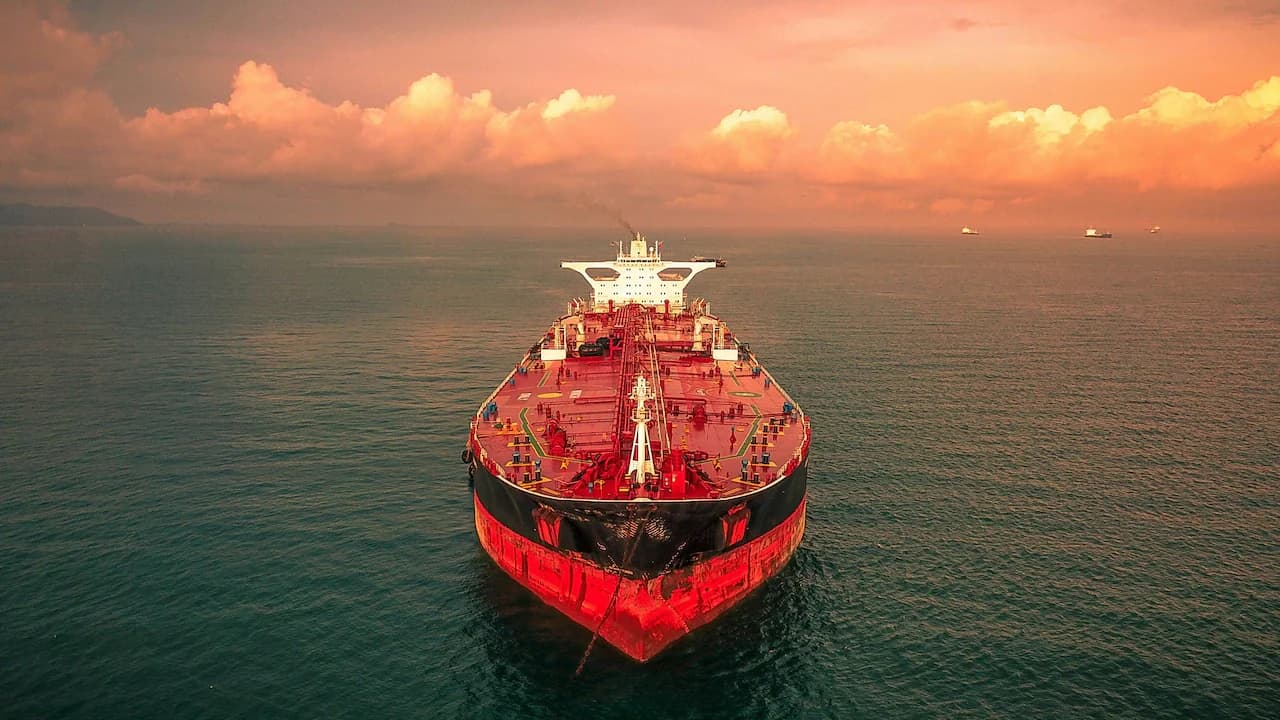
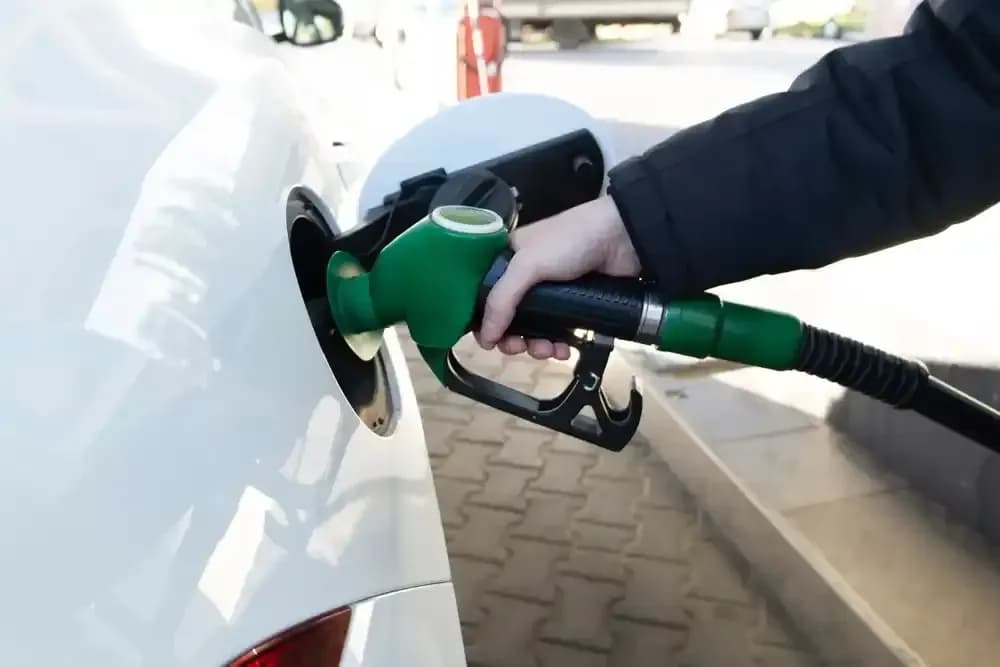
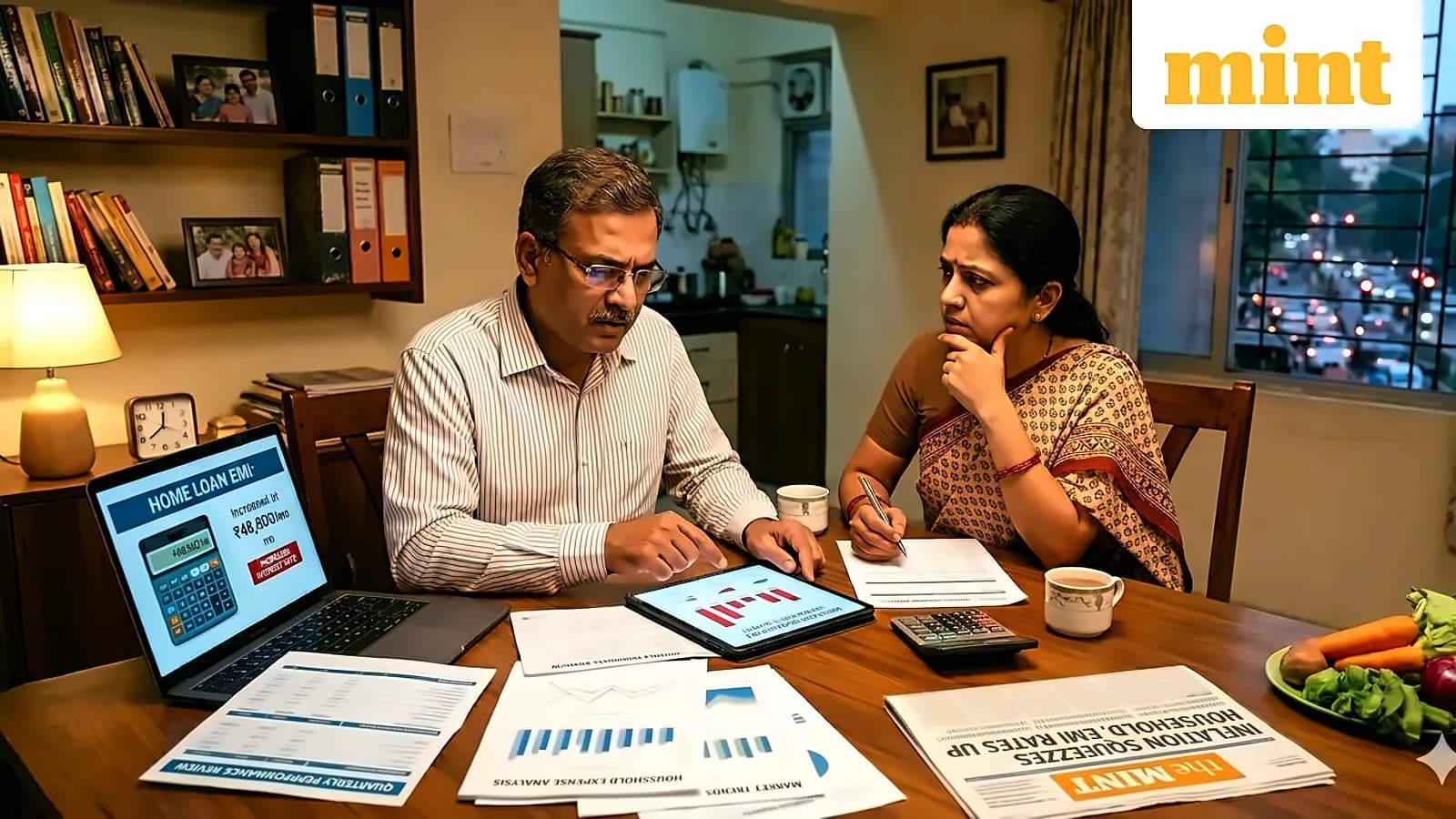
The mid-May 2026 price adjustment saw petrol and diesel prices climb by roughly ₹8 per litre due to global crude volatility, creating immediate pressure on household finances. According to reports from Mint, fuel price shocks ripple through transport, food and household budgets, with a typical urban household spending around ₹5,000 a month on transport and groceries facing compounding increases that can quickly erode savings and investments. While India's current CPI inflation stands at a manageable 3.9%, a sharp rise in fuel inflation driven by geopolitical tensions remains a key risk, with prolonged global oil price spikes potentially adding 10-40 basis points or more to retail inflation through second-round effects. Latest data from the Primerica Household Budget Index (HBI) shows gas prices rose in May, remaining the primary driver of declining purchasing power, though growth slowed month-over-month to 8.6% in May from 11% in April.
The Primerica Household Budget Index (HBI) data reveals the extent of fuel inflation's impact on middle-income families globally. The index is estimated at 98.3% in May, down 1.1% from April and 1.7% from a year ago, indicating the cost of necessity items including food, utilities, gas, auto insurance, and health care for middle-income Americans has increased 6.2% from a year ago. According to Primerica CEO Glenn Williams, while gas prices have been the biggest driver of financial pressure for middle-income families, current indicators point to continued relief at the pump. The Consumer Price Index (CPI) increased 4.2% in May compared to a year ago, with the cost of necessity items driving the overall inflation trend.
As reported by Mint, India has navigated energy-led inflation over the past five decades through different crisis periods. The 1973 OPEC embargo caused global oil prices to quadruple, with India's heavily controlled economy suffering severe stagflation, teaching that rigid financial systems left households highly exposed to supply-side shocks. The 1981-1985 West Asia volatility triggered by the Iranian Revolution forced families into extremely risk-averse lifestyles, while the 1990 Gulf War oil spike became the structural trigger for India's 1991 Balance of Payments crisis. The 2007-2012 commodity supercycle drove Indian CPI inflation close to 12% around 2010-11, highlighting risks of avoiding growth assets during inflationary periods.
According to Mint reports, the underlying structural fabric of the Indian economy has fundamentally transformed with the domestic impact of global oil shocks steadily lessening over time. The defining shift came after 2014 with the RBI's adoption of a flexible inflation-targeting framework, which has significantly reduced damaging second-round effects of oil shocks by anchoring inflation expectations. This framework has made today's price pressures more contained, manageable and short-lived compared to temporary fuel price spikes snowballing into prolonged inflation seen during the 1970s or late 2000s.
As outlined by Mint, families should transition from passive budgeting to active defense strategies. Key recommendations include ruthless budgeting with meticulous cash flow tracking and adapting the classic 50/30/20 rule to prioritize essentials like food and EMIs, logistical optimization through carpooling, public transport, and accelerating shifts to electric mobility, and building inflation-defeating moats with robust 6-to-12-month emergency funds in liquid assets and diversified equity mutual funds via Systematic Investment Plans. The report emphasizes maintaining expense and debt discipline while avoiding high-interest consumer debt and energy-efficient appliances to counter rising utility bills.