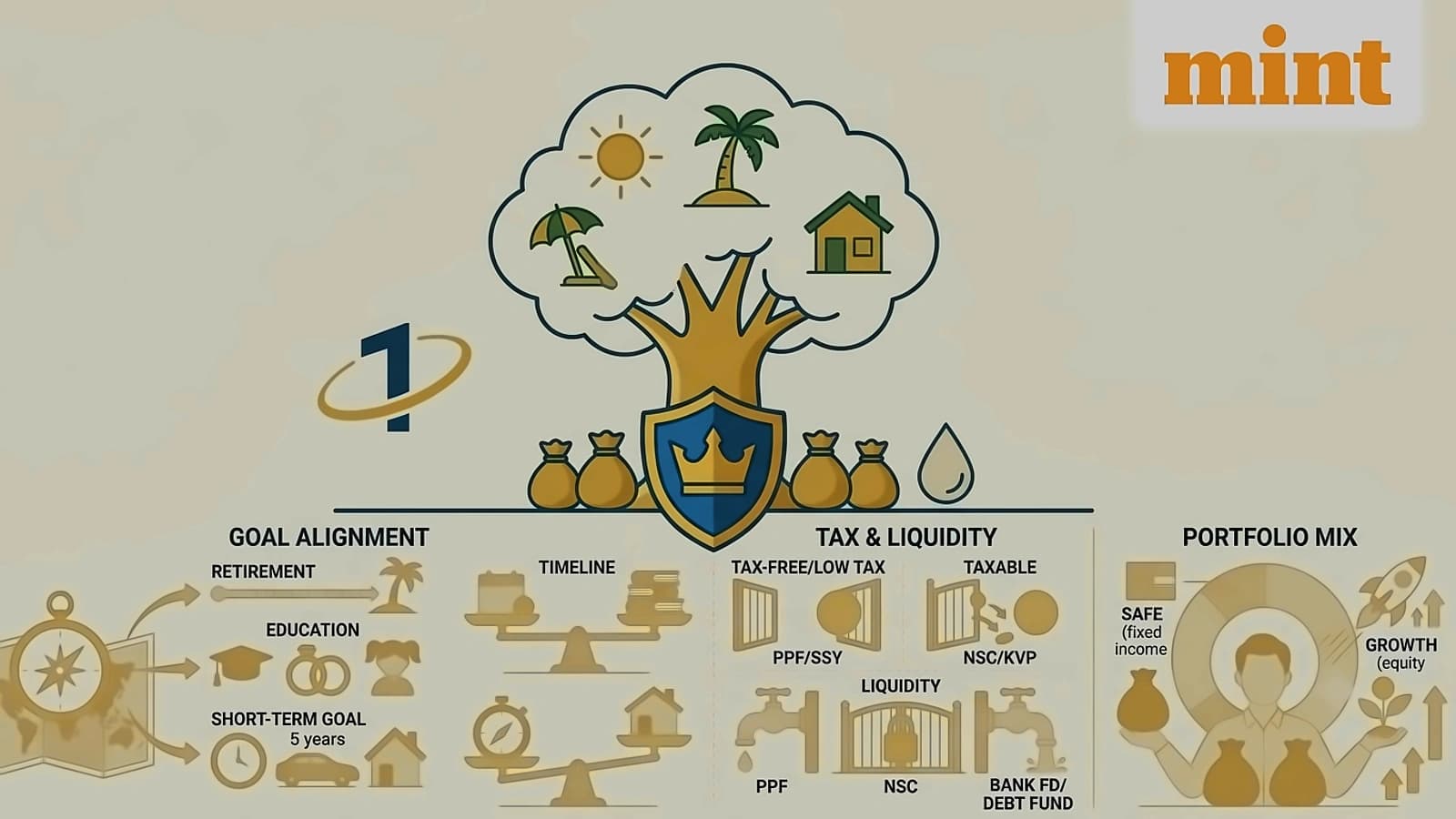
When investing in India, three popular options often compete for investor attention: Fixed Deposits (FDs), Systematic Investment Plans (SIPs), and Voluntary Provident Fund (VPF). According to reports from NDTV Profit, all three serve different purposes and suit different financial goals. Understanding their mechanics and characteristics can help investors choose the most appropriate option for their specific needs. For retirement planning, these options form the foundation of a comprehensive investment strategy, with each serving distinct roles in long-term wealth accumulation.
A Fixed Deposit represents one of the safest investment options offered by banks and financial institutions. As reported by NDTV Profit, FDs involve investing a lump-sum amount for a fixed time period at a pre-decided interest rate. The interest rate depends on the tenure and bank, with the money remaining locked for the chosen period. Example: Investing ₹10 lakh for 15 years at 7.75% interest would result in a maturity amount of ₹30,63,791 with total profit of ₹20,63,791. FDs are popular among Indian investors because they offer guaranteed returns and low risk.
Systematic Investment Plans operate as a method of investing in mutual funds where investors contribute a fixed amount regularly, typically monthly. According to NDTV Profit, instead of putting in a lump sum, SIPs involve investing small amounts over time. Example: Investing ₹10,000 per month for 10 years at an estimated 12% return would total ₹12,00,000 invested with profit of ₹11,23,391, resulting in a total value of ₹23,23,391. SIPs help investors maintain consistent investment regardless of market volatility, though they carry market risk and can potentially offer higher returns over the long term. For retirement planning, experts recommend automating high-percentage SIPs into Nifty 50 + Flexi Cap funds for 20 years as the best move for investors under 40.
Voluntary Provident Fund serves as an extension of the Employee Provident Fund available for salaried individuals. As reported by NDTV Profit, VPF allows employees to contribute more than the mandatory 12% of basic salary and Dearness Allowance. The contribution limit extends up to 100% of basic salary and DA, with the same interest rate as EPF. Example: With a basic salary of ₹50,000 per month and 20% VPF contribution, monthly contributions would be ₹10,000, resulting in ₹18,00,000 invested over 15 years with an approximate maturity value of ₹35,62,389 and total profit of ₹17,62,389. Employers are not required to contribute to VPF since it is completely voluntary, and if an employee completes at least five continuous years of service, the contributions and interest earned are tax-free.
According to Retirement Planning with Stocks India, the optimal retirement strategy involves a comprehensive approach combining multiple investment options. EPF + PPF alone will not be enough due to inflation for most middle-class Indians, making adding equity SIPs essential for building a 25-30 year retirement corpus. The strategy includes a typical debt stack for a 40-year-old: EPF (mandatory base layer), PPF (₹1.5 lakh/year for tax-saving + retirement), NPS Tier 1 (₹50,000/year for extra 80CCD(1B) deduction), and optional gilt or short-term debt mutual funds. About 5 years before retirement, investors should start a glide path gradually moving 5% per year from equity to debt, avoiding moving everything at once to prevent selling-low risk in bear markets. The 4% rule translates to a 3.5-4% safe withdrawal rate for Indian inflation conditions, meaning a ₹5 crore corpus supports ₹17-20 lakh/year of withdrawals indefinitely if invested correctly. For senior couples, experts recommend dividing retirement corpus as 30% in debt mutual funds (3-5 years needs), 25% in hybrid mutual funds (long-term growth), 20% in SCSS with both names, 10% in liquid funds for emergency, 10% in conservative equity mutual funds (optional), and 5% in FD or monthly income scheme. This approach promotes financial equality, avoids future legal complications, and ensures both partners have independent financial growth and access to funds during medical events.