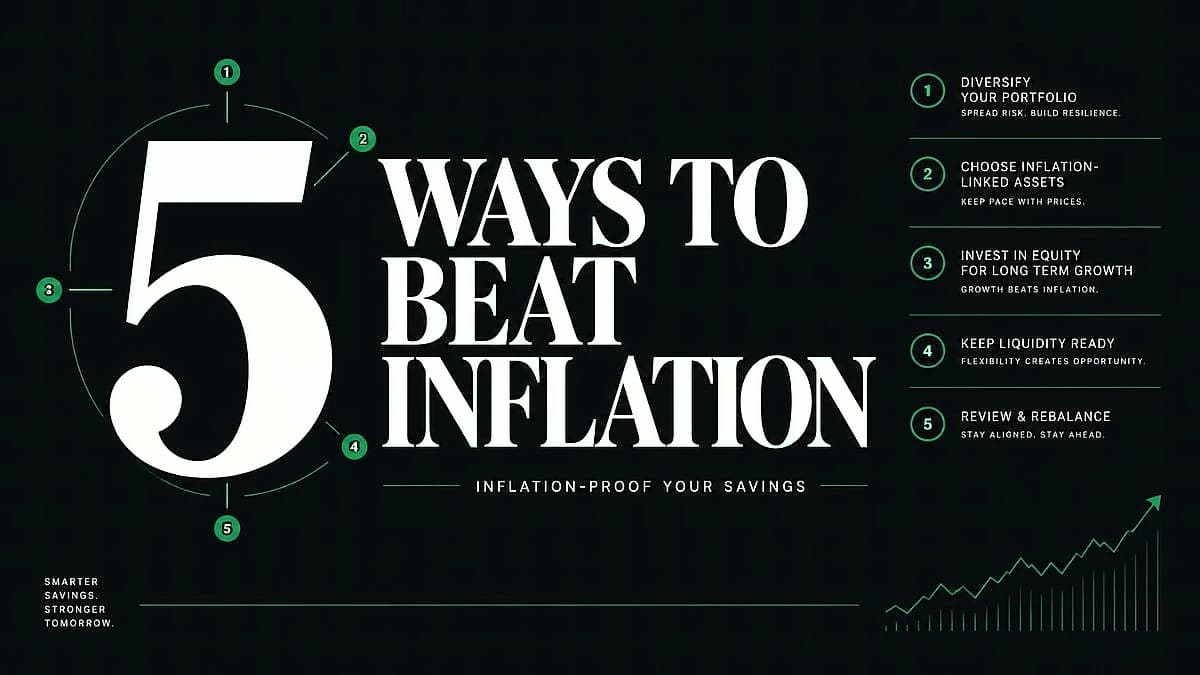
While bear markets tend to be in-your-face events that are predictable to some extent, inflation may not seem like an equally large threat to retirement finances at first. However, the risk is pretty high, especially if you end up living longer, making it crucial to have a strategy for staying ahead of inflation to avoid a cash crunch and depleted nest egg down the line. As reported by recent analysis, over time, the general cost of living is likely to increase, and if your retirement savings can't keep up with inflation, you might slowly lose purchasing power from year to year. The cumulative effect of inflation could be substantial, eventually causing you to run out of savings despite starting with a decent balance in your IRA or 401(k).
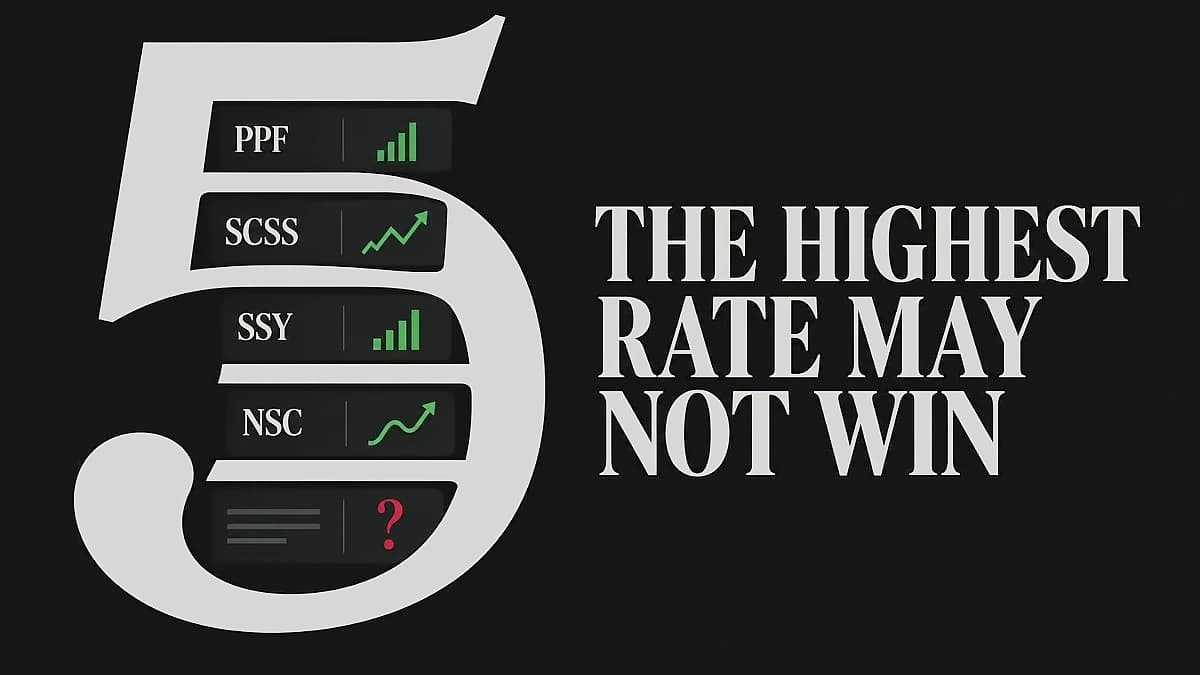
Most investors do not need to hold PPF, NSC, KVP and SSY together, according to financial experts. As reported by Mint, choosing one or two schemes based on goals, tax benefits, returns and liquidity can make a portfolio more efficient. According to Anshi Shrivastava, head of personal finance training at 1 Finance, 'For most investors, one scheme is often enough. But the answer also depends on the problem you are trying to solve.' These government-backed small savings products do not diversify risk like different asset classes, as they largely provide sovereign-backed fixed-income exposure with key differences in purpose, tenure, tax treatment and liquidity. Investing in assets that can beat inflation, like stocks, is generally recommended, though it's generally a good idea to reduce portfolio risk in retirement, so an IRA or 401(k) that's 90% stocks isn't necessarily optimal. You may want to aim for a fairly even stock/bond split so that a portion of your portfolio outpaces rising costs while the remainder provides stability.
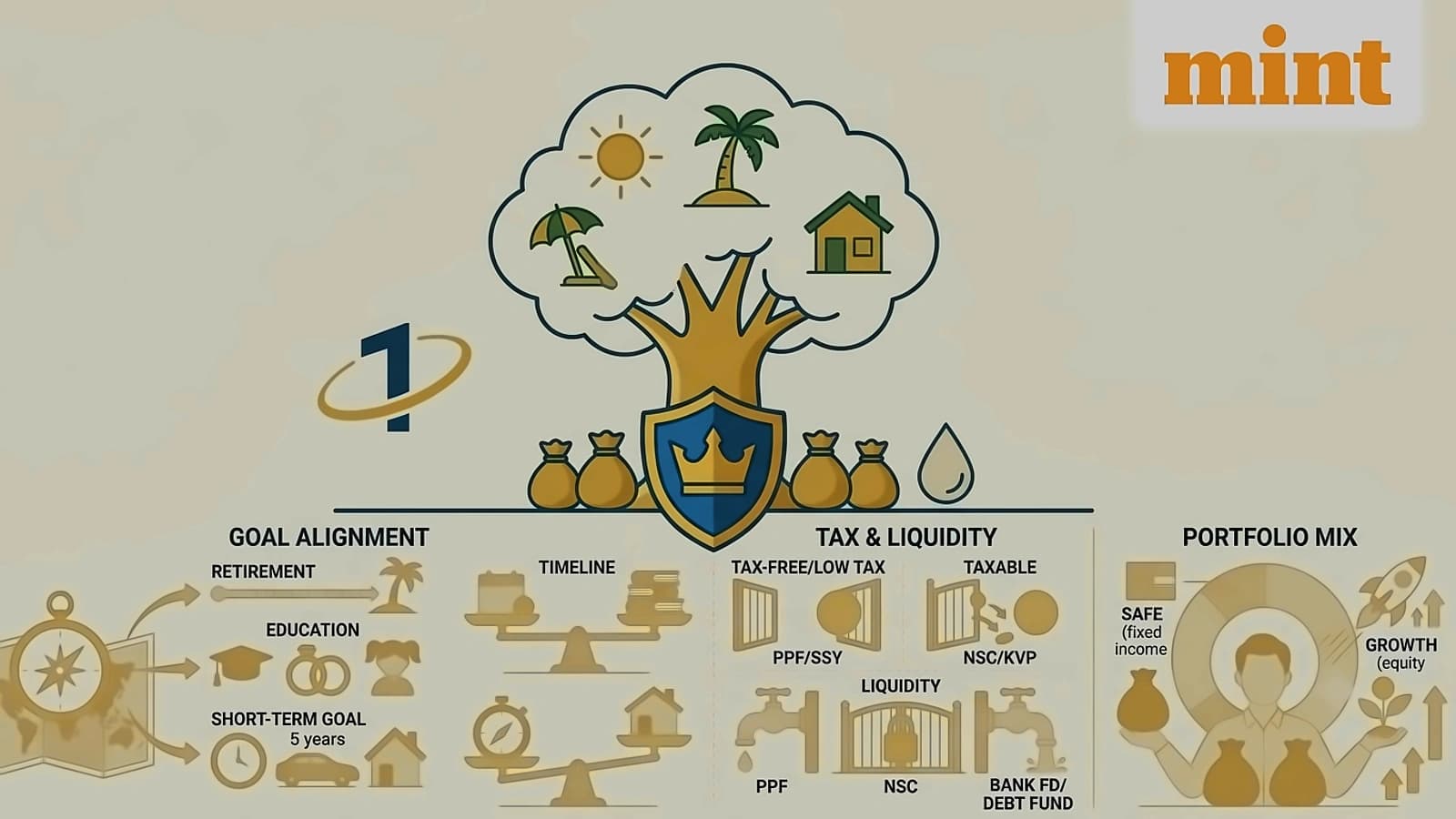
Investors should not start by comparing interest rates but instead ask three critical questions: what is the money for, when will it be needed, and can it remain untouched until then. According to Mint, PPF is best suited to long-term goals such as retirement due to its long tenure and tax-free returns. For young salaried investors, PPF is particularly useful as 'time is your biggest asset, and PPF is built to reward exactly that,' offering tax-free compounding over 15 years and beyond. Sonam Srivastava from Wright Research considers PPF the default choice for most working-age investors, noting that 'the 15-year lock-in can be a feature for someone who is decades away from retirement' as it creates a stable fixed-income component. Consider delaying your Social Security claim for each year you hold off on taking benefits past full retirement age, which is 67 for anyone born in 1960 or later, as your benefits grow 8% until age 70. The reason this works well as an inflation hedge is that Social Security benefits are subject to an automatic cost-of-living adjustment (COLA) each year.
Investors should not choose schemes based solely on advertised interest rates, as 'headline yield is the weakest basis for comparison,' according to Sonam Srivastava. As reported by Mint, investors should compare fixed-income products on taxation, liquidity and safety. PPF and SSY offer tax-free returns, while NSC and KVP have taxable interest. Liquidity is another major differentiator, with PPF allowing partial withdrawal only after the prescribed period, while NSC and KVP are primarily intended to be held until maturity. Shashank Udupa recommends comparing small savings schemes with FDs and debt funds on post-tax return, liquidity, risk and investment horizon rather than just the highest interest rate.
The retirement industry has spent forty years perfecting saving strategies but has almost no infrastructure for converting balances into sustainable paychecks. Industry surveys consistently show that half of retirees have a savings target but fewer than 1 in 5 have a withdrawal plan, creating a critical gap in financial planning. The decisions made in the first few years of withdrawal can determine whether retirement savings last a lifetime or run out prematurely. Sequence of returns risk is the primary concern, where retirees with identical average returns can end up in very different financial positions depending on when market downturns occur. With the current I Bond composite rate of 4.3% and personal savings rate at 2.8% in Q2 2026, most households aren't building reserves at the pace needed for retirement security. Even with smart planning, your savings could eventually run out, so boosting Social Security benefits is a great way to buy yourself more financial protection for the long haul.
SSY is the clearest exception because it serves a distinct goal of saving for an eligible girl child's future, according to financial experts. As reported by Mint, 'PPF could fund a parent's retirement while SSY is used for a daughter's future,' making both schemes useful in the same household. NSC may be more appropriate for investors with a defined five-year goal and offers a government-backed fixed return with tax deduction under section 80C. KVP suits investors who have exhausted their 80C limit and want predictable lump sum returns over a fixed period. For young investors, there is a limit to how much should go into small savings products, as 'PPF should not come at the cost of maintaining an emergency fund or investing for growth through equities,' according to Udupa.