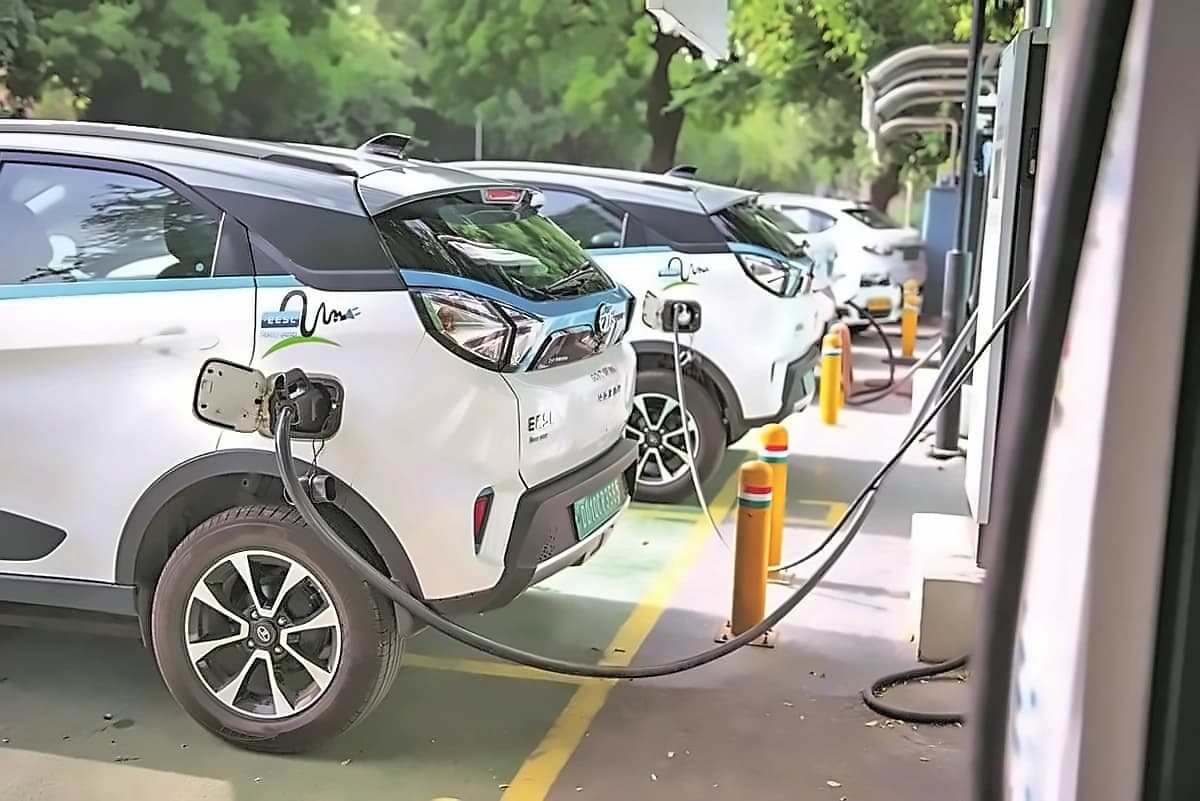
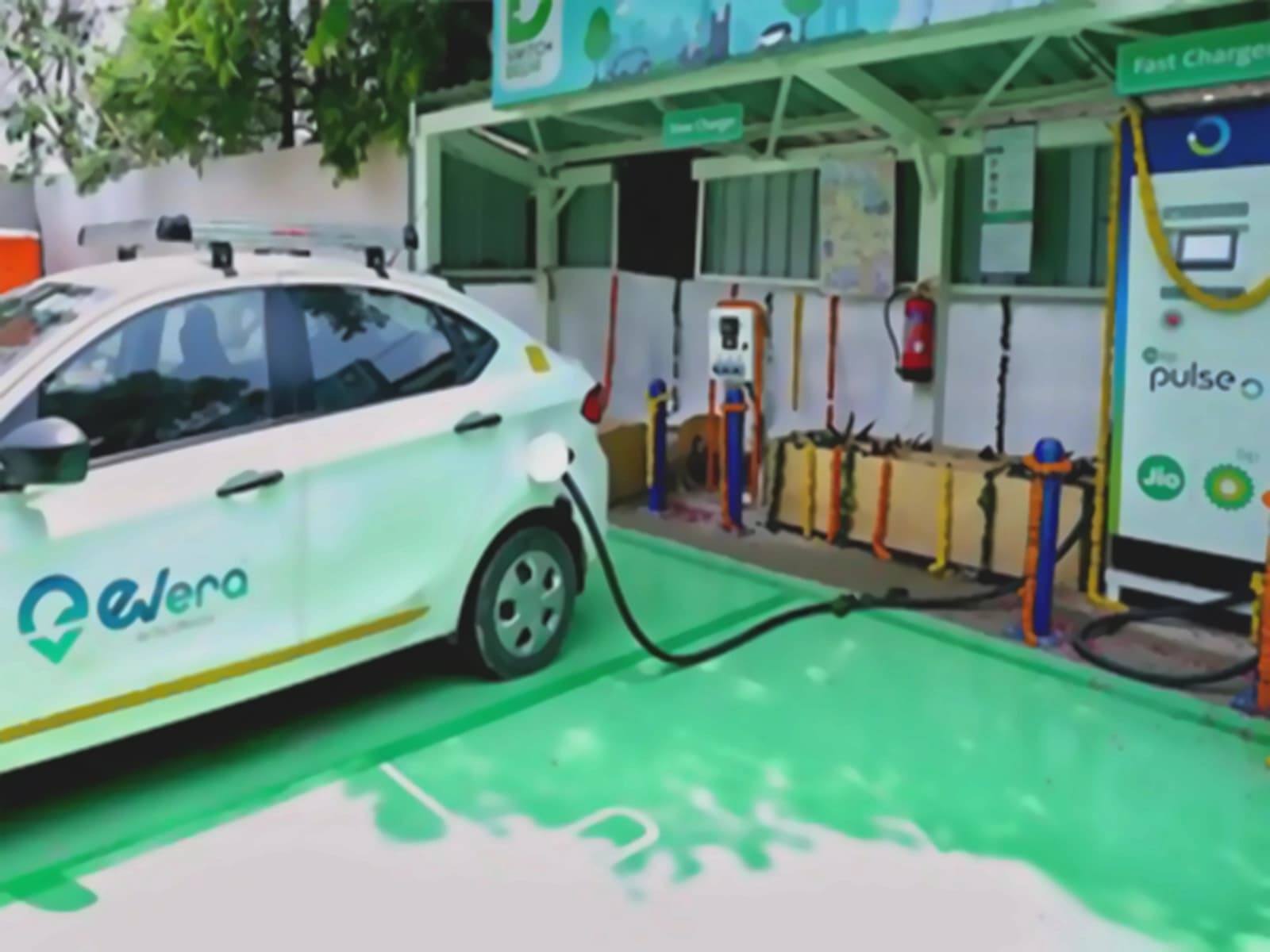
India's electric vehicle market is experiencing unprecedented growth, with EV sales rising 46-fold from about 50,000 units in 2016 to 2.3 million units in 2025. According to government data, the market is projected to reach $191.04 billion by 2034 at a CAGR of 54.94 per cent. India's growth has significantly outpaced global trends, where EV sales increased roughly 20 times from 9.18 lakh in 2016 to 18.78 million in 2024. The country aims for 30 per cent of all vehicle sales to be electric by 2030 and plans 1.32 million charging stations by 2030 to strengthen the ecosystem.
India's EV penetration has increased from about one-fifth of global levels in 2020 to over two-fifth in 2024, with much of the growth driven by motorised two-wheelers (12.8 lakh units) and three-wheelers (8 lakh units) sold in 2025. According to Bharat Heavy Electricals Limited (BHEL), 16,561 of the 52,718 public charging stations available as of July 2026 are equipped with fast EV charging facilities. However, EV owners cannot solely depend on the public charging network for daily use, making home installation essential.
An EV charger load management system combines measurement, control logic, communications, and charger settings to keep EV charging within a defined site limit. The system may be built into the charger, delivered by a separate energy-management controller, or coordinated through a charging-management platform. Cost depends on charger count, meter or CT hardware, controller architecture, wiring distance, electrical work, software, commissioning, support, and expansion requirements. A qualified installer should compare the managed-charging calculation with the panel-upgrade option before equipment is ordered, as the best charger matches the site's electrical measurement, control, operating, and support requirements.
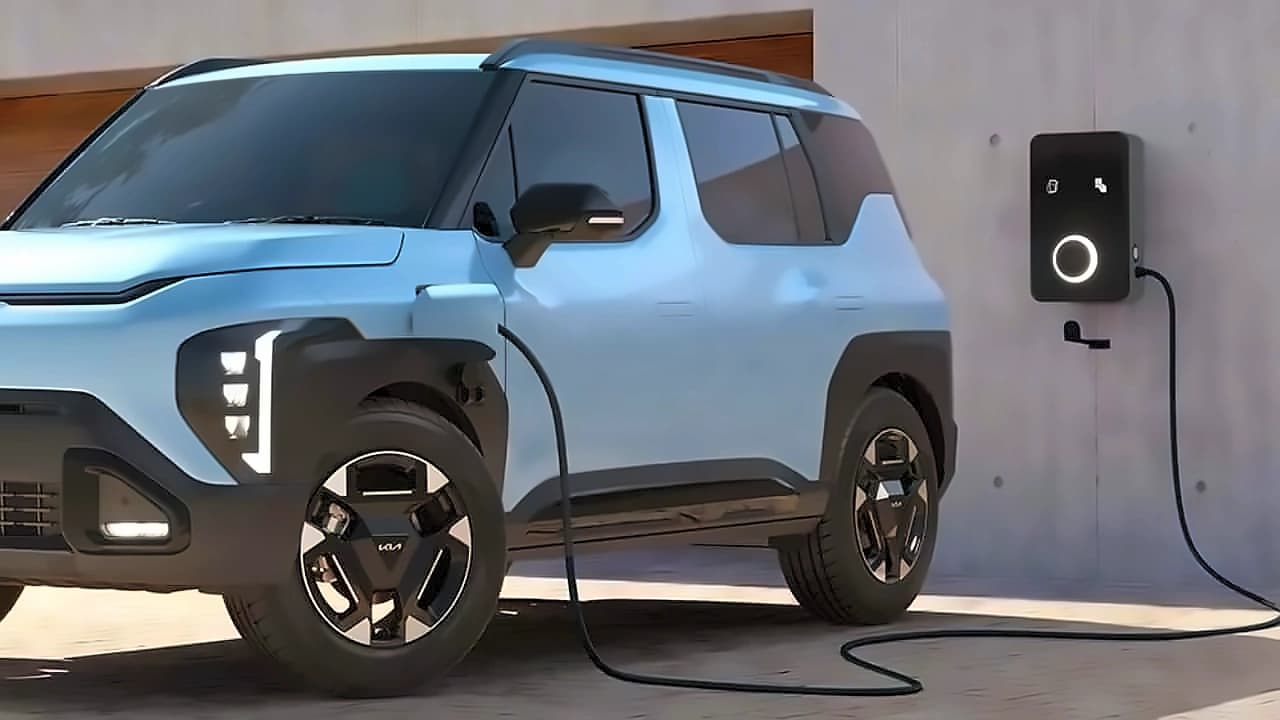
Static load management uses a fixed configuration with charger telemetry or a defined group limit, usually simpler when the EV limit is known and requires compatible sensing, communications, and defined sensor location. Dynamic load management responds to live meter or CT data plus charger status, best for homes and buildings with changing loads, multi-charger sites, and constrained services. Dynamic control can reduce or increase EV charging when the measured protected load changes, while static management may require manual reconfiguration when chargers are added. The choice depends on how much the site's non-EV demand varies and how many chargers share the available capacity.
Before approving a load-management system, buyers should verify the protected electrical limit, exact compatibility with charger, meter or CT, controller, phase setup, communications, fallback behavior, allocation rules, commissioning tests, and future expansion. Do not treat a load-management quote as permission to exceed the existing electrical design - the installer must establish the protected limit and document what the controller is responsible for. The compatibility review should answer whether the charger can accept a safe changing current limit, if the meter or CT setup can see the protected load accurately, and whether the proposed control method satisfies local electrical requirements or utility conditions.