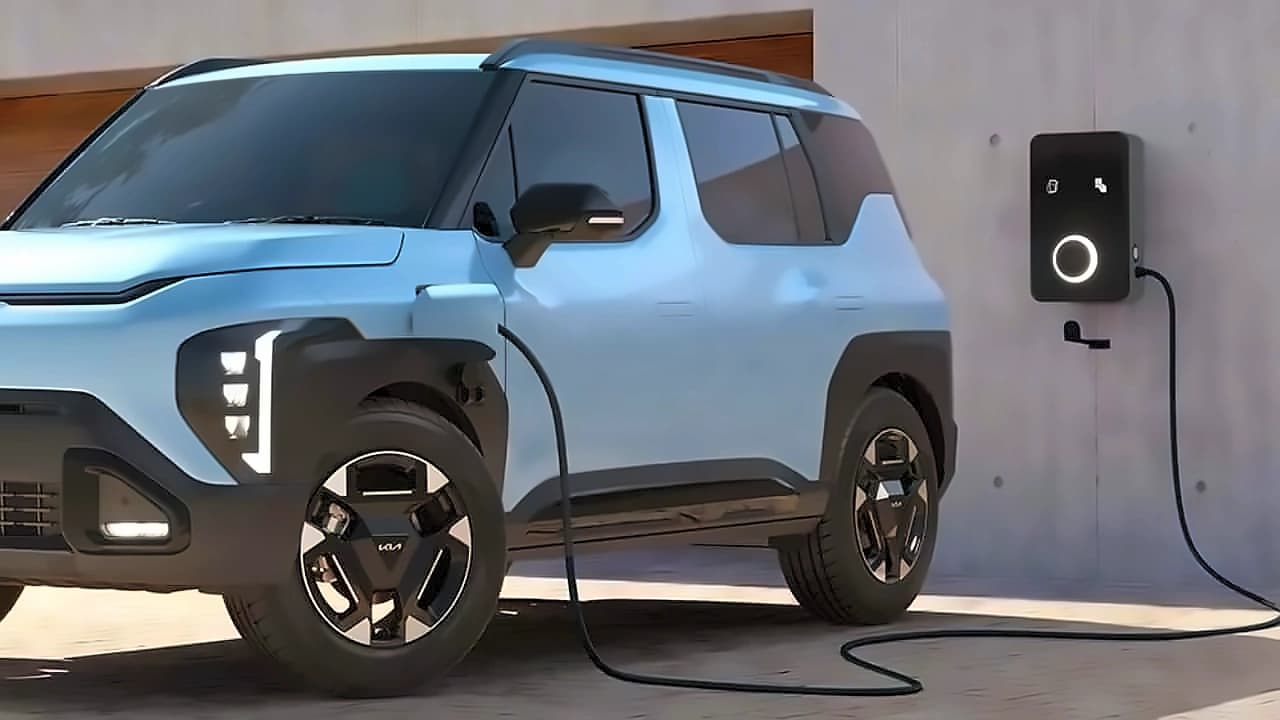
The global EV market is experiencing a significant divergence in pricing strategies, with some markets offering remarkably affordable options while others face rising costs. In the United States, fewer than 5% of new vehicles sold last year cost $25,000 or less, according to Edmunds analysis, with the average transaction price climbing to $48,402. This contrasts sharply with China, where shoppers can choose from more than 200 EVs and hybrids priced below $25,000, with some selling for as little as $10,000. The affordability gap is even more pronounced when comparing to BYD, the Chinese automaker that now makes more EVs than Tesla, offering premium vehicles for less than $15,000 with ranges of up to 314 miles. Despite tariffs, Chinese-made vehicles accounted for about 20% of December new-car sales in the United Kingdom and 6.4% of the European Union market last year.
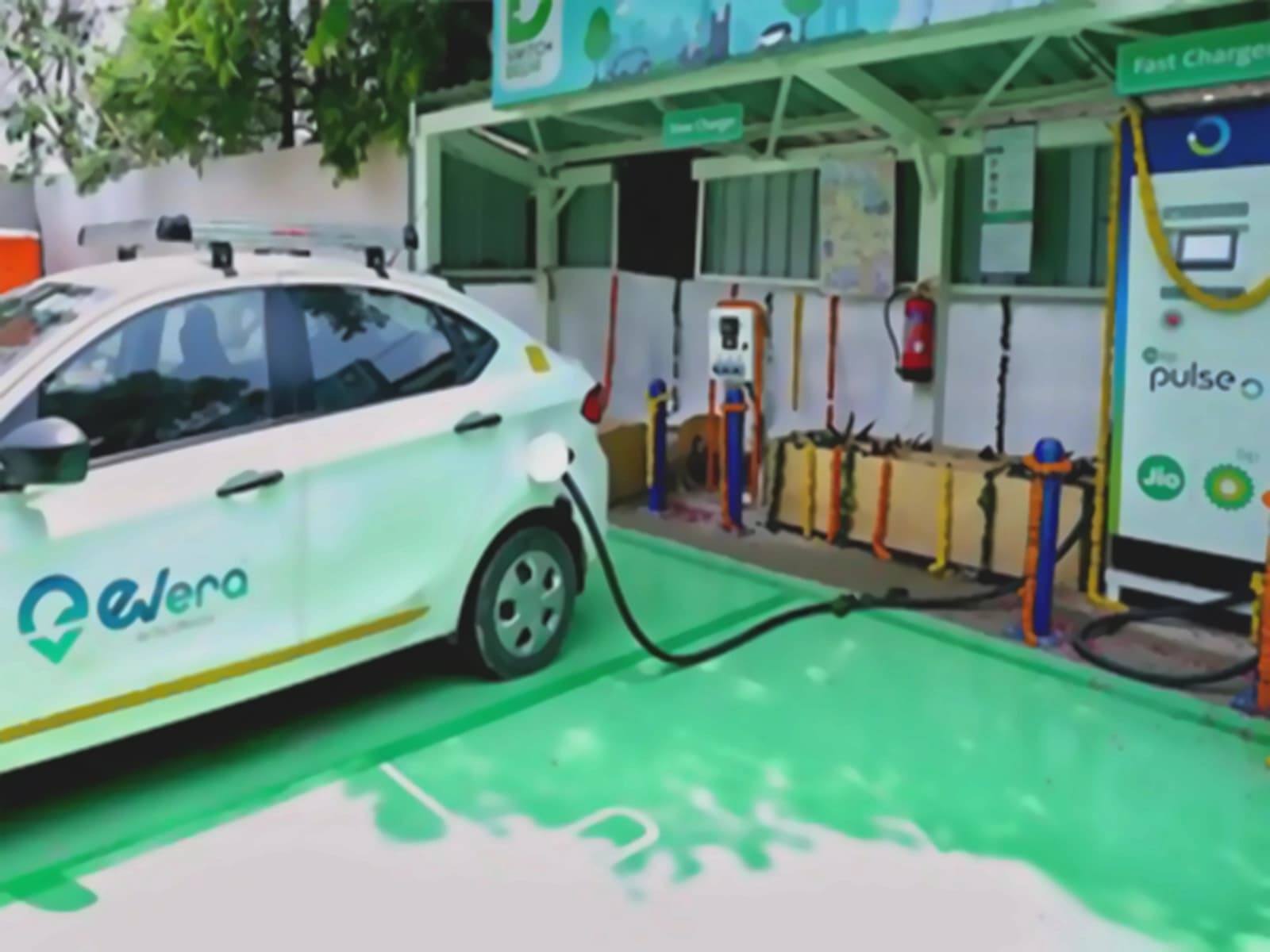
Battery-as-a-Service (BaaS) is transforming India's EV market with significant upfront savings, as reported by The Times of India. A Tata Punch EV priced at ₹9.7 lakh can be driven home for ₹6.5 lakh under a battery financing plan. Hyundai's Creta Electric falls from ₹18 lakh to ₹11 lakh, while Maruti's Grand Vitara EV becomes cheaper by almost ₹8 lakh upfront. These headline reductions are turning BaaS into a powerful sales tool, but the economics become more complex when considering recurring costs over the vehicle's lifetime.
Current BaaS plans charge between ₹2.3 to ₹5 per km depending on the model, according to The Times of India reports. A driver covering 15,000 km annually under a ₹4-per-km plan would pay about ₹60,000 a year, or roughly ₹3 lakh over five years before taxes, escalation clauses or financing charges. Citroen's eC3X requires payment for at least 2,000 km every month, translating into a battery bill of about ₹4,520 even if actual usage is lower. Maruti Suzuki's e Vitara has a disclosed minimum of 1,800 km per month, resulting in a minimum monthly battery charge of around ₹7,200.
JSW MG Motor India reports that BaaS accounts for 12-15% of their overall EV sales, as stated by MD Anurag Mehrotra to The Times of India. The model is available across their MG EV portfolio, with the Windsor EV being the first to introduce BaaS in 2024. For customers driving 60 km a day, the monthly saving can exceed ₹5,500. Over five-to-eight years, these savings can add up to ₹3-5 lakh, according to MG's calculations. The affordability gap is particularly evident when comparing to the Slate Auto's new $24,950 electric pickup, which is getting noticed largely because such a low-priced new vehicle has become unusual in the United States.
Carmakers view BaaS primarily as a financing innovation that makes EVs more accessible, as reported by The Times of India. Tata Motors describes BaaS as 'primarily a financing tool, not a mobility service' that reduces upfront acquisition costs. However, the company acknowledges that most customers prefer outright ownership of their EVs. JSW MG Motor's Windsor BaaS model charges ₹4 per km for battery usage and roughly ₹1 per km for charging, taking the total running cost to about ₹5 per km. The contrast with global markets is stark, as more affordable EVs could help more families clear the biggest hurdle in buying a new car — the upfront price while still providing access to lower fuel and maintenance costs.